

Top 10 Dog Surgery Facts Every Pet Owner Should Know?

When it comes to dog surgery, many pet owners are filled with questions and concerns. Understanding the process and its implications can be daunting. This introduction aims to shed light on crucial facts that every pet owner should be aware of. With the rise of advanced veterinary techniques, dog surgeries can often be life-saving. However, this comes with responsibilities and considerations that are essential for the well-being of our furry friends.

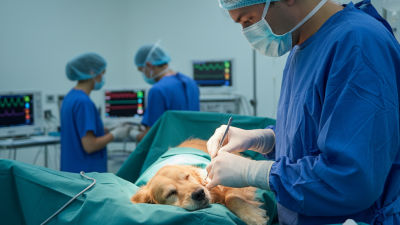
Many pets undergo surgical procedures due to accidents or health conditions. Owners must learn about pre-surgery preparations and potential risks. Being informed can minimize anxiety. Each surgery is unique, and outcomes vary. Engaging with your veterinarian can provide clarity on what to expect. It’s vital to ask questions about anesthesia and recovery. Sometimes, we overlook the small details, but they can be significant.

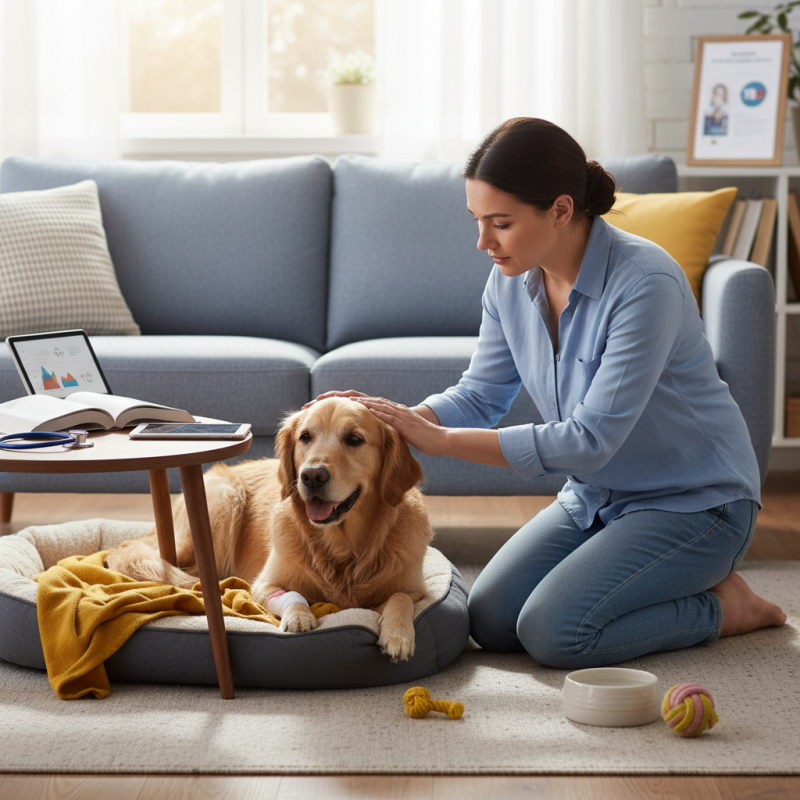
Planning for post-surgery care is equally important. A comfortable recovery environment plays a crucial role. Monitor your dog’s behavior closely after surgery. If things don’t seem right, don’t hesitate to seek professional advice. Time invested in understanding dog surgery can lead to better health outcomes. Your dog's recovery journey starts with your knowledge and proactive approach.

Top 10 Dog Surgery Facts Every Pet Owner Should Know?

Understanding Common Types of Dog Surgeries and Their Purposes

Understanding common types of dog surgeries can empower pet owners. Surgical procedures in dogs are more prevalent than many realize. According to the American Veterinary Medical Association, approximately 60% of dogs will undergo at least one surgical intervention in their lifetime.

Spaying and neutering are among the most common surgeries. These procedures help to control the pet population and reduce certain health risks. For instance, spaying can prevent uterine infections and breast tumors, which affects about 25% of unspayed dogs. Another routine operation is the dental procedure. Dental disease is prevalent, affecting nearly 80% of dogs over three years old. Regular dental cleanings can help avoid more serious health issues down the line.

Fractures account for a significant number of orthopedic surgeries in dogs. Whether from accidents or natural wear, broken bones often require surgical fixation. Likewise, tumors may necessitate surgical removal. Statistics show that about 1 in 4 dogs will develop cancer at some point in their lives. Owners must understand these risks and remain vigilant regarding their pets' health. Proper knowledge allows for informed decisions and better chances for recovery. Every surgery carries risks, and each case is unique.

Factors Influencing the Need for Surgery in Dogs

When it comes to dog surgery, understanding the factors that influence the need for such procedures is essential for all pet owners. Various medical conditions can necessitate surgery. Traumatic injuries, genetic disorders, and age-related issues frequently lead to surgical intervention. For instance, a dog may suffer from ligament tears, particularly in active breeds. This can result in pain and mobility challenges. Owners should monitor their pets for signs of distress or difficulty in movement.

Moreover, lifestyle factors contribute to a dog's surgical needs. Obesity is a significant issue that increases the risk of various health problems, making surgeries more common. Regular veterinary check-ups can help identify issues early. However, many owners delay these visits, leading to more severe conditions requiring urgent surgery. Each dog's environment and family history also play a role in determining potential surgical needs. Owners should be aware of their dog's background and health challenges.

In some cases, the decision to proceed with surgery can be complex. Pet owners may grapple with the risks versus benefits of the procedure. Emotional ties can cloud judgment. Understanding the medical necessity behind surgeries may require honest conversations with veterinarians. This balance between emotion and facts is crucial for making informed decisions.

Top 10 Factors Influencing the Need for Surgery in Dogs

Pre-Surgery Preparations for Your Dog’s Well-Being

Top 10 Dog Surgery Facts Every Pet Owner Should Know?

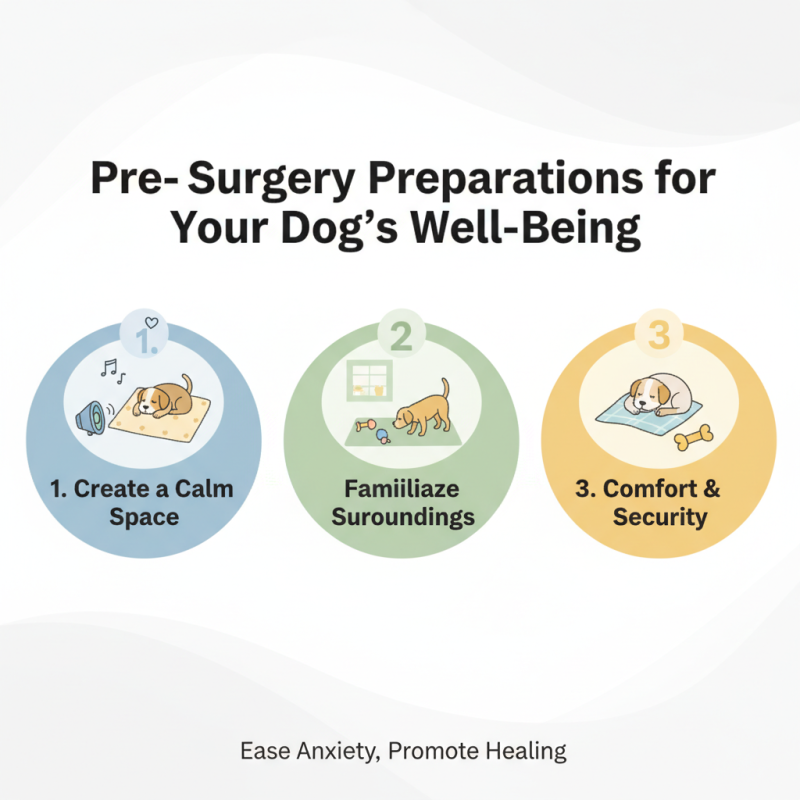
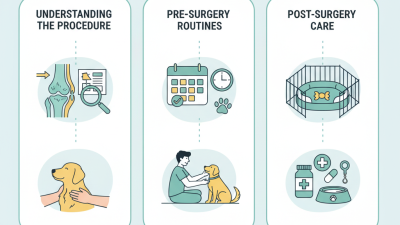
Preparing your dog for surgery requires thoughtful steps. Before the procedure, establish a comfortable environment. Ensure your pet is familiar with their surroundings. A calm space helps alleviate anxiety. Play soothing music or provide a favorite blanket. This can ease their stress levels.

Communicate with your veterinarian about pre-surgery requirements. Fasting is often necessary; dogs may need to skip meals the night before. Be aware of any medications your dog currently takes. Some may need to be paused before surgery. Discuss these details with your vet.

Post-surgery care is crucial too. Plan for recovery time at home. Keep your dog quiet and limit activity. Pain management is essential; follow your vet's instructions carefully. Sometimes, pets may show signs of discomfort that require attention. Ensure you’re prepared for those moments. Engaging your dog’s senses with gentle care can aid their healing process. It's a shared journey that requires compassion and patience.

Post-Surgery Care: What to Expect and How to Help Your Dog

Post-surgery care is crucial for your dog's recovery. After surgery, your dog may experience pain and discomfort. Most vets recommend a quiet space for healing. Monitoring your pet closely during this time is essential. About 30% of dogs show signs of anxiety after surgery, which can affect their recovery.

Proper pain management is key. According to the American Veterinary Medical Association, pain control improves recovery outcomes by nearly 50%. Regularly check the surgical site for swelling or unusual discharge. Keep your dog from licking the area to prevent infections. You may need to use an Elizabethan collar or alternative methods to protect the wound.

Rehabilitation can also be beneficial. Engaging in gentle physical therapy can speed up healing. Reports indicate that structured exercise can reduce recovery time by up to 40%. Remember, each dog is unique and may react differently to surgery. Consulting your vet about your dog's specific needs can guide you in providing the best care possible. Following your vet’s instructions is vital in ensuring a smooth recovery.

Recognizing Signs of Complications After Dog Surgery

Top 10 Dog Surgery Facts Every Pet Owner Should Know?

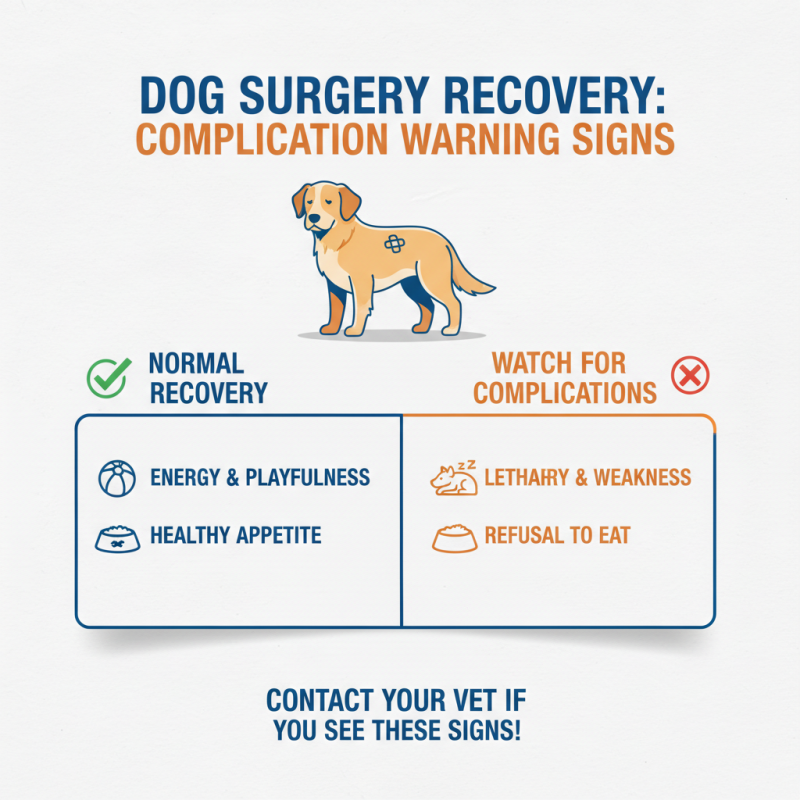
After your dog undergoes surgery, it's crucial to recognize signs of complications. Watch for unusual behavior after bringing them home. If your dog seems lethargic or refuses to eat, these could be warning signs. Dogs typically recover with energy and appetite. If they don’t, it might indicate a problem.

Keep an eye on your dog’s incision site. Look for excessive swelling, redness, or discharge. This could signal an infection. Your vet should be informed if you notice any of these issues. Pain is another factor. If your dog continues to whine or yelp when touched, it might need immediate attention. Some dogs react differently to anesthesia. Monitor their reactions closely.

Vomiting or diarrhea can also be concerns post-surgery. These symptoms can lead to dehydration. If these occur, consult your vet for advice. Remember, every dog responds uniquely after surgery. Being vigilant helps ensure your furry friend gets the necessary care. Trust your instincts and never hesitate to reach out for support.