2026 Best At Home Vet Services for Pets?

Choosing the best at home vet service in 2026 requires more than comparing prices or downloading an attractive app. Pet owners need qualified veterinarians, transparent credentials, clear emergency guidance, and reliable follow-up care. A trusted provider should explain examination fees before arrival, bring essential diagnostic equipment, and document every treatment carefully. Look for licensed professionals with verifiable experience, strong clinical reviews, and secure medical records. Convenience matters, but safety matters more.

Dr. Dani McVety, a veterinarian and co-founder of Lap of Love Veterinary Hospice, has said, “The goal is not to add days to life, but life to days.” Her words reflect an important strength of at home vet care: familiar surroundings can reduce travel stress and support calmer conversations. A veterinarian examining a senior dog beside its favorite blanket may notice comfort changes that are easy to miss in a rushed clinic visit. Still, home care is not perfect. Some pets need advanced imaging, surgery, oxygen support, or immediate hospitalization. A responsible service must say this plainly.

This guide examines leading at home vet options for 2026. It considers preventive visits, urgent appointments, chronic-condition management, hospice support, coverage areas, pricing, and response times. It also questions marketing claims. Not every glowing review proves excellent medicine. The best choice should fit your pet’s symptoms, temperament, age, and medical history. Availability can change quickly, especially during evenings and holidays. Check local licensing and emergency protocols before booking. Your pet deserves comfort, but also competent care.

2026 Best At Home Vet Services for Pets?

What Are At-Home Veterinary Services for Pets?

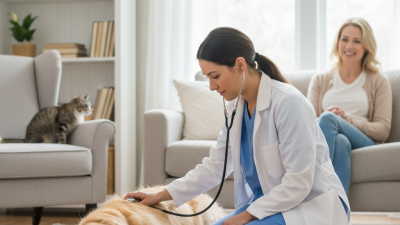
At-home veterinary services bring a licensed veterinarian to your pet’s familiar surroundings. Care may include wellness exams, vaccinations, nutrition advice, basic diagnostics, medication reviews, and chronic-condition monitoring. The veterinarian observes practical details, such as a dog’s movement across the living room or a cat hiding under a bed. These details can reveal stress that clinic visits sometimes conceal.

Demand is understandable. The American Pet Products Association’s 2023–2024 National Pet Owners Survey reported that 66% of U.S. households owned a pet. That large population needs flexible care. At-home visits can reduce travel stress, help multi-pet households, and support older animals with limited mobility. The American Veterinary Medical Association also treats preventive examinations, vaccination planning, and professional referrals as core veterinary responsibilities. Convenience does not remove the need for medical judgment.

Some limits remain. A home visit cannot replace emergency imaging, surgery, oxygen support, or intensive monitoring. The veterinarian may recommend immediate hospital care after examining the pet. Service quality can also vary by location, equipment, and appointment availability. It is not magic. Pet owners should verify the clinician’s license, ask about emergency procedures, and prepare complete medication records. The model is not flawless, either. A calm home setting may hide symptoms, while limited equipment can delay answers. Careful observation, honest communication, and follow-up remain essential.

How Do Mobile Veterinarians Provide In-Home Pet Care?

Mobile veterinarians bring clinical care to the pet’s familiar environment. They begin with a remote triage call, then review medical history, medications, and current symptoms. During the visit, they examine the pet on a quiet floor or beside its usual bed. They may collect blood, urine, or skin samples. Some teams perform basic imaging, administer vaccines, and create treatment plans at home. Serious cases still require referral to a fully equipped hospital. Home care is useful, but it is not magic.

The 2022 American Veterinary Medical Association Pet Ownership and Demographics Sourcebook reported that about 66% of U.S. households owned a pet. The 2023–2024 National Pet Owners Survey also estimated 86.9 million households had pets. These figures show why accessible veterinary care matters. In-home visits can reduce travel stress, especially for older animals, anxious cats, and multi-pet households. A veterinarian can also observe the pet’s stairs, sleeping area, food bowls, and daily routine. Those details may expose risks that a clinic visit misses. Still, home settings can limit diagnostics. That limitation deserves honest discussion.

Tips: Prepare a quiet examination space before arrival. Keep vaccination records and medication labels nearby. Note changes in appetite, water intake, breathing, stool, and movement. Ask which tests are available at home and when referral is necessary. A written follow-up plan prevents confusion. Mobile care feels personal, yet communication can still be imperfect. Clear questions help.

2026 Best At Home Vet Services for Pets? - How Do Mobile Veterinarians Provide In-Home Pet Care?

A practical comparison of common in-home veterinary services, what they include, and when each option is appropriate.

In-Home Service Commonly Suitable For Typical Care Provided at Home Approximate Visit Time Common U.S. Planning Range* When a Mobile Veterinarian May Recommend a Clinic or Hospital
Wellness Examination Dogs Cats Senior pets Physical examination, weight monitoring, heart and lung assessment, dental observation, lifestyle review, and preventive-care planning. 30–60 minutes $75–$200 for the examination, before additional services Advanced imaging, surgery, hospitalization, or laboratory equipment unavailable in the home is required.
Vaccinations and Preventive Care Puppies Kittens Adult pets Multi-pet households Vaccination review and administration, parasite-prevention discussion, microchip placement where available, and preventive-care reminders. 20–45 minutes $25–$60 per vaccine, plus the examination or house-call fee A pet has a serious previous vaccine reaction, is acutely ill, or needs observation beyond the provider’s home-visit capability.
Sick-Pet Consultation Minor illness Skin problems Digestive concerns Mobility changes History-taking, physical examination, basic diagnostics when available, medication review, and a treatment or monitoring plan. 30–60 minutes $100–$250, excluding tests and medications Breathing difficulty, uncontrolled bleeding, collapse, suspected poisoning, severe trauma, repeated seizures, or other life-threatening signs are present.
Senior-Pet and Chronic-Care Monitoring Older pets Arthritis Kidney disease Diabetes Medication review, quality-of-life assessment, pain evaluation, mobility discussion, nutrition guidance, and scheduled follow-up visits. 30–60 minutes $100–$250 per visit, excluding laboratory testing The pet needs continuous monitoring, intravenous treatment, advanced diagnostics, or specialist management.
In-Home Laboratory Sample Collection Anxious pets Mobility-limited pets Routine monitoring Blood, urine, fecal, or other sample collection at home, followed by testing through an appropriate veterinary laboratory. 15–40 minutes $30–$100 for collection, plus laboratory fees A pet is unstable, requires same-day advanced testing, or needs procedures that cannot be safely completed at home.
Behavior and Environmental Consultation Fearful pets Aggression concerns House-soiling Separation issues Observation of the home environment, behavior history, medical screening, safety recommendations, and a written behavior plan. 45–90 minutes $150–$350 for an initial consultation A serious medical condition, immediate safety risk, or need for a board-certified veterinary behaviorist is identified.
Minor Procedures and Wound Care Bandage changes Minor wound checks Nail care Basic dermatology care Wound assessment, bandage replacement, superficial skin care, medication administration, and post-treatment instructions. 20–60 minutes $100–$300, depending on the procedure and supplies Deep wounds, abscesses, significant pain, suspected fractures, heavy infection, or a need for sedation or surgery is present.
End-of-Life and Hospice Support Terminal illness Pain management Comfort-focused care Quality-of-life evaluation, comfort-care planning, pain assessment, family guidance, and euthanasia when medically appropriate and legally available. 45–90 minutes $250–$600, excluding aftercare choices The pet requires emergency stabilization, intensive pain control, or immediate medical intervention unavailable in the home.
Post-Operative Follow-Up Recovering pets Restricted mobility Stress-sensitive pets Incision inspection, medication review, appetite and activity assessment, bandage evaluation, and recovery guidance. 20–45 minutes $75–$200, excluding additional treatment The incision is opening, severe swelling or discharge occurs, pain is uncontrolled, or complications require surgical evaluation.

*Price ranges are broad U.S. planning estimates for 2026 and may vary substantially by location, travel distance, appointment type, species, diagnostics, medications, after-hours availability, and local regulations. Mobile veterinary care is generally intended for scheduled examinations and selected procedures; life-threatening emergencies should be directed to the nearest emergency veterinary hospital.

Which Pet Health Needs Can Be Treated at Home?

At-home veterinary care can address many routine and non-emergency health needs. A veterinarian may examine skin irritation, ear discomfort, minor wounds, and mild digestive changes. They can also provide vaccinations, parasite prevention, nail trims, and dental assessments. Older pets often benefit from mobility checks in familiar surroundings. The floor, stairs, and sleeping area reveal problems a clinic visit may hide.

Home visits can support chronic disease monitoring, including weight checks and medication reviews. Vets may collect blood or urine samples when proper equipment is available. They can discuss nutrition, arthritis support, anxiety, and end-of-life comfort. A quiet room often helps nervous cats and dogs cooperate more safely. Still, home care has limits.

Not every visit works perfectly. Some pets hide, resist handling, or become protective near family members. A veterinarian may need another plan after assessing the animal. Breathing trouble, uncontrolled bleeding, repeated seizures, poisoning, collapse, or severe pain require urgent clinic care. Home treatment should never delay emergency evaluation. Keep recent medical records, current medications, and clear notes about appetite, water intake, vomiting, stool, and behavior. Small details can change the medical decision.

How to Compare the Best At-Home Vet Services in 2026?

2026 Best At Home Vet Services for Pets?

How to Compare the Best At-Home Vet Services in 2026?

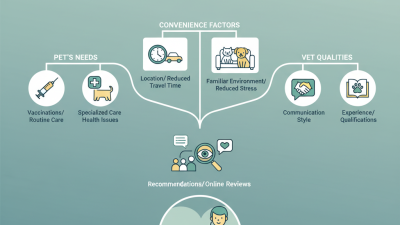
Choosing an at-home veterinarian requires more than checking appointment speed. The 2023–2024 APPA National Pet Owners Survey reported that 66% of U.S. households owned a pet. That scale suggests growing demand, but popularity does not prove medical quality.

Check whether each veterinarian holds a valid local license and provides clear clinician credentials. Ask which services occur at home, such as physical exams, vaccinations, blood collection, pain management, or end-of-life care. Some cases still require hospital imaging or surgery. Honest limits matter.

Review travel fees, medication costs, cancellation rules, and after-hours support before booking. The 2024 AAHA State of the Industry Report highlights staffing pressure and access challenges across veterinary care. A service with realistic scheduling may be safer than one promising instant visits. Small detail. Ask how records reach your regular clinic.

The best comparison also considers clinical continuity. Can the same veterinarian return for follow-up? Are laboratory results explained by a licensed professional? Does the service provide a written care plan? The CDC and veterinary public-health guidance emphasize accurate vaccination records and disease prevention, especially for animals travelling or meeting other pets.

I would not trust polished reviews alone. Reviews can miss delayed diagnoses, weak emergency planning, or poor communication. Request references only when appropriate, verify credentials independently, and keep a nearby hospital’s number available. Convenience helps anxious pets, but it should never replace appropriate escalation.

What Should Pet Owners Expect During a Home Visit?

A home veterinary visit should feel calm, practical, and carefully organized. Before arrival, the veterinarian usually reviews your pet’s history, current medications, and reason for the appointment. Keep vaccination records nearby, even if some details seem minor. Small clues matter.

During the visit, expect a quiet examination in a familiar room. The veterinarian may check your pet’s eyes, ears, teeth, skin, heart, breathing, weight, and movement. A nervous cat might hide under a chair, while an older dog may need a rug for better footing. Bring your pet’s usual food, water bowl, and medication list into the room. These details can reveal changes in appetite, thirst, or routine. The veterinarian should explain findings clearly and answer questions without rushing. You should also receive advice about treatment, follow-up care, and warning signs that require urgent attention.

Some services can be completed at home, including wellness checks, minor wound care, medication guidance, and end-of-life support. However, advanced imaging, surgery, oxygen therapy, or serious emergencies may require a properly equipped clinic. That limitation should be explained honestly. I have found that home visits reduce travel stress, but they do not guarantee a perfect examination. A hidden symptom can be missed when a pet refuses handling. Ask what the visit includes, how results will be provided, and when additional care is needed. Keep the space safe, clean, and well lit. Your observations remain valuable, even when they feel incomplete.