Best Orthodontic Adhesive Systems for Effective Results?

Orthodontic treatment greatly relies on the choice of adhesive systems. An efficient Orthodontic Adhesive System can significantly impact the effectiveness of tooth movement. Choosing the right adhesive is often a challenge for orthodontists.

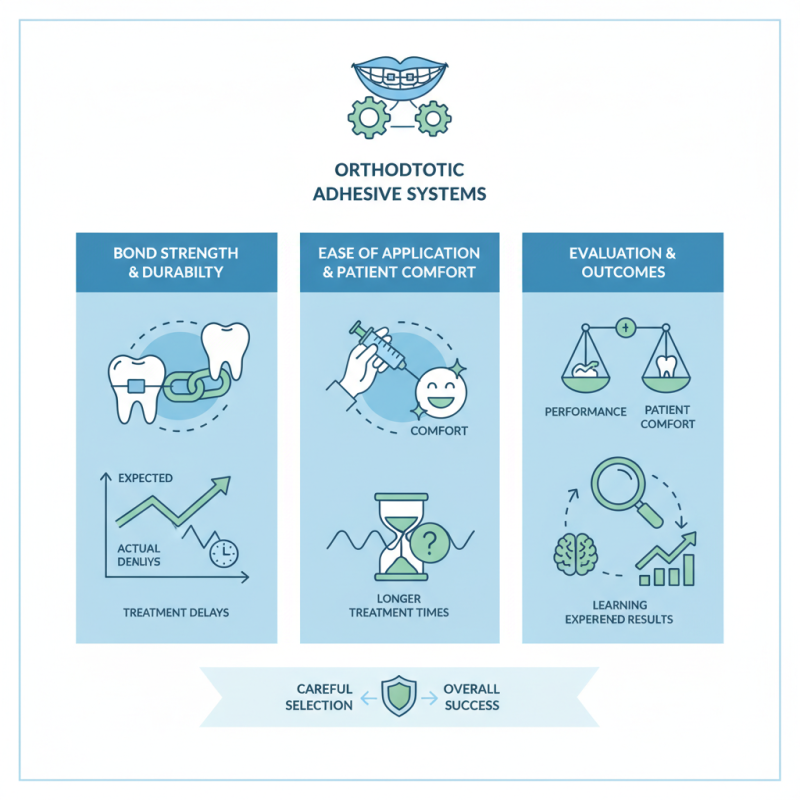
Diverse options exist on the market. Each product has its unique properties. Some may provide bond strength, while others focus on ease of application. Some orthodontists may overestimate the durability of certain adhesives. In practice, they may not last as long as expected. This can lead to treatment delays, requiring repeat procedures.

Patients also feel the effects of this choice. An inadequate adhesive can cause discomfort or even longer treatment times. It's essential to evaluate these systems critically. Finding a balance between performance and patient comfort is crucial. Through careful selection, orthodontic practices can improve overall outcomes. This process is an ongoing learning experience. Each case presents opportunities for reflection and growth.

Best Orthodontic Adhesive Systems for Effective Results?

Overview of Orthodontic Adhesive Systems and Their Importance

Orthodontic adhesive systems play a crucial role in dental treatments. They bond brackets to teeth securely, ensuring effective alignment and movement. A strong adhesive can improve treatment efficiency and patient comfort. Every orthodontist must choose the right system for their practice. However, not all adhesives perform equally in every situation.

The composition of these systems varies widely. Some rely on light curing, while others use chemical curing methods. Each type has its pros and cons. For instance, light-cured adhesives allow for greater precision in placement. Yet, they often require more time for adjustment. Adhesive failure is a concern, leading to longer treatment times. Patients sometimes experience discomfort, prompting a need for rethink in adhesive choice.

Patient-specific factors also matter. The material of the teeth and saliva composition can affect adhesion. Orthodontists must evaluate these variables. Their expertise influences the choice of adhesive system. Ultimately, the best results require careful consideration and ongoing reflection on the adhesive performance over time.

Types of Orthodontic Adhesives: A Comprehensive Comparison

When considering orthodontic adhesives, understanding the types available is crucial. Adhesives can generally be classified into two main categories: resin-based and glass ionomer. A study published in the "American Journal of Orthodontics" indicates that resin-based adhesives provide superior bonding strength. In tests, these adhesives demonstrated a bond strength exceeding 10 MPa, suitable for various orthodontic applications.

Glass ionomer adhesives, however, have their merits. They release fluoride, offering additional protection against caries. This can be particularly beneficial in patients with increased caries risk. Their bond strength, while lower, often falls between 5-8 MPa. This is a topic of debate in the orthodontic community, as some argue that their protective qualities justify the lower strength.

Moreover, application techniques can affect performance. Inconsistent bonding surfaces may lead to weaker attachments. The importance of surface preparation is emphasized in recent research. Poorly cleaned enamel may not allow for optimal adhesive performance. Regular evaluations and adjustments to techniques may be necessary. Understanding these nuances can lead to better treatment outcomes and more effective use of orthodontic adhesives.

Factors Influencing the Effectiveness of Adhesive Systems

The effectiveness of orthodontic adhesive systems hinges on several key factors. One vital aspect is the adhesive’s bond strength. Studies show that optimal bond strength can reduce the risk of bracket failure during treatment. A 2021 survey indicated that up to 20% of orthodontists reported bond failure leading to a need for re-bonding. This can prolong treatment time and frustrate patients.

The surface preparation of teeth is another significant element influencing adhesion. Uneven enamel surfaces or residues can compromise the bond. Proper etching techniques, for instance, improve the penetration of adhesives. However, many practitioners overlook this step, affecting treatment outcomes. According to recent insights, nearly 30% of orthodontic failures stem from inadequate surface cleaning.

Environmental conditions also matter. Humidity and moisture can affect adhesive performance. If a tooth is not completely dry, bond strength may decrease. Data suggest that 15% of failed treatments can be traced back to moisture issues during the bonding process. Practitioners must remain vigilant with these details to enhance the effectiveness of their adhesive systems.

Application Techniques for Optimal Bonding Results

When it comes to orthodontic adhesive systems, applying the adhesive correctly is vital for effective results. Each step should be taken with care. Begin by ensuring that the tooth surface is clean and dry. This step alone can make a significant difference. Consider using a rubber dam to isolate the tooth. A dry environment improves bonding significantly.

Next, apply the adhesive in a thin, even layer. Avoid excessive amounts, as this can lead to uneven thickness and weak bonds. Make sure to follow the manufacturer’s guidelines on curing times. Many practitioners overlook this step, which can result in compromised strength. A good practice involves checking your curing light regularly for effectiveness.

Finally, assess your work before proceeding. Look for air bubbles or adhesive overflow. Mistakes often happen in the shape of small imperfections. Reflect on your technique and consider recording your processes. Learning from each application helps improve future results. Each case is unique, and adapting your approach can lead to better bonding outcomes.

Best Orthodontic Adhesive Systems for Effective Results

This chart illustrates the bond strength of various orthodontic adhesive systems measured in megapascals (MPa). Optimal bonding results can significantly enhance the effectiveness of orthodontic treatments.

Future Trends in Orthodontic Adhesive Technology and Innovations

The landscape of orthodontic adhesive technology is evolving rapidly. Recent reports indicate that the global market for orthodontic adhesives is projected to grow at a CAGR of over 6% from 2023 to 2028. Such growth signals a shift towards advanced materials and innovative application techniques, which promise more effective bonding and enhanced patient comfort.

One emerging trend is the development of bioactive adhesives. These materials can promote healing and reduce inflammation. They have shown potential to improve outcomes for patients with braces. However, the effectiveness of these adhesives can vary. Some formulations still face challenges with bonding strength under different oral conditions.

Another key innovation is the integration of digital technology. Digital workflows can help in precisely applying adhesives. Advanced diagnostic tools provide real-time data. This can lead to better treatment planning. Despite the progress, some practitioners report difficulties in adapting to new technologies. Training and experience are vital to harness these advancements effectively. The path forward appears promising, but challenges remain.