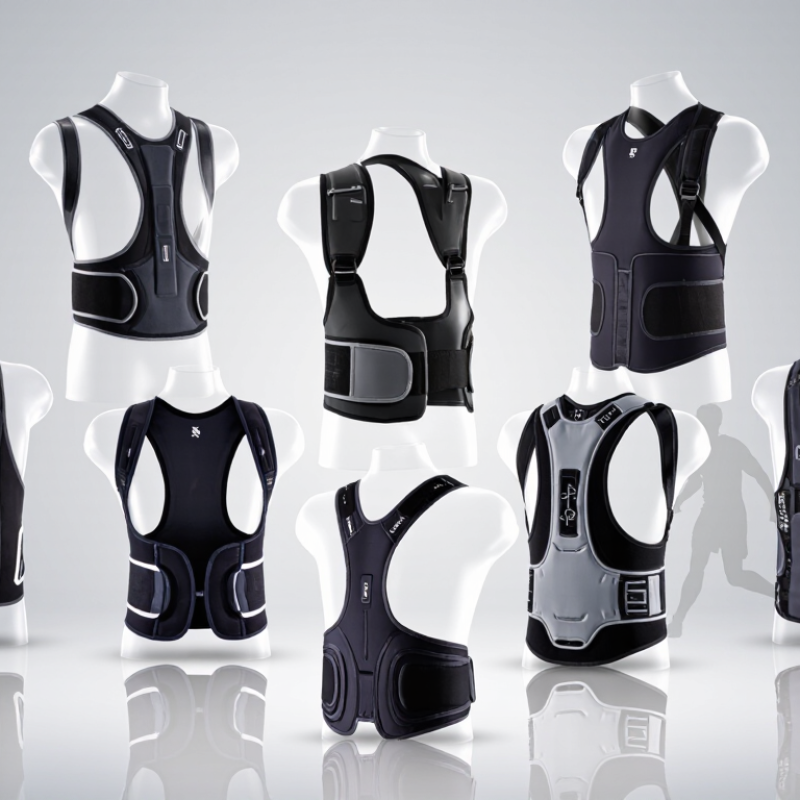
| 1. Lightweight Compression Wrap | Light | Stretch elastic fabric with a wide abdominal panel and soft edge binding. | Single hook-and-loop closure; gentle compression rather than rigid support. | Usually good because of its thin, flexible material. | Allows running, turning, bending, and ball work with minimal bulk under a jersey. | Players with occasional muscle fatigue or mild lower-back discomfort. | May not provide enough stability for significant weakness, instability, or acute injury. |
| 2. Adjustable Lumbar Support Belt | Moderate | Elastic lumbar belt with adjustable secondary tension straps. | Cross-over straps help increase compression around the lower back and abdomen. | Moderate; mesh panels improve airflow but added straps may retain heat. | Suitable for training and warm-ups when a secure, adjustable fit is needed. | Players who want to change compression during activity or between sessions. | Over-tightening can restrict breathing, hip movement, or comfortable sprinting. |
| 3. Flexible Panel Back Brace | Moderate | Fabric body combined with flexible vertical or horizontal support panels. | Flexible stays limit excessive motion while allowing controlled bending and rotation. | Moderate to good when the brace uses perforated panels or moisture-wicking fabric. | Provides more structure than a simple wrap while remaining suitable for light training. | Players needing additional lumbar guidance without a rigid frame. | Support panels can press into the skin if the brace is poorly fitted or worn too tightly. |
| 4. Dual-Strap Athletic Back Support | Moderate | Wide lumbar belt with two independent tension straps and a contoured back section. | Separate upper and lower adjustments help distribute pressure more evenly. | Moderate; the wider coverage may feel warmer during high-intensity play. | Can offer a secure fit during drills, lifting, and controlled field activity. | Players who need customizable compression and reduced brace movement. | More noticeable under clothing and may feel restrictive during deep hip flexion. |
| 5. Rigid-Stay Lumbar Brace | High | Firm textile shell with removable or fixed rigid stays along the lower back. | Rigid stays provide stronger resistance to excessive flexion and extension. | Limited to moderate because firm panels and thicker materials can trap heat. | Generally better for walking, daily activities, or rehabilitation than unrestricted soccer. | Short-term support when specifically recommended by a qualified clinician. | May limit natural trunk rotation and is usually unsuitable for full-speed play without professional clearance. |
| 6. Low-Profile Neoprene Support | Light to Moderate | Thin neoprene or neoprene-blend material with a simple wraparound closure. | Provides warmth, compression, and mild proprioceptive feedback without hard stays. | Usually limited because neoprene can retain heat and moisture. | Flexible enough for light drills, but warmth may become uncomfortable during matches. | Players who prefer a compact brace and find gentle warmth soothing. | Can cause sweating or skin irritation; it offers little mechanical control for serious pain. |
| 7. Extended-Torso Stabilizing Brace | Moderate to High | Taller front and back panels with multiple adjustment zones and supportive stays. | Greater coverage helps reduce brace shifting and provides more trunk control. | Fair to moderate; larger coverage generally increases heat and bulk. | May be appropriate for supervised rehabilitation, but can interfere with sprinting and rotation. | Players requiring substantial support for daily movement or a clinician-directed recovery plan. | Usually too restrictive for competitive soccer and should not replace medical assessment. |