

How to Care for a Dog After TPLO Surgery

How to Care for a Dog After TPLO Surgery begins with realistic expectations. Cranial cruciate ligament disease affects many active and aging dogs, especially those carrying extra weight. The American College of Veterinary Surgeons reports that approximately 90–95% of dogs regain good-to-excellent limb function after TPLO surgery. However, recovery is not automatic. Healing depends on controlled movement, incision monitoring, pain management, and gradual muscle rebuilding. Every tplo surgery dog follows a different recovery path.

The first weeks often feel surprisingly restrictive. Your dog may need a crate, pen, or small room, even when the leg appears comfortable. Short leash walks usually support bathroom needs, not exercise. Slippery floors can turn one excited step into a painful setback. Place rubber-backed runners across common pathways. Keep food, water, and bedding close together. AAHA pain-management guidelines emphasize regular assessment, because dogs may hide discomfort behind quiet behavior or unusual irritability. Watch for swelling, drainage, appetite loss, persistent panting, or sudden lameness. Contact the surgical team when signs seem abnormal.

Research in peer-reviewed veterinary surgery literature shows that complications can occur, although reported rates vary by study, technique, and patient factors. That uncertainty matters. A strong plan should follow your veterinarian’s instructions rather than online timelines. Rehabilitation may include carefully prescribed range-of-motion exercises, therapeutic walking, hydrotherapy, or strengthening work. Progress is rarely perfectly linear. One energetic evening can create two cautious days afterward. This guide combines veterinary guidance, clinical evidence, and practical home-care details to help owners protect healing while recognizing when professional reassessment is needed.

How to Care for a Dog After TPLO Surgery

Understanding TPLO Surgery and the Early Recovery Period

TPLO surgery stabilizes a dog’s knee after a damaged cranial cruciate ligament. The surgeon reshapes the tibia so the joint can bear weight more safely. Early recovery protects this repair.

During the first few days, your dog may feel sleepy, sore, or uncertain while walking. Give only the prescribed medicines, exactly as directed. Never add human pain relievers.

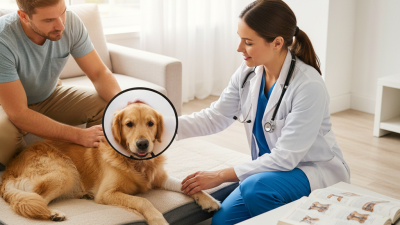
Keep your dog in a small, quiet area with non-slip flooring. Bathroom trips should be brief and controlled with a leash. A support sling can help on slippery surfaces, but ask your veterinary team how to use it.

Check the incision twice daily. Mild swelling may occur, but spreading redness, discharge, heat, or sudden bleeding needs prompt veterinary advice. Contact the clinic if your dog refuses food, cries constantly, develops vomiting, or stops using the leg completely.

Recovery is rarely perfectly linear. A better morning can be followed by stiffness at night.

Tips: Block stairs and furniture. Prevent running, jumping, and rough play. Keep the incision dry. Follow the recheck schedule, even when the leg looks improved.

Photographing the incision can help you notice changes. A common caregiver mistake is allowing too much freedom too soon. I understand the temptation; improvement feels reassuring. However, bone healing continues beneath the skin, often for several weeks. Rehabilitation exercises should begin only when your veterinarian approves them, because timing depends on the surgical findings, healing progress, and your dog’s comfort.

Managing Pain, Medication, Rest, and Safe Movement

After TPLO surgery, pain control and calm routines matter as much as the operation itself. Give every prescribed medicine exactly as directed, and never add human pain relievers. A dog may seem brighter before the knee is ready. That can be misleading. Watch for vomiting, severe sleepiness, worsening pain, or unusual breathing, and contact the veterinary team promptly.

Rest should be structured, not absolute. Use a small, secure room or crate with non-slip flooring. Take your dog outside only on a short leash for bathroom breaks. A support sling can help on slippery floors or stairs. Avoid running, jumping, furniture, and playful contact with other pets. Recovery is rarely neat. One quiet day may be followed by sudden overconfidence.

Check the incision once or twice daily. Mild swelling can occur, but increasing redness, heat, discharge, or opening requires veterinary advice. Keep the area dry and prevent licking with the recommended protective collar. Gentle exercises should begin only when approved, often including controlled weight shifting or short walks. Increase activity slowly, even when your dog appears comfortable. I would rather repeat a cautious week than repair damage caused by one exciting moment. Follow-up examinations and imaging help confirm healing and guide each adjustment.

Creating a Supportive Home Environment for Recovery

After TPLO surgery, home should feel calm, predictable, and boring. That is often harder than it sounds. Set up a recovery area on one level, away from busy hallways and excited children. Place firm, nonslip mats under your dog’s feet. Smooth floors can turn one careful step into a painful twist. Keep water, bedding, and prescribed medicines nearby. A crate or gated room may help, but it must allow comfortable standing and turning. Ask your veterinary team to check the setup before your dog comes home.

Use a short leash for bathroom breaks, even indoors when necessary. Prevent stairs, jumping, running, and furniture access until your veterinarian approves more activity. A properly fitted support sling can provide extra stability, but ask how to use it safely. Give medications exactly as prescribed. Never add human pain medicine. Check the incision twice daily for increasing redness, swelling, discharge, odor, or opening. Contact the clinic if these changes appear. A quiet room helps.

Mental comfort matters too. Offer calm attention, gentle grooming, or veterinarian-approved food puzzles without encouraging movement. Everyone in the household should follow the same restrictions. It is easy to overestimate recovery after one good-looking step. I have found that hopeful assumptions can create setbacks. Keep a simple daily log of appetite, medication, bathroom habits, and walking comfort. Recovery is not perfectly tidy. Some dogs dislike confinement, and some owners become tired or inconsistent. Tell the veterinary team when the plan feels difficult, so adjustments can be made safely.

Progressing Rehabilitation Exercises and Daily Activity

How to Care for a Dog After TPLO Surgery

Rehabilitation after TPLO surgery should progress slowly and follow your veterinarian’s instructions. During the early weeks, use short leash walks for bathroom breaks only. Keep your dog on non-slip flooring, away from stairs, furniture, and sudden turns. A quiet room helps prevent impulsive jumping.

As healing continues, increase walking time gradually, not daily by large amounts. Your veterinarian may approve gentle weight-shifting, controlled sit-to-stand movements, or passive range-of-motion exercises. Perform these on a stable surface and stop if your dog resists. Underwater treadmill sessions may help later, but only after the incision heals and professional clearance is given. Progress can feel uneven. One energetic afternoon does not prove the knee is ready for more activity.

Watch your dog for details. Notice swelling, warmth, limping, reduced appetite, or reluctance to place the foot down. Check the incision once daily without rubbing it. If your dog walks worse the next morning, the previous session was probably too demanding. Reduce activity and contact the veterinary team for guidance. I have seen owners advance too quickly because the dog seemed cheerful; that choice often creates setbacks. Calm consistency matters more than speed. Keep exercise boring for now. Recovery is not a race.

Recognizing Complications and Scheduling Veterinary Follow-Ups

After TPLO surgery, careful observation matters as much as rest. Recovery rarely looks perfectly linear. Your dog may bear weight one day, then move cautiously the next. That change deserves attention, not panic. Check the incision twice daily under good light. Mild bruising and limited swelling can occur early. Increasing redness, warmth, swelling, discharge, or a bad smell may signal infection. An opening incision needs prompt veterinary advice. Do not apply creams or clean the wound unless your veterinarian approves it.

Pain should gradually improve with prescribed medication. Do not give human painkillers. Call the clinic if your dog cries repeatedly, pants while resting, refuses food, or cannot settle. Sudden loss of leg use also matters, especially after earlier improvement. A swollen calf, pale gums, weakness, or difficult breathing requires urgent care. These signs are uncommon, but waiting can be dangerous. Keep walks short and controlled. Prevent running, stairs, jumping, and slippery-floor accidents. A leash indoors may seem excessive, yet it can prevent one sudden twist.

Schedule the first follow-up when your surgeon recommends it, often within 10 to 14 days. The veterinarian can inspect healing, review pain control, and remove sutures when appropriate. Later examinations commonly occur around six to eight weeks, sometimes with X-rays. Bone healing varies between dogs. Do not increase activity because the leg “looks better.” Ask when supervised rehabilitation should begin and which exercises are safe. Keep a simple daily record of appetite, medication, swelling, and weight-bearing. I have found that owners often underreport small changes because they seem unimportant. Those details can help your veterinary team adjust care early.