How to Choose the Right TPLO Surgery for Your Dog?

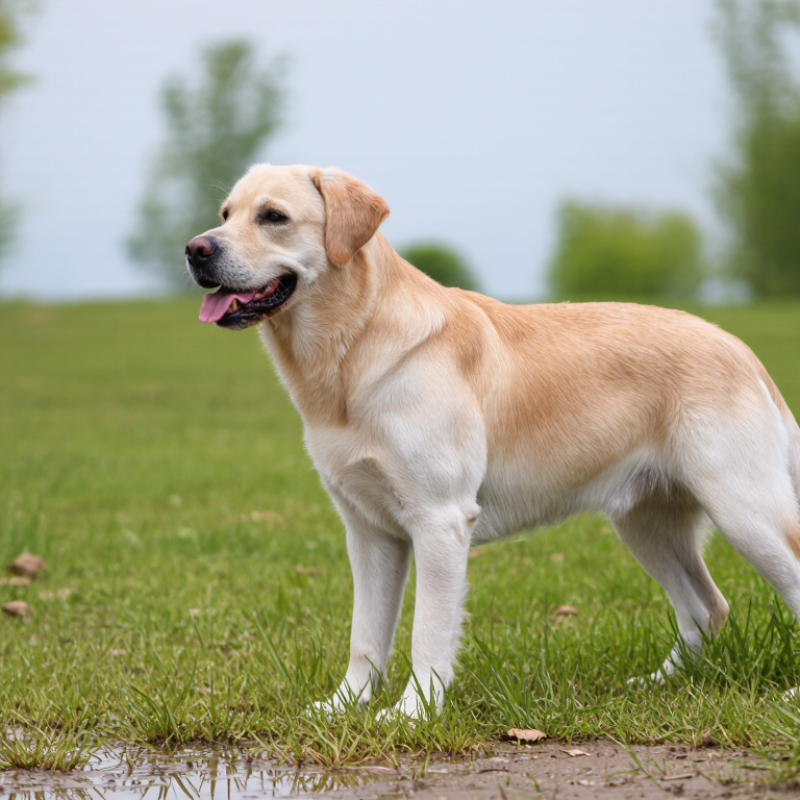
Choosing the right TPLO surgery for your dog is not a decision based on price alone. It begins with understanding your dog’s knee, body size, activity level, and general health. A Labrador that sprints across wet grass may need different planning from a quiet senior terrier. The details matter.

TPLO surgery changes the mechanics of the knee after cranial cruciate ligament failure. It does not simply replace the damaged ligament. Dr. Barclay Slocum, the veterinary surgeon who pioneered TPLO, described its purpose as “eliminating cranial tibial thrust during weight bearing.” That principle still guides modern surgical planning. However, surgical technique, implant selection, anesthesia, and rehabilitation can vary between hospitals. Experience matters.

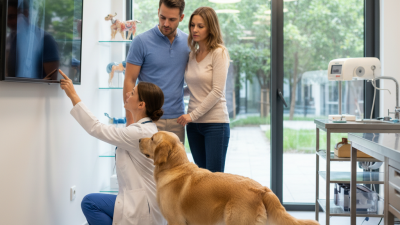
Ask who will perform the procedure. A board-certified veterinary surgeon may offer advanced imaging, careful alignment measurements, and structured follow-up. Review the surgeon’s case experience, complication rates, and rehabilitation instructions. A consultation should include radiographs, orthopedic testing, and a discussion of meniscal injury. Sometimes, additional imaging is appropriate.

There is no perfect choice.

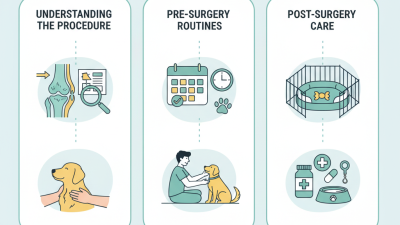
Even excellent surgery carries risks, including infection, implant problems, delayed healing, or persistent stiffness. My own caution is simple: online success stories cannot replace an examination. Your dog’s pain, gait, weight, and temperament should shape the decision. This guide will help you compare TPLO surgery options clearly, recognize important questions, and prepare for the demanding weeks after the operation. Recovery is not passive. It involves leash control, careful flooring, medication, and patience. Dogs often feel better before the bone is fully healed. That mismatch can create trouble.

How to Choose the Right TPLO Surgery for Your Dog?

Understanding When Your Dog May Need TPLO Surgery

A dog may need TPLO surgery when the cranial cruciate ligament is torn and the knee becomes unstable. This injury often causes sudden limping, difficulty rising, or reluctance to climb stairs. Some dogs hold one hind leg up after exercise, then walk almost normally later. That change can be misleading.

A veterinarian should confirm the problem through an orthopedic examination, usually with sedation when pain causes muscle tension. X-rays may show joint swelling, arthritis, or bone changes, but they cannot directly show every ligament injury. TPLO is often considered for active, medium-to-large dogs, complete tears, persistent lameness, or knees with clear instability. Smaller dogs may improve with structured rehabilitation, weight control, and careful pain management. Not always.

Choosing surgery requires more than the ligament diagnosis. The veterinarian should assess age, body condition, arthritis, general health, and the dog’s daily activity. A young working dog may need a faster return to stable movement, while an older dog with severe arthritis may have different priorities. Partial tears can worsen unexpectedly, so monitoring matters. I would question any recommendation made without discussing non-surgical care, surgical risks, recovery time, and realistic outcomes.

Recovery is demanding. For several weeks, the dog may need short leash walks, restricted stairs, and protection from slippery floors. A quiet room helps. Follow-up examinations and rehabilitation can support safe muscle rebuilding, although progress is rarely perfectly smooth.

How to Choose the Right TPLO Surgery for Your Dog? - Understanding When Your Dog May Need TPLO Surgery

Decision Area What to Look For Why It Matters for TPLO Selection
Typical Reason for Surgery Cranial Cruciate Ligament Injury
Partial or complete rupture of the cranial cruciate ligament, the structure that helps stabilize the knee.
TPLO is designed to stabilize the knee by changing the angle of the tibial plateau rather than relying on the damaged ligament. A veterinary orthopedic examination is needed to confirm that the knee is the primary source of pain and instability.
Common Clinical Signs Sudden or gradual hind-leg lameness, difficulty rising, reluctance to climb stairs or jump, reduced activity, a swollen knee, or a “sitting” posture with one hind leg extended. These signs can also occur with meniscal injury, patellar problems, hip disease, or fractures. Persistent lameness should be evaluated instead of being attributed to a cruciate injury without testing.
Physical Examination Joint swelling, reduced range of motion, pain, muscle loss, and instability detected by tests such as the cranial drawer or tibial thrust. Some dogs tense their muscles and may require sedation for a reliable examination. Findings from the physical examination help determine whether surgical stabilization is appropriate.
Diagnostic Imaging Knee radiographs are commonly used to identify joint swelling, arthritis, bone changes, and the shape of the tibia. Advanced imaging may be recommended in selected cases. Radiographs help the surgeon plan the procedure, evaluate bone quality, identify concurrent joint disease, and measure the anatomy needed for the planned bone cut.
Dog Size and Activity TPLO is frequently considered for medium-to-large dogs, athletic dogs, and dogs with substantial knee instability. Smaller or less active dogs may also be candidates. Size and activity influence forces placed on the knee, but they do not decide the procedure alone. Age, body condition, bone anatomy, medical status, and the surgeon’s assessment are also important.
Degree of Ligament Damage Complete rupture or a partial tear that causes persistent pain and instability. A partial tear may progress, particularly when instability remains. Surgery is more likely to be recommended when conservative care does not control pain or when examination shows meaningful instability.
Meniscal Assessment The menisci are cartilage structures inside the knee that can be damaged when the joint is unstable. Possible signs include clicking, persistent pain, or limited improvement. The surgeon may inspect and treat a damaged meniscus during the operation. Addressing concurrent meniscal injury can be important for reducing ongoing pain.
When Conservative Care May Be Tried Strict activity restriction, veterinarian-prescribed pain management, weight reduction when needed, rehabilitation, and controlled leash walking. Non-surgical care may be considered for selected dogs with mild or partial injury, lower activity demands, or substantial surgical risk. It requires close monitoring because instability can contribute to arthritis and muscle loss.
Health and Surgical Risk Overall fitness, heart and kidney health, infection risk, blood-test results, current medications, and ability to tolerate anesthesia. TPLO requires anesthesia and bone surgery. A preoperative assessment helps identify conditions that may require treatment, additional testing, postponement, or a different management plan.
Weight and Body Condition Excess body weight increases the mechanical load on the knee. A body-condition assessment should be part of treatment planning. Weight management supports recovery, reduces stress on both knees, and may lower the risk of complications. It is useful whether treatment is surgical or conservative.
Recovery Commitment Strict confinement and controlled activity are generally required initially, followed by a gradual rehabilitation program over several weeks. Running, jumping, and off-leash activity too early can increase the risk of complications. The household must be able to follow medication, wound-care, exercise, and follow-up instructions.
Possible Complications Infection, implant or bone-healing problems, persistent lameness, meniscal injury, fracture, delayed recovery, or complications related to anesthesia. Complication risk varies with the dog’s health, anatomy, surgical technique, aftercare, and activity restriction. Contact the veterinary team promptly for worsening swelling, discharge, fever, severe pain, or sudden loss of limb use.
Expected Long-Term Consideration Many dogs regain useful function after appropriate stabilization and rehabilitation, but arthritis may still develop or progress after cruciate disease. TPLO improves mechanical stability and comfort for many suitable candidates; it does not restore a normal, disease-free knee. Maintaining a healthy weight and following a conditioning plan can support long-term mobility.
Questions to Ask the Surgeon What confirms the diagnosis? Is the meniscus affected? Why is TPLO preferred for this dog? What are the alternatives, risks, costs, and rehabilitation requirements? A clear discussion helps compare TPLO with other stabilization procedures or conservative care and ensures that the recommendation fits the dog’s anatomy, lifestyle, health, and the owner’s ability to manage recovery.

Important: The decision to perform TPLO should be made with a licensed veterinarian or veterinary orthopedic surgeon after an examination and appropriate imaging. This table is for general educational purposes and does not replace individualized veterinary advice.

Assessing Your Dog’s Health and Knee Injury

How to Choose the Right TPLO Surgery for Your Dog?

Assessing Your Dog’s Health and Knee Injury

Choosing TPLO surgery begins with a complete assessment, not a quick decision based on a torn ligament. A veterinarian should examine your dog’s gait, joint stability, pain level, muscle loss, and overall movement. Watch how your dog rises from the floor. Small details can reveal significant discomfort.

X-rays help evaluate bone structure and arthritis, while additional imaging may clarify complex injuries. Your dog’s age, weight, activity level, and breed-related risks also matter. A young, active dog may need a different plan than an older dog with advanced arthritis. The other knee deserves attention too. Dogs with one cruciate injury may later develop problems in the opposite knee.

General health can change surgical safety. Blood tests may identify kidney, liver, or clotting concerns before anesthesia. Heart or breathing problems require careful planning. Your veterinarian should also discuss recovery demands, including restricted movement, home flooring, rehabilitation, and follow-up examinations. Recovery is not passive.

A checklist can miss the dog in front of you. I would question any recommendation made without a hands-on examination and suitable imaging. Surgical planning should match the injury and the dog’s real home environment. A dog living on slippery floors may need different preparation than one with secure outdoor space. Ask how complications are monitored and how pain control will be adjusted. Clear answers matter.

Comparing TPLO With Other Cruciate Ligament Treatments

How to Choose the Right TPLO Surgery for Your Dog?

Comparing TPLO With Other Cruciate Ligament Treatments

A torn cranial cruciate ligament can leave your dog limping, shifting weight, or avoiding stairs. TPLO changes the knee’s mechanics instead of replacing the damaged ligament. This can provide strong stability for active, large, or overweight dogs. It may also suit dogs with steep tibial anatomy or advanced joint instability.

Other treatments deserve careful attention. Conservative management may help small, calm dogs with partial tears, especially when strict rest and weight control are possible. However, recovery can be slow, and arthritis may continue developing. Extracapsular repair uses a strong supporting material outside the joint. It can work well in smaller dogs, but larger or highly active dogs may place greater stress on the repair. Another bone-cutting procedure, TTA, changes the knee angle through a different mechanical approach. Each option has specific benefits and risks.

The best choice depends on more than a scan. A veterinarian should assess gait, joint motion, body condition, age, activity, meniscus damage, and other health concerns. Surgical skill and careful aftercare also affect results. TPLO is not automatically superior. It involves bone healing, infection risk, rehabilitation, and meaningful expense. A technically successful operation can still disappoint if exercise restrictions are ignored. The decision is not always neat. Ask how each option fits your dog’s daily life, likely recovery, and long-term comfort.

Choosing the Right Surgeon, Technique, and Veterinary Clinic

How to Choose the Right TPLO Surgery for Your Dog?

Choosing the right surgeon is more important than finding the lowest price. Look for a veterinarian with advanced orthopedic training and regular TPLO experience. Ask how many procedures they perform each month. Request clear information about complications, revision surgery, and expected recovery. A confident surgeon should still discuss uncertainty. No operation is risk-free.

The surgical technique should match your dog’s anatomy, weight, age, activity, and ligament damage. Your surgeon should review orthopedic examination findings and properly positioned X-rays before recommending TPLO. Ask whether meniscal injury will be checked during surgery. Also discuss implant selection, pain control, and rehabilitation. A generic plan may miss important details.

The clinic itself deserves careful attention. Look for a clean operating room, continuous anesthesia monitoring, and trained staff throughout recovery. Ask who manages emergencies after discharge. A written home-care plan should explain incision checks, leash limits, medication timing, and follow-up visits. Your dog may need weeks of restricted movement, even when the incision looks healed. That part is easy to underestimate. Good communication matters when your dog refuses food, slips on the floor, or suddenly seems painful. No checklist is perfect. Trust your questions, but reconsider any clinic that dismisses them.

How to Choose the Right TPLO Surgery for Your Dog

A practical checklist for comparing the surgeon, surgical technique, and veterinary clinic before cranial cruciate ligament surgery.

The chart summarizes four real-world evaluation areas commonly considered in TPLO planning: surgeon qualifications, technique selection, clinic safety, and postoperative rehabilitation. The values represent the number of key verification points in this educational checklist, not a medical score or a guaranteed surgical outcome. A veterinarian should confirm whether TPLO is appropriate for the individual dog after orthopedic examination and diagnostic imaging.

Preparing for Surgery and Planning Your Dog’s Recovery

Choosing the right TPLO begins before the operation. A board-certified veterinary surgeon should assess gait, joint stability, X-rays, body weight, age, and existing arthritis. Ask how often the surgeon performs TPLO procedures. Ask about anesthesia monitoring and emergency support. The American College of Veterinary Surgeons reports that roughly 90–95% of treated dogs regain good limb function. However, results vary with surgical skill, patient health, and home care.

Prepare a quiet recovery area with non-slip flooring, short-leash access, and no stairs. Remove loose rugs. Arrange help for lifting your dog during the first few days. Give only prescribed medicines, and never share human painkillers. Your dog may appear brighter before the bone has healed. That is dangerous. Radiographic healing commonly requires about eight to twelve weeks, while full muscle recovery may take longer. A 2023 peer-reviewed review in Veterinary Surgery found that postoperative complications remain clinically important, even when overall outcomes are favorable.

Recovery should progress in measured stages. Early walks may last only three to five minutes. Controlled rehabilitation can later include gentle range-of-motion exercises, slow leash walking, and strengthening work. A rehabilitation professional can adjust the plan after each examination. Watch for increasing swelling, wound discharge, sudden lameness, fever, or a cracked implant sound. Contact the veterinary team promptly. Do not increase exercise because your dog seems bored. That mistake is easy to make. It can delay healing. Follow-up imaging matters, although owners sometimes underestimate its value. Your surgeon should explain each restriction, expected milestone, and possible complication in writing.