How Long Is TPLO Surgery Recovery for Dogs?

TPLO surgery recovery is rarely a simple countdown. The American College of Veterinary Surgeons (ACVS) reports that approximately 90–95% of dogs regain good-to-excellent limb function after TPLO. However, recovery speed differs between a young Labrador and an older, overweight terrier. The surgical technique may be standardized. The patient is not.

Most veterinary protocols describe strict activity control during the first eight weeks. This period allows the tibial osteotomy to heal while limiting reinjury risks. Dogs often begin with short, controlled leash walks on level ground. A slippery kitchen floor can undo careful progress. Veterinary Surgery studies also associate recovery with body weight, concurrent meniscal injury, muscle loss, and rehabilitation quality.

The calendar helps, but it can mislead.

Follow-up examinations and radiographs usually guide each increase in activity. ACVS guidance commonly supports gradual progression rather than unrestricted exercise after a fixed date. Many dogs resume comfortable daily movement within three to four months, while athletic performance may require longer conditioning. Some need six months or more before demanding work feels appropriate.

This guide explains tplo surgery recovery through practical milestones, warning signs, rehabilitation expectations, and questions for your veterinarian. It will distinguish normal stiffness from concerning swelling, persistent lameness, or incision changes. Those details matter beside the sofa, on the stairs, and during the first eager sprint toward a familiar ball. Recovery is not always linear. A quiet week can follow visible improvement, and that does not automatically mean failure. Temperature, pain control, exercise surfaces, and owner instructions can all influence the outcome.

How Long Is TPLO Surgery Recovery for Dogs?

What Is TPLO Surgery and Why Do Dogs Need It?

TPLO surgery, or tibial plateau leveling osteotomy, treats a torn cranial cruciate ligament in a dog’s knee. This ligament helps control forward movement between the thighbone and shinbone. When it tears, the knee becomes unstable. Dogs may limp, avoid stairs, or sit awkwardly. Some also develop swelling and arthritis over time.

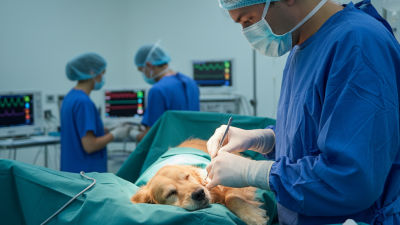
During TPLO, a veterinary surgeon reshapes the top of the tibia and stabilizes the bone with surgical implants. The procedure does not replace the ligament. Instead, it changes the knee’s angle so the joint remains stable during weight-bearing. Recovery commonly takes eight to twelve weeks, though age, body weight, healing, and surgical findings can change that timeline. A quiet dog may still be healing. Recovery is not perfectly linear.

Tips: Keep your dog on strict leash walks, usually for bathroom breaks only at first. Use non-slip rugs near food and sleeping areas. Prevent jumping onto furniture, even when the incision looks clean. Give prescribed medicine exactly as directed, and watch for increasing redness, drainage, heat, or sudden lameness. Follow-up examinations and controlled rehabilitation help rebuild muscle safely. It can feel overly cautious, but one rushed jump may delay bone healing. Some dogs improve quickly; others need more time, and that difference is not necessarily a problem.

What Happens During a Dog’s TPLO Recovery?

How Long Is TPLO Surgery Recovery for Dogs?

What Happens During a Dog’s TPLO Recovery?

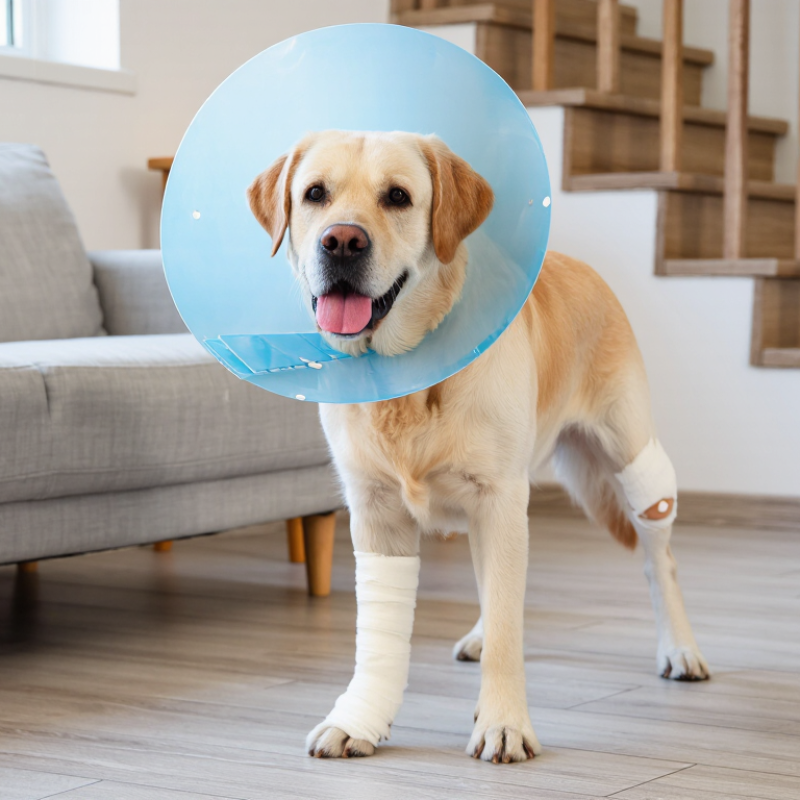
TPLO recovery commonly takes eight to twelve weeks, but every dog heals differently. The first few days usually involve sleepiness, soreness, and careful bathroom trips. Your dog may touch the operated leg down briefly, then lift it again. That can look alarming. Mild swelling around the knee may occur, but it should gradually improve.

Strict rest is essential during the early weeks. Keep your dog in a small, safe area with non-slip flooring. Short, controlled leash walks usually replace normal exercise. Running, jumping, stairs, and rough play can damage healing bone. A veterinary surgeon may schedule follow-up radiographs to assess bone healing. Rehabilitation exercises can include gentle range-of-motion movements, slow walking, and later, controlled strengthening.

Progress is rarely perfectly linear. Some dogs appear stronger before the bone is ready for unrestricted activity. That is where owners often misjudge recovery. I understand the temptation to allow more freedom, especially after a good day. Resist it. Increasing exercise should follow veterinary instructions, not enthusiasm. Contact the clinic if pain worsens, swelling increases, the incision opens, or your dog suddenly stops using the leg. Persistent licking, fever, discharge, or unusual tiredness also deserves prompt attention. Recovery requires patience, observation, and regular professional reassessment.

How Long Does Each Recovery Stage Usually Take?

TPLO surgery recovery usually takes three to six months, but each stage has its own pace. During the first two weeks, your dog needs strict rest, short bathroom walks, and careful incision checks. Swelling should gradually decrease. Persistent heat, discharge, or worsening pain requires prompt veterinary advice.

From weeks two to six, controlled leash walking often increases slowly. Your veterinarian may recommend rehabilitation exercises, such as gentle weight shifting or slow, supported steps. Around six to eight weeks, follow-up X-rays help assess bone healing. If healing looks satisfactory, activity can expand gradually. Many dogs return to normal household movement by eight to twelve weeks, yet running, jumping, and rough play may remain restricted. Full strength can take several more months.

Tips: Keep floors non-slip and block stairs. Use a short leash indoors when needed. Give medications exactly as prescribed. Watch how your dog rises, sits, and walks each day. Small improvements matter. It is tempting to treat these dates as fixed, but that can mislead. Some dogs progress quickly; others need extra time because of age, weight, muscle loss, or complications. Never advance exercise simply because your dog seems cheerful. Your surgeon’s examination should guide every increase in activity.

How Long Is TPLO Surgery Recovery for Dogs? - How Long Does Each Recovery Stage Usually Take?

Typical recovery ranges after tibial plateau leveling osteotomy (TPLO). Individual timelines vary according to the dog's age, health, surgical findings, healing progress, and veterinarian's instructions.
Recovery stage Typical timing What usually happens Activity and care guidance Common milestone
Immediate postoperative period Day 0–2 Sleepiness, discomfort, swelling, and temporary weakness are common after anesthesia and surgery. Many dogs begin placing some weight on the operated leg within the first few days, but some initially avoid it. Use prescribed pain relief exactly as directed. Provide a quiet, non-slip area and assist with short leash trips for toileting. Prevent stairs, jumping, running, and rough play. Comfort improves and the incision remains clean, dry, and closed.
Incision and early healing Days 3–14 Lameness may fluctuate, especially after activity. The incision typically heals during this period, although deeper bone and soft tissues are still vulnerable. Continue strict confinement. Use only controlled, short leash walks if approved. Keep the incision protected from licking and monitor it at least once daily. Skin sutures or staples may be removed at approximately 10–14 days if the incision has healed adequately.
Early rehabilitation Weeks 2–6 Weight-bearing and muscle use generally improve gradually. Muscle loss in the operated limb is still possible, particularly if activity is overly restricted or rehabilitation is delayed. Follow the surgeon's rehabilitation plan. Controlled leash walks may increase gradually, while off-leash activity, stairs, furniture, and slippery surfaces usually remain restricted. The dog uses the leg more consistently during slow, controlled walking.
Bone-healing assessment Around 6–8 weeks Radiographs are commonly used to assess healing of the tibial cut and the position of the implants. Healing may be slower in some dogs. Do not use improved comfort alone as permission for unrestricted activity. Increase exercise only after veterinary examination and imaging when recommended. The veterinarian determines whether activity can be increased safely.
Progressive strengthening Weeks 8–12 Many dogs show substantially better mobility, but strength, coordination, and endurance may still be developing. Gradually extend controlled walks and approved therapeutic exercises. Avoid sudden turns, sprinting, jumping, and high-impact play unless specifically cleared. A more natural gait and improved muscle condition become noticeable.
Return to regular activity Approximately 3–4 months Many dogs can return to normal household activity after adequate bone healing and rehabilitation. High-impact or athletic activity may require more time. Reintroduce activity in stages and stop if lameness, swelling, or discomfort returns. Maintain a healthy body weight to reduce stress on the knee. The dog tolerates everyday activities without a persistent increase in lameness.
Long-term recovery and conditioning 4–6 months or longer Some dogs continue to gain muscle, stamina, and confidence for several months. Mild intermittent stiffness can occur, and arthritis may develop over time despite successful surgery. Continue sensible conditioning, weight management, and periodic veterinary review when needed. Follow specific guidance before returning to strenuous sports. A stable, comfortable gait and reliable function during the dog's usual activities.
Important: Contact the veterinary team promptly if the incision opens, becomes increasingly red or swollen, produces discharge, develops an odor, or if lameness and pain suddenly worsen. The operating veterinarian's instructions should always take priority over general recovery ranges.

What Activities Are Safe During TPLO Rehabilitation?

How Long Is TPLO Surgery Recovery for Dogs?

What Activities Are Safe During TPLO Rehabilitation?

After TPLO surgery, safe activity usually means controlled movement, not complete inactivity. For the first several weeks, most dogs should walk only on a short leash. Keep each outing brief and on level ground. A quiet five-minute toilet walk may be appropriate early on, but your veterinarian must set the pace.

Avoid running, jumping, rough play, stairs, and off-leash freedom. Slippery floors can also cause sudden twisting, so use rugs near sleeping and feeding areas. Crate rest may help, but extended confinement without mental stimulation can create frustration. Offer a food puzzle, gentle grooming, or calm interaction instead.

Rehabilitation exercises should be prescribed individually. Some dogs may begin gentle range-of-motion exercises, while others need more healing time. Never force a stiff knee. Stop if your dog shows pain, swelling, excessive licking, or worsening lameness. Contact the surgical team when these signs appear.

Progress is rarely perfectly linear. A dog may seem energetic before the bone is strong enough for normal play. That enthusiasm is not proof of recovery. It is tempting to increase walks quickly, especially after a good day. A slower plan is often safer. Controlled leash walking, careful home access, and regular veterinary checks support healing while strength returns.

Which Signs May Indicate Recovery Problems?

How Long Is TPLO Surgery Recovery for Dogs?

Most dogs need eight to twelve weeks for basic bone healing after TPLO surgery. Full athletic function may take three to six months. The timeline depends on bone healing, muscle loss, age, weight, and rehabilitation quality. Published veterinary surgical studies report complication rates of roughly 10% to 34%, although definitions differ between studies. These figures come from clinical case series, not a guarantee for every dog.

Which Signs May Indicate Recovery Problems?

A dog that becomes steadily more lame after initial improvement needs veterinary assessment. Sudden non-weight-bearing, repeated crying, or a new clicking sound may suggest implant, meniscal, or bone complications. Watch the incision closely. Increasing redness, heat, swelling, discharge, bad odor, or wound separation is not normal. Fever, unusual tiredness, poor appetite, or persistent trembling also deserves prompt attention.

A quiet dog can hide pain. That is an easy mistake. Veterinary guidance from the American College of Veterinary Surgeons emphasizes controlled activity and scheduled examinations during healing. Short leash walks should not become running, jumping, or stair climbing too early. Slippery floors can also cause setbacks. One overlooked detail matters: compare today’s gait with yesterday’s gait, not only with the preoperative limp. If progress stalls for several days, contact the surgical team rather than adjusting exercise independently. Recovery plans are useful, but they are not perfect; an apparently minor change can require radiographs or a hands-on examination.