
Why Is Dog Surgery Important for Your Pet's Health?

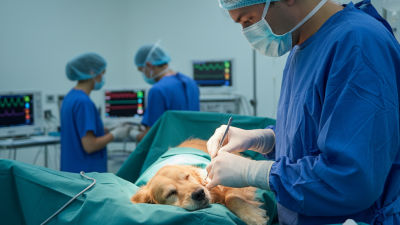
Dog surgery plays a critical role in maintaining the health of your furry friend. According to the American Veterinary Medical Association, about 14 million surgeries are performed on dogs in the United States each year. This highlights the necessity of surgical procedures in treating various health conditions. From minor issues like spaying to major surgeries for tumors, dog surgery can significantly improve a pet's quality of life.

Many pet owners may overlook the importance of surgery, thinking it is only needed in emergencies. However, early interventions can prevent severe complications. A study published in the Journal of the American Veterinary Medical Association indicates that timely surgical treatments can reduce the risk of life-threatening conditions by up to 30%. While it may be daunting, surgery often provides the best chance for recovery and longevity.

It is essential for pet owners to trust their veterinarians when considering dog surgery. There are inherent risks, yet the benefits often outweigh them. Proper research and consultations can ensure informed decisions. While some owners may hesitate, understanding the potential outcomes helps build confidence in the surgical process. Investing in your dog's health through surgery is an act of love that can lead to a happier, healthier life.

Why Is Dog Surgery Important for Your Pet's Health?

Importance of Timely Surgical Interventions for Dogs' Health

Timely surgical interventions can save your dog’s life. Often, health issues require surgical solutions. Delaying surgery may lead to complications. For instance, a persistent injury may worsen without proper care. Signs such as excessive whining or limping should not be ignored. A vet’s timely assessment is crucial.

Some pet owners hesitate to schedule surgeries due to fear or cost. This can be a costly mistake. Early treatment increases the chances of success. Dogs might suffer from conditions like tumors or digestive blockages. Both can escalate quickly if not addressed. An experienced vet can guide you through these tough decisions.

Moreover, the emotional aspect of surgery can weigh heavily. Seeing a beloved pet in discomfort is hard. However, the goal is to relieve their pain and restore their health. Trusting in the veterinary professionals’ expertise can ease your worries. Prioritizing your dog's health through timely surgical intervention is essential. It is a brave choice that shows love and commitment to their well-being.

Common Surgical Procedures in Dogs and Their Benefits

Surgical procedures for dogs play a vital role in their health and well-being. Common surgeries include spaying and neutering, which help control the pet population. These surgeries also reduce the risk of certain cancers. They promote better behavior and prevent unwanted litters, which can lead to issues for both pets and their owners.

Another important procedure is the removal of tumors. Early detection and surgical intervention can save your dog's life. Tumors can be benign or malignant, and timely treatment is crucial. Additionally, orthopedic surgeries, such as repairing ACL tears, enhance mobility and reduce pain. Dogs with movement issues can regain their ability to run and play, improving their quality of life.

Though surgery can sound intimidating, the benefits often outweigh the risks. Each dog's recovery journey is unique, and challenges can arise. Some may experience anxiety post-surgery. It's essential to monitor your pet closely and provide a calm environment. Regular follow-ups with your veterinarian ensure proper healing and address any complications that might occur.

Why Is Dog Surgery Important for Your Pet's Health? - Common Surgical Procedures in Dogs and Their Benefits

Surgical Procedure Purpose Benefits Recovery Time
Spay/Neuter Prevent unwanted litters & reduce certain health risks Reduces risk of reproductive cancers, lowers aggression 10-14 days
Dental Surgery Treat periodontal disease or remove teeth Improves oral health, prevents systemic issues 7-10 days
Tumor Removal Remove cancerous or benign tumors Improves quality of life, prevents spread of cancer 2-4 weeks
Orthopedic Surgery Repair fractures or joint issues Restores mobility, reduces pain 6-8 weeks
Foreign Body Removal Remove ingested objects Prevents internal injuries, improves digestion 3-5 days

Risks of Delaying Surgery for Your Pet's Health

Delaying surgery for your pet can lead to serious health risks. Many conditions worsen over time. A seemingly minor issue may escalate quickly. For instance, a small tumor could develop into something life-threatening. This delay can also result in increased pain for your furry friend. Pets cannot vocalize their discomfort effectively. They often hide pain, making it hard for you to know when surgery is necessary.

Consider these tips before deciding on surgery. Consult a veterinary professional immediately when you notice unusual behavior in your dog. Early intervention can prevent complications. Understand the potential risks of postponing treatment. Keep an open line of communication with your vet. They can help weigh the benefits against the risks based on your pet’s specific needs.

Being proactive with your pet’s health is vital. Many owners regret not acting sooner. There is no substitute for professional advice. Timely surgery can lead to a better quality of life for your pet. Be attentive to changes in appetite, energy, or behavior. These signs might indicate a need for medical assessments.

Importance of Dog Surgery for Your Pet's Health

This chart illustrates the potential risks associated with delaying necessary surgeries for dogs, emphasizing the importance of timely medical interventions. The data reflects common health issues diagnosed in dogs that may require surgical intervention.

Post-Surgery Care: Ensuring a Smooth Recovery for Your Dog

Post-surgery care is crucial for your dog’s recovery. After surgery, your pet may feel disoriented or anxious. It is important to create a calm environment. Soft beds and quiet spaces help. Avoid loud noises and sudden movements. This ensures your dog feels safe and secure. Monitor their behavior closely. Look for signs of discomfort, such as whining or excessive licking.

Feeding is another vital aspect of post-surgery care. Your dog may not want to eat immediately after the procedure. Offer small, bland meals. Fresh water should always be available. Gradually return to their regular diet as your dog heals. Follow your veterinarian’s guidance for specific instructions.

Pain management is critical, yet not always straightforward. Some dogs may need medication to manage pain, while others may not. Observe your pet for any changes in behavior. They might hide or be less active. If recovery seems slow, reach out to your vet for advice. Remember, every dog’s healing process is unique, and it is okay to seek help when needed.

Understanding the Role of Veterinary Surgeons in Dog Health Care

Veterinary surgeons play a crucial role in maintaining your dog's health. They are trained to perform complex surgeries that can be lifesaving. In fact, a study from the American Veterinary Medical Association reported that nearly 60% of dogs will require surgery at some point in their lives. This includes procedures for common issues like tumors, fractures, and gastrointestinal problems.

When a pet undergoes surgery, it’s essential to have skilled professionals involved. Veterinary surgeons typically complete an additional 3-4 years of education and training. Their expertise helps ensure that each procedure is as safe as possible. A well-planned surgical intervention can significantly improve a dog’s quality of life, reducing pain and preventing further complications.

Tip: Always ask your veterinarian about the risks and benefits of recommended surgeries. Transparency builds trust.

Recovery is another vital aspect where veterinary surgeons come in. They guide the post-operative care needed for optimal healing. Surgical sites must be monitored for signs of infection. Keeping an eye on your pet's behavior can also indicate any underlying issues.

Tip: Follow all aftercare instructions carefully. This ensures the best outcomes for your pet.