


How to Prepare for TPLO Surgery in Dogs?

Preparing for TPLO surgery can be a daunting task for any dog owner. It's crucial to understand the steps involved in this important procedure. TPLO surgery, or tibial plateau level surgery, is often recommended to treat cranial cruciate ligament (CCL) injuries in dogs. Many factors come into play before the surgery, and knowing what to expect can ease some anxiety.

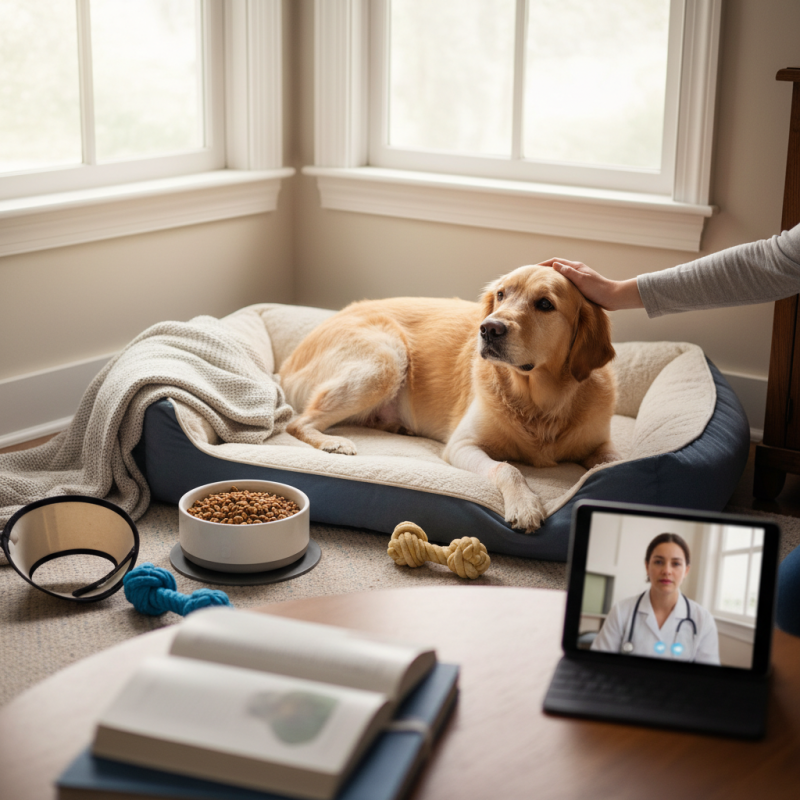
First, gathering all necessary supplies is essential. This includes post-surgery care items, like a comfortable recovery area and food that supports healing. Having these things ready can significantly impact your dog's recovery experience. Anticipate your dog’s need for extra attention and care during this time. You may face challenges; some dogs take longer to adjust to the recovery process.

Communication with your veterinarian is also vital. Discuss potential risks and recovery expectations, addressing any worries you may have. Be open to learning and adapting your approach based on your dog's unique needs. TPLO surgery is a significant event that requires thorough preparation to help your dog heal effectively.

How to Prepare for TPLO Surgery in Dogs?

Understanding TPLO Surgery: An Overview for Dog Owners

How to Prepare for TPLO Surgery in Dogs?

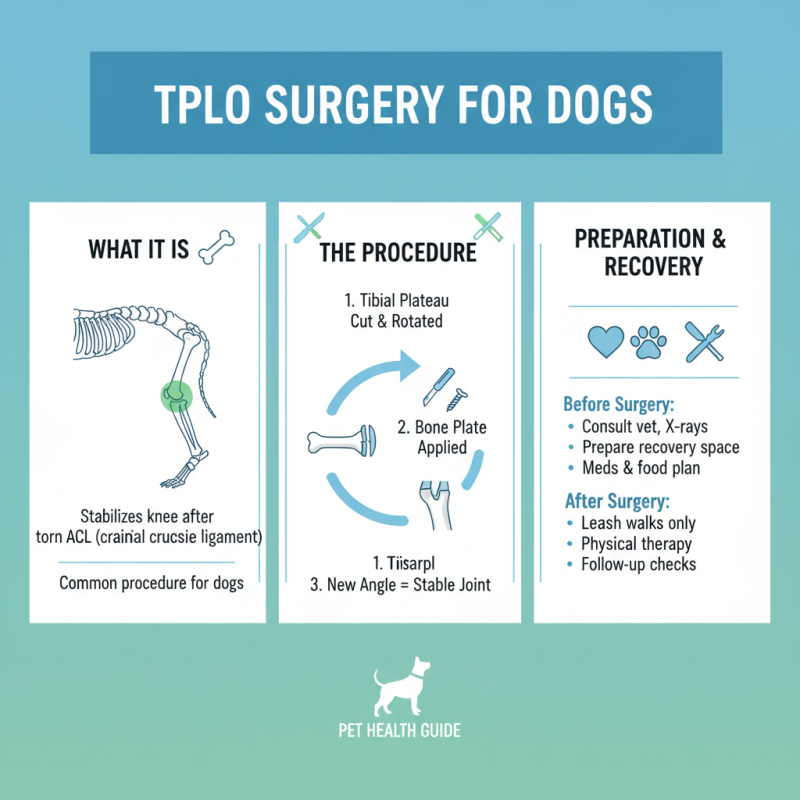
TPLO surgery, or tibial plateau leveling osteotomy, is a common procedure for dogs with knee injuries. It aims to stabilize the knee joint after a torn ACL. Understanding this surgery is crucial for pet owners. Preparation can reduce anxiety for both the dog and the owner.

Before the surgery, it's important to discuss any concerns with the veterinarian. They can explain the details of the procedure and what to expect during recovery. Owners should also prepare their homes. A quiet, comfortable space for the dog helps in their healing process. Make sure to remove any obstacles that could cause them to trip or fall.

Post-surgery, monitoring your dog’s behavior is essential. Look for signs of pain or discomfort. Some dogs may not respond well to being restricted. Patience is key. The recovery period requires time and effort. Ensure follow-up appointments are scheduled. Understanding TPLO can make a significant difference in your dog’s recovery journey. It’s a process filled with ups and downs, but knowing what to expect can ease the way.

Consulting with Your Veterinarian: Key Questions to Ask

Preparing for TPLO surgery involves important consultations with your veterinarian. Start with key questions about the procedure itself. Understanding the surgical technique is vital. TPLO stands for Tibial Plateau Leveling Osteotomy. This surgery addresses cranial cruciate ligament injuries, which are common in dogs. Studies show that about 70% of dogs experience this injury.

Inquire about the surgeon's experience. Ask how many TPLO procedures they have performed. A veterinarian who has done hundreds may provide more confidence. Consider possible complications too. While TPLO is generally safe, the risk of infection or issues with healing exists. Each dog is different. Therefore, their response to surgery can vary.

Discuss post-surgery recovery. A protocol should be in place to follow. How long will your dog need to be restricted in activity? Will physical therapy be required? Research indicates that a structured recovery plan improves outcomes. It's essential to reflect on these aspects with your vet. Every detail matters in your dog's journey to recovery.

How to Prepare for TPLO Surgery in Dogs? - Consulting with Your Veterinarian: Key Questions to Ask

Question Details
What is TPLO surgery? TPLO (Tibial Plateau Leveling Osteotomy) is a surgical procedure to stabilize the knee joint in dogs with cranial cruciate ligament injuries.
What pre-surgery tests are required? Pre-surgery tests may include blood tests, X-rays, and a physical examination to assess overall health.
What should I expect during the recovery period? Recovery typically involves restricted activity, regular check-ups, and possibly physical therapy.
What medications will my dog need post-surgery? Your dog may need pain relief medications, anti-inflammatory drugs, and possibly antibiotics.
How long is the recovery process? The full recovery process can take several months, with a gradual return to normal activities as directed by the veterinarian.
When can my dog return to normal activity? Most dogs can return to normal activities within 4 to 6 months after surgery, depending on individual healing.

Pre-Surgery Preparation: Checklist for Your Dog

Preparing for TPLO surgery for your dog can feel overwhelming. A solid checklist will help. Start with your dog’s health records. Compile vaccination history and any prior vet notes. This information is key for the surgical team.

Next, assess your dog’s current condition. Observe their eating habits and mobility. A weight check is important. Under or overweight dogs might face additional risks. Additionally, consider medication schedules. If your dog is on any pills, list them out. Discuss this with your vet.

Finally, prepare your home. Create a quiet space for recovery. Dog-proof the area by removing hazards. Stock up on supplies like food, water, and a comfortable bed. Your dog may need extra love and attention during recovery. Don’t overlook the importance of your own emotional readiness. It’s normal to feel anxious. Reflect on how you can support your furry friend through this process.

Post-Surgery Care: Ensuring a Smooth Recovery

How to Prepare for TPLO Surgery in Dogs?

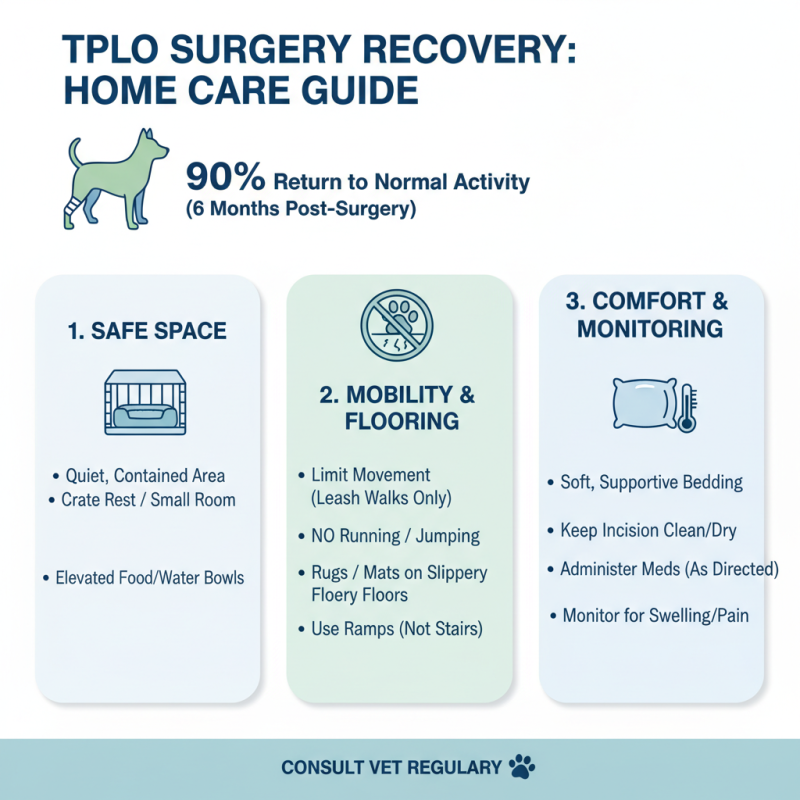
After TPLO surgery, proper care is crucial for a dog's recovery. Studies show that 90% of dogs return to normal activity levels within six months post-surgery. However, this requires diligence in home care. Owners need to create a safe recovery space. Avoid slippery floors and provide comfortable bedding. Limiting movement is essential to prevent complications.

Pain management is also important. Vets often prescribe pain relief medications. Following the prescribed dosage is necessary for your dog's comfort. A pet’s pain level can affect recovery speed. Regular follow-ups with the vet help monitor healing progress. Observe for any excessive swelling or unusual behavior, as these may indicate problems. Regular physical therapy sessions can aid in regaining mobility.

One common pitfall is underestimating rest periods. Many owners feel tempted to engage their pets too early. However, overexertion can hinder healing. Professional guidelines suggest up to 12 weeks of careful activity restrictions. Keeping a watchful eye during recovery and adhering to vet protocols is essential. Keeping a journal to track your dog's progress can also help identify any issues as they arise.

Monitoring Your Dog’s Recovery After TPLO Surgery

Monitoring your dog’s recovery after TPLO surgery is crucial. The first few weeks are vital. Keep an eye on the surgical site. Look for signs of swelling or redness. A small amount of discharge can be normal, but excess is a concern. Touch the area gently to check for heat or tenderness.

Limit your dog’s movement during recovery. Encourage them to rest as much as possible. A confined space can help prevent jumping or running. Use a leash for bathroom breaks. Training your dog to follow commands can be useful. Reward calm behavior to reinforce it. Remember, healing takes time.

Keep track of medication schedules and follow the vet's advice closely. Monitor your dog’s appetite and energy levels. A noticeable change might indicate a problem. Be patient; recovery can be slow. Each dog is different, and some may need extra time to heal. Take note of any unusual behaviors and consult your vet if needed.