





Top 10 Questions to Ask Your Veterinary Orthopedic Surgeon?

Choosing a veterinary orthopedic surgeon can be daunting. Many pet owners face this decision when their beloved animals suffer from joint or bone issues. A report by the American Veterinary Medical Association shows that orthopedic problems are among the top reasons for surgery in pets. This emphasizes the importance of selecting a qualified surgeon with experience.

Dr. Sarah Thompson, a prominent veterinary orthopedic surgeon, states, “Communication is key in understanding your pet’s needs.” Asking the right questions can ease your worries. You need to gather information about techniques, recovery, and expected outcomes. Moreover, many pet owners realize they have unanswered questions after the initial consultation.

This process often brings mixed emotions. You want the best for your pet while navigating complex medical terminologies and treatment plans. It's normal to feel overwhelmed. Yet, being informed can make a significant difference in your pet’s care.

Top 10 Questions to Ask Your Veterinary Orthopedic Surgeon?

Understanding the Surgeon’s Experience and Credentials in Orthopedic Surgery

When considering a veterinary orthopedic surgeon, understanding their experience is essential. Ask about the number of surgeries they have performed. A surgeon with years of specialized training often provides better outcomes. Specific qualifications, such as board certification in surgery, can be another indicator of expertise. Don't hesitate to inquire about their educational background and advanced training.

Experience isn't just about numbers. Engage the surgeon in a discussion about challenging cases they’ve handled. This can reveal their problem-solving skills. You might feel uncertain about how they approach complex surgeries. Listening to their explanations can ease concerns. A thorough surgeon should be able to discuss complications that arise and how they manage them.

Seeing surgical results can be enlightening. Request before-and-after photos of previous patients. This can help you gauge their skill. Finally, make sure they communicate clearly. Sometimes, jargon can confuse clients. If that happens, request simpler explanations. Ultimately, a strong rapport with your surgeon can lead to more informed decisions.

Types of Orthopedic Procedures and Their Indications for Veterinary Patients

When it comes to veterinary orthopedic surgery, understanding the procedures is crucial. Common orthopedic issues in pets often include fractures, ligament injuries, and joint problems. For instance, cranial cruciate ligament (CCL) tears are prevalent in dogs, particularly in active breeds. The surgical options include both traditional and minimally invasive techniques, depending on the severity of the injury.

Another significant procedure is hip dysplasia correction. This condition affects many breeds, leading to pain and mobility issues. Surgical interventions can vary from a femoral head ostectomy to total hip replacement. It's vital to discuss the specific indications for each option. Sometimes, surgery isn't the best solution. Weight management and physical therapy can also play key roles in recovery.

Deciding on surgery can be daunting. What should you prioritize? Surgeons may emphasize the risks versus benefits of each procedure. Understanding recovery times and rehabilitation is essential. Ask how these factors will affect your pet's quality of life. It's okay to seek clarity and express concerns. Don't hesitate to voice what you find troubling; it’s part of the process.

Top 10 Common Orthopedic Procedures for Veterinary Patients

Postoperative Care: Expectations and Complications to Watch For

Postoperative care is crucial after your pet undergoes orthopedic surgery. Owners should expect certain changes in their pet's behavior and health. Rest is vital; your pet may seem more lethargic than usual. This is normal as the body starts to heal. Monitoring the surgical site is essential. Look for swelling, redness, or unusual discharge. If you spot anything concerning, contact your veterinarian promptly.


Pain management is another key aspect of recovery. Your pet might show discomfort, which can affect their mood and appetite. Following your vet’s pain management plan is necessary. Some pets may resist medication. Be patient, and try to create a calm environment for them. Exercise restrictions are common after surgery. Allowing too much movement can complicate healing. Keeping your pet confined is challenging but important.


Complications can arise even with proper care. Infection is a significant risk. Watch for signs like fever or unusual behavior. Many owners report anxiety during this period, worrying if they did enough. Reflecting on your pet’s progress is beneficial. Regular check-ins with your vet can help ease concerns and ensure recovery stays on track.

Rehabilitation Strategies Following Orthopedic Surgery in Pets

Top 10 Questions to Ask Your Veterinary Orthopedic Surgeon?

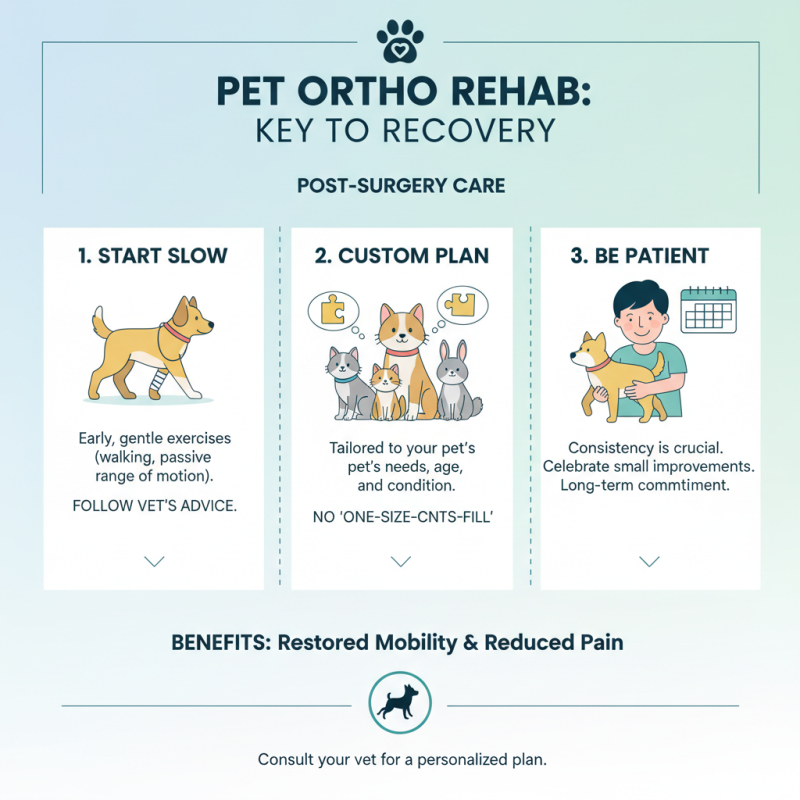
After any orthopedic surgery in pets, rehabilitation becomes crucial for recovery. It helps restore mobility and reduces pain. Following the vet's advice is key. Each pet is unique, and their rehabilitation plan should reflect that. Simple exercises can start as soon as your vet allows.

Tips: Always keep an eye on your pet’s behavior. If they seem reluctant to walk or move, it’s essential to contact your veterinarian. Gradually increase exercise intensity. Each small improvement is vital. Short, frequent walks often work better than long sessions.

Hydrotherapy can be beneficial for pets post-surgery. Water provides resistance and support. It may help in rebuilding strength without joint strain. Incorporate gentle stretching to improve flexibility. Remember, progress might not be linear. Celebrate small milestones!

Cost Analysis: What to Expect for Orthopedic Surgical Procedures

When considering orthopedic surgery for your pet, knowing the costs is crucial. Estimates show that orthopedic procedures can range from $1,500 to over $5,000. Factors include the type of surgery, your pet's condition, and geographic location. A report by the American Animal Hospital Association indicates that surgical costs have been increasing steadily over the years, so budgeting is essential now more than ever.

Tips for managing costs: Get a detailed estimate before proceeding with surgery. Ask your surgeon to break down the expected costs, including pre-operative tests, surgery, and post-operative care. Telehealth consultations can also be a cheaper option for initial evaluations.

Remember, not all surgeries are equal. Some may seem straightforward but can lead to complications. Discuss the potential risks with your surgeon. A thorough understanding of what could go wrong can prevent future costs. Always consider second opinions. Sometimes, alternative treatments might be less costly and effective. Explore all options before making a final decision.

Top 10 Questions to Ask Your Veterinary Orthopedic Surgeon - Cost Analysis

Question Average Cost ($) Expected Recovery Time Risks Associated
What is the total estimated cost of the procedure? $1,500 - $3,000 4-6 weeks Infection, bleeding
Are there financing options available? n/a n/a n/a
What will follow-up care entail? $200 - $500 Check-ups over 3 months None if followed correctly
What is your experience with this type of surgery? n/a n/a n/a
Can I see before-and-after photos of previous surgeries? n/a n/a n/a
What type of anesthesia will be used? $300 - $600 Variable Reactions to anesthesia
What should I expect post-surgery? n/a Variable n/a
Is there a risk of needing additional surgery later? n/a n/a Yes
What is the success rate of this procedure? n/a n/a n/a
What are the signs of complications to watch for? n/a n/a Swelling, discomfort