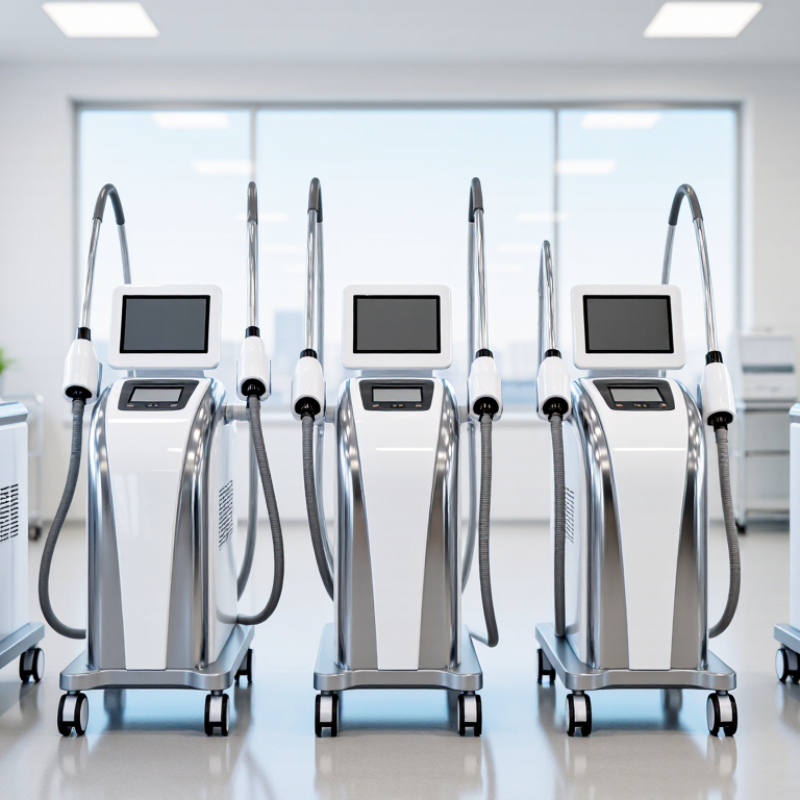
| Laser Technology | Confirm the light source, wavelength configuration, pulse control, cooling method, and treatment modes. | Common professional diode hair-removal systems use approximately 755 nm, 808 nm, and 1064 nm wavelengths, either separately or in combination. The operating parameters should be adjustable rather than fixed. | Request the technical specification sheet, user manual, and a live demonstration using the intended treatment settings. | 15% |
| Safety and Regulatory Documentation | Check whether the supplier provides complete safety, electrical, and market-access documentation for the target sales region. | Documentation should identify the legal manufacturer, model number, electrical rating, risk controls, applicable standards, and authorized operating instructions. Requirements vary by destination market. | Review original certificates, declarations, test reports, labels, and manuals. Verify that the documents match the exact model being purchased. | 15% |
| Cooling Performance | Evaluate the contact-cooling system, cooling consistency, handpiece temperature control, and protection against excessive skin heating. | A suitable system should maintain stable cooling during repeated pulses and provide visible temperature or treatment-status feedback where applicable. Cooling claims should be tested under continuous use, not only during short demonstrations. | Run a continuous-use test and record handpiece temperature, cooling recovery time, alarm behavior, and treatment interruptions. | 12% |
| Output Consistency | Determine whether fluence, pulse width, repetition rate, and spot size remain consistent across the treatment session. | The supplier should state the adjustable operating range and measurement tolerance for key parameters. Output should remain stable after warm-up and during repeated shots. | Request independent or factory test data and compare selected settings with measurements from a qualified service professional or calibrated test instrument. | 12% |
| Machine Configuration | Compare handpiece quantity, spot sizes, screen interface, treatment presets, emergency stop function, and operator controls. | The configuration should match the intended clinic or salon workflow. Essential controls should be clearly labeled, password-protected where appropriate, and available in the required operating language. | Use a checklist during a live demonstration and confirm that every included accessory is listed in the quotation and packing list. | 8% |
| Quality Management | Assess production controls, component traceability, final inspection, calibration records, and batch consistency. | A reliable supplier should be able to explain incoming inspection, assembly checks, electrical safety testing, final functional testing, and serial-number traceability. | Request a quality-control flowchart, sample inspection report, serial-number format, and an inspection video or factory audit. | 10% |
| Warranty Terms | Review warranty duration, covered parts, exclusions, response times, and responsibilities for shipping or labor. | The written warranty should specify coverage for the main unit, handpiece, cooling components, power supply, and control system. Verbal promises should not replace contractual terms. | Ask for the complete warranty policy before paying a deposit and ensure the quotation, purchase contract, and warranty use consistent model information. | 10% |
| After-Sales Service | Check technical support channels, spare-parts availability, remote troubleshooting, training, and repair procedures. | The supplier should provide a service contact, troubleshooting process, software or operating guidance, and a practical spare-parts plan for the expected service period. | Ask for a sample support workflow, training agenda, spare-parts price list, and typical response-time commitment in writing. | 8% |
| Lead Time and Production Capacity | Verify manufacturing lead time, stock status, customization limits, and ability to fulfill repeat orders. | The supplier should separate standard production time, inspection time, export preparation, and transit time. Any customized logo, software language, or electrical configuration may extend the schedule. | Request a dated production plan and confirm the schedule at the contract, pre-shipment inspection, and shipment stages. | 5% |
| Shipping and Packaging | Evaluate export packaging, shock and moisture protection, included accessories, insurance, and delivery terms. | Packaging should protect the machine and handpiece from vibration, impact, and moisture. The shipping quotation should clearly state the trade term, destination, insurance responsibility, and included documents. | Review packaging photos, packing dimensions, gross weight, shipping marks, and a draft packing list before dispatch. | 3% |
| Total Cost of Ownership | Calculate the complete cost beyond the initial machine price. | Include equipment cost, shipping, import duties, taxes, installation, staff training, consumables, replacement handpieces, preventive maintenance, and potential downtime. | Build a three-year cost model and compare suppliers using the same configuration, service scope, delivery term, and payment conditions. | 10% |
| Payment and Contract Protection | Review deposit percentage, balance-payment trigger, inspection rights, refund conditions, delivery penalties, and dispute provisions. | Payment milestones should be linked to documented progress, such as order confirmation, production completion, inspection approval, and shipment documentation. | Use a written purchase agreement and obtain a pre-shipment inspection or acceptance report before releasing the final payment. | 7% |
| Pilot Testing and Acceptance | Test the exact production model before placing a large repeat order. | The acceptance checklist should cover model identity, serial number, accessories, electrical compatibility, cooling operation, user interface, safety functions, output settings, and packaging condition. | Conduct a documented sample evaluation and retain photographs, test results, signed acceptance records, and all final technical files. | 5% |