

What You Need to Know About TPLO Surgery for Dogs?

TPLO surgery, or Tibial Plateau Leveling Osteotomy, is a vital procedure in canine orthopedic care. Dr. Sarah Thompson, a leading veterinary surgeon, emphasizes its importance: "TPLO surgery provides stability and pain relief for dogs with cruciate ligament injuries." This surgery helps countless dogs regain mobility and live pain-free.

Many dog owners feel anxious about this surgical option. Understanding the procedure is crucial for informed decisions. TPLO surgery corrects the knee joint's angle, effectively preventing further injury. While effective, it requires dedicated recovery time and thorough aftercare.

Procedure details and success rates are essential in evaluating TPLO surgery. Statistics show a high success rate, yet risks and complications can occur. Each case varies, and the dog's age and health status matter. Thus, consulting with veterinary experts is key for the best outcomes.

What You Need to Know About TPLO Surgery for Dogs?

Understanding TPLO Surgery: Definition and Purpose in Canine Care

TPLO surgery, or Tibial Plateau Leveling Osteotomy, is an increasingly common procedure in canine health care. It addresses cranial cruciate ligament (CCL) tears, which often lead to knee instability and pain in dogs. Research indicates that approximately 20% of dogs may experience a CCL rupture, making this surgery a frequent necessity. The objective of TPLO surgery is to stabilize the knee joint by leveling the tibial plateau, thereby improving the dog's mobility and quality of life.

During the procedure, the tibia is cut and repositioned to create a more stable angle. While many dogs see significant improvement post-surgery, recovery can be challenging. Approximately 30% of dogs may experience complications or a longer recovery period than expected. This complexity highlights the importance of selecting a skilled veterinary surgeon and adhering to post-operative care recommendations. Owners should monitor their pets closely during this recovery phase, as some dogs might require additional interventions.

The average recovery time for TPLO surgery is around 4 to 6 months, depending on individual cases. While many dogs return to normal activities, some may not regain full function. This unpredictability can be discouraging for pet owners. Therefore, understanding the potential risks and benefits of TPLO surgery is crucial for making informed decisions about canine health care.

Common Conditions Leading to TPLO Surgery in Dogs

Many dogs suffer from knee injuries, particularly involving the anterior cruciate ligament (ACL). This condition often leads to pain and instability. As a result, veterinarians may recommend TPLO surgery. This procedure stabilizes the knee while allowing dogs to regain mobility.


Other common issues that necessitate TPLO surgery include osteoarthritis and fractures. Osteoarthritis can develop over time, causing chronic pain. Fractures can occur from accidents or trauma, stressing the knee joint. Each condition affects a dog's activity levels.


Dogs may struggle to run, jump, or even walk comfortably. Understanding these conditions is essential for dog owners. Early intervention can significantly improve outcomes. If you notice your dog limping or hind leg weakness, seek veterinary advice. Monitoring your dog's activity and health can help prevent severe injuries that require surgery. It's crucial to stay informed and proactive about your pet's well-being.

The TPLO Surgery Procedure: Steps and What to Expect

TPLO surgery, or tibial plateau leveling osteotomy, is a common procedure for dogs with cruciate ligament tears. The surgery aims to stabilize the knee joint by altering the tibial plateau angle. It’s crucial for pet owners to prepare for what comes next during the process.

During TPLO surgery, the veterinarian will make an incision over the knee. They will then carefully expose the joint and remove damaged tissue. A bone cut is made in the tibia to change its angle. This helps the knee to bear weight without the ligament. After the cut, metal plates may be used to secure the bone in its new position. The procedure usually lasts about one to two hours, but it can vary based on the case.

Post-surgery, expect your dog to need time to heal. Pain management is essential during recovery. Follow-up visits to the vet will be necessary. Limited activity is often recommended for several weeks. Owners may feel anxious during this time but remember to stick to the recovery plan. The journey may be challenging, but most dogs return to their usual activities in a few months.

Post-Operative Care and Recovery Timeline for Dogs After TPLO

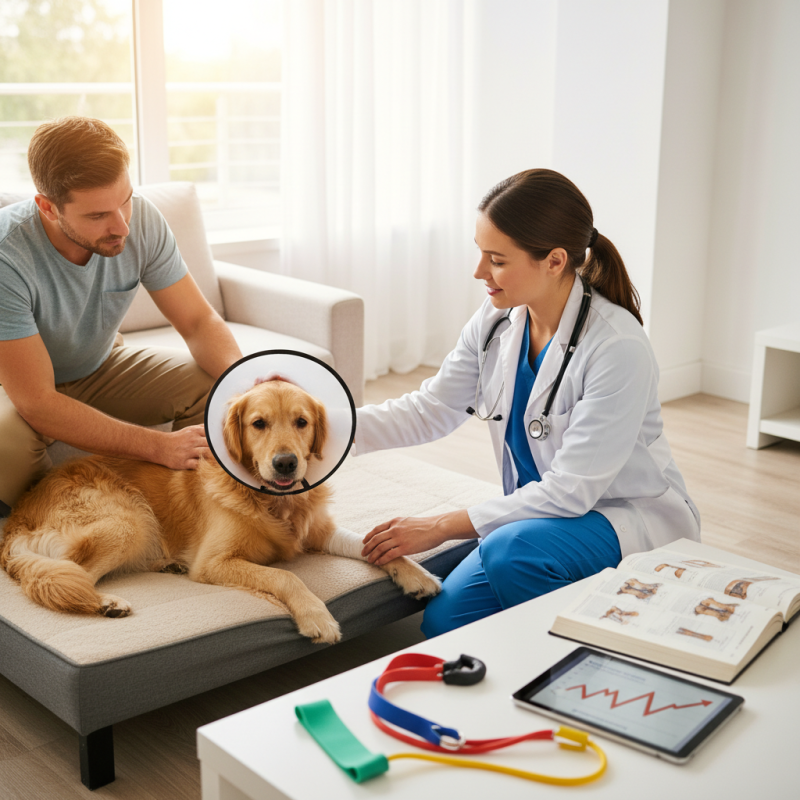
After TPLO surgery, the recovery process is crucial for your dog's healing. The first few days are vital. Your dog may experience swelling and discomfort. A proper pain management plan is necessary. Follow your veterinarian’s instructions closely. Use ice packs to reduce swelling. Monitoring your dog's incision site daily is important. Look for any signs of infection, such as redness or discharge.

In the first two weeks, limit your dog’s activity. Short, controlled leash walks are essential. Avoid jumping, running, or playing with other pets. This is a challenging time, as dogs may feel restless. Consider mental stimulation activities to keep them engaged. Gradually reintroduce normal activities after the vet’s approval.

Around six weeks post-surgery, physical therapy might start. This can include gentle movement exercises and hydrotherapy. Consult with a professional to ensure safety. Recovery varies among dogs. Understand your pet's unique needs and adjust your expectations. Patience is key during this time. Each dog's journey is different, and setbacks may occur. Always communicate with your veterinarian about any concerns.

Success Rates and Complications Associated with TPLO Surgery in Dogs

What You Need to Know About TPLO Surgery for Dogs?

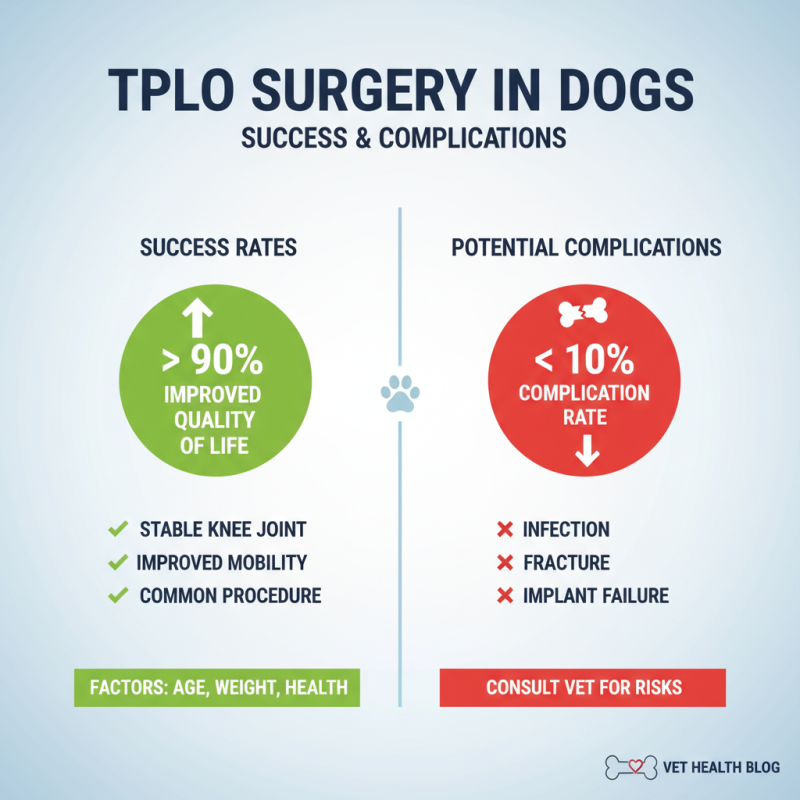
TPLO surgery, or tibial plateau leveling osteotomy, is a common procedure for dogs with torn cranial cruciate ligaments. The surgery aims to stabilize the knee joint, allowing for improved mobility. Success rates for TPLO surgery are generally high, with studies indicating that over 90% of dogs experience significant improvement in their quality of life post-surgery. However, the success often depends on factors like the dog's age, weight, and overall health.

Despite the high success rates, there are potential complications. Some dogs may experience infections, blood clots, or issues with implant stability. These complications can lead to prolonged recovery times and require additional treatments. It's crucial for pet owners to monitor their dogs closely after surgery. Regular follow-ups with the veterinarian help ensure any issues are addressed promptly.

It's also worth noting that not all dogs respond the same way to TPLO surgery. While many navigate through recovery without major hitches, some may require extensive rehabilitation. This unpredictability can be challenging, but proper care and adherence to post-operative guidelines can significantly improve outcomes. Engaging with a knowledgeable veterinarian throughout this process is vital for the best possible recovery.