
2026 How to Ensure a Smooth TPLO Surgery Recovery for Your Dog?

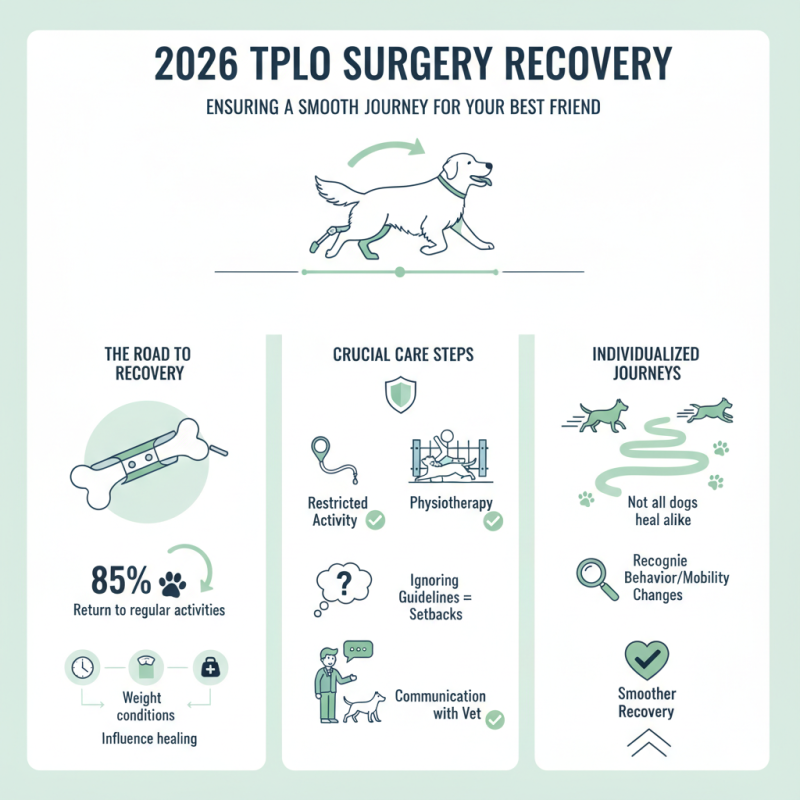
TPLO surgery recovery is crucial for your dog's long-term health and mobility. Research indicates that approximately 85% of dogs return to regular activities post-surgery. However, the recovery process can present challenges. Factors such as age, weight, and pre-existing conditions heavily influence an individual dog's healing.

Proper care during the recovery phase is essential. According to veterinary studies, adherence to post-operative guidelines can significantly reduce complications. This includes restricted activity and physiotherapy. Many pet owners underestimate the importance of these guidelines. Ignoring them can lead to setbacks.

Recognizing that each dog’s recovery journey is different is vital. Not all dogs heal at the same rate. Some may have unexpected delays or setbacks. Identifying changes in behavior or mobility during recovery is essential. Communication with your veterinarian can clarify uncertainties and ensure a smoother recovery process.

2026 How to Ensure a Smooth TPLO Surgery Recovery for Your Dog?

Importance of Post-Operative Care in TPLO Surgery Recovery

2026 How to Ensure a Smooth TPLO Surgery Recovery for Your Dog?

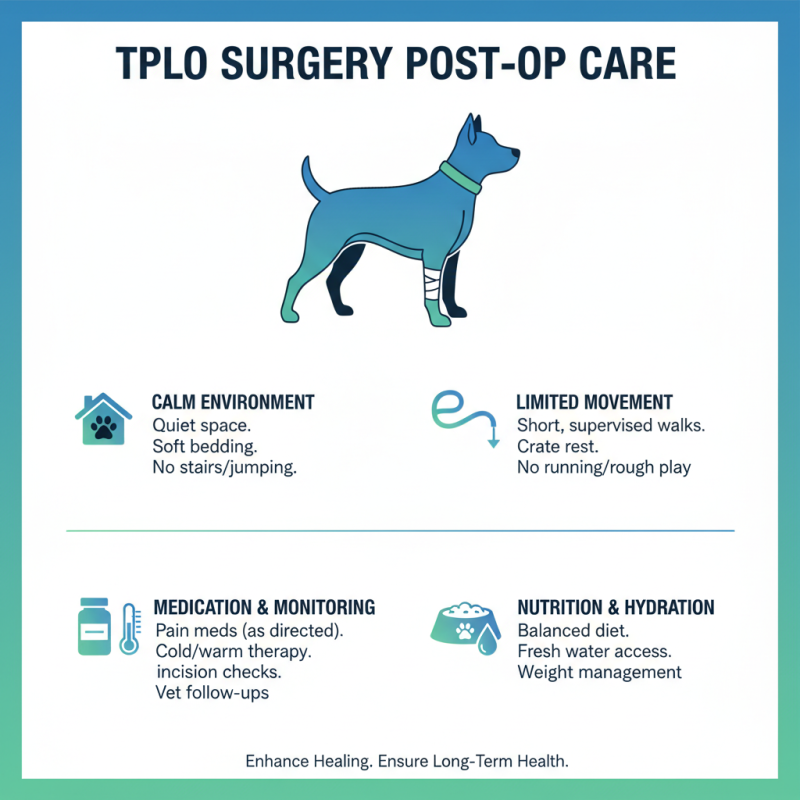
After TPLO surgery, your dog needs special care. The recovery process is crucial for long-term health. Attention to post-operative care can enhance your dog’s healing. Providing a calm environment is essential. Limit movement to prevent complications.

Keeping the incision clean is vital. Check it daily for signs of infection. If it looks red or swollen, contact your vet. Monitoring behavior is also important. If your dog seems in pain, consult your veterinarian.

Tips for a smooth recovery: Use a leash for walks. Short, controlled walks help maintain muscle strength. Keep your dog entertained with toys that do not require much movement. Set up a cozy area where your dog can rest. Pay attention to feeding; a proper diet aids recovery. Some days will be challenging. It's normal to feel frustrated or worried. Just remember, patience is key in this process.

Key Steps for Setting Up a Comfortable Recovery Space for Your Dog

Creating a comfortable recovery space for your dog after TPLO surgery is essential. A quiet area helps reduce stress. Use soft bedding to keep your dog cozy. The right temperature is also important. A drafty space can make your dog uncomfortable.

**Tips:** Ensure the recovery space is free from distractions. Limit access to other pets and heavy foot traffic. This will help your dog focus on healing. Use gates if needed. A calm environment can speed up recovery.

Monitor your dog closely. You may notice moments of anxiety. Provide comfort items like a favorite toy. It can help ease their worries. Be patient and make adjustments as needed. Some dogs prefer a small crate, while others may do better in a larger space.

**Tips:** Keep water and food close by. You don’t want your dog to struggle moving around. Check the area regularly for any hazards. Your dog's safety is crucial during this time.

Guidelines for Managing Pain and Medications After TPLO Surgery

After TPLO surgery, managing your dog's pain effectively is critical. Pain can hinder recovery and affect your dog's mood and mobility. According to the American College of Veterinary Surgeons, approximately 90% of dogs show improvement in pain levels post-surgery with proper pain management. This includes the use of analgesics as prescribed by the veterinarian. It's essential to follow the dosage instructions closely. Too much medication can lead to side effects that complicate recovery.

Monitoring your dog's response to medication is vital. Look for signs such as excessive panting, lethargy, or gastrointestinal issues. These can indicate that the pain management strategy may need adjustment. Keeping a detailed diary of your dog's behavior helps you notice patterns. It’s easy to overlook minor changes, but these can provide important insights to your vet.

Additionally, the post-surgery environment plays a huge role in recovery. Ensure it's calm and comfortable. Use an orthopedic dog bed, and limit stairs and jumping. According to a 2021 veterinary study, about 15% of dogs require additional intervention due to improper recovery conditions. Reflect on your dog's needs regularly and adjust the recovery plan to best support their healing process.

Recommended Physical Rehabilitation Exercises for Dogs Post-TPLO

2026 How to Ensure a Smooth TPLO Surgery Recovery for Your Dog?

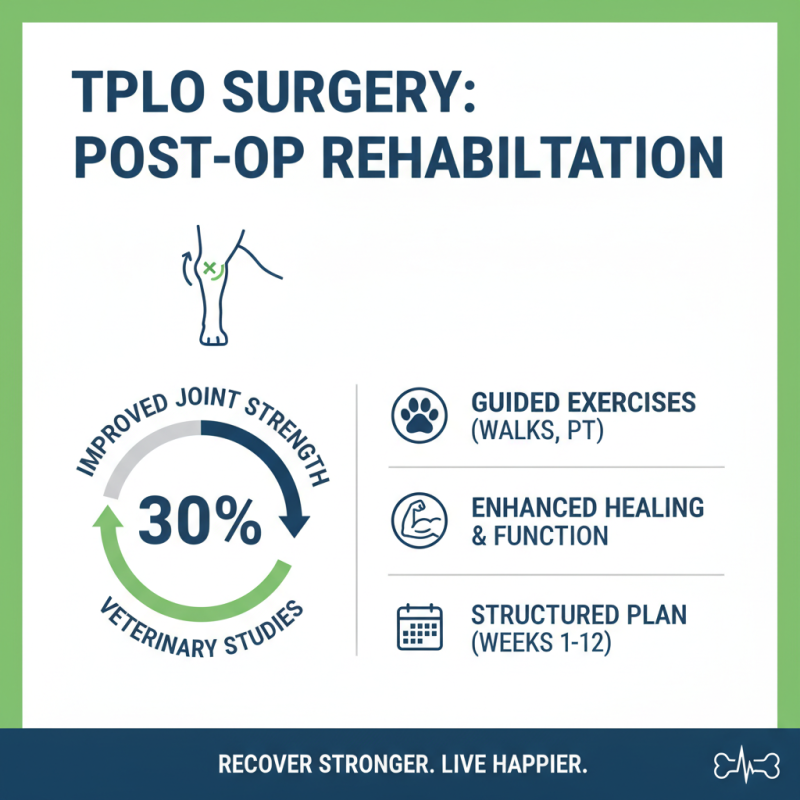
After a TPLO surgery, proper rehabilitation is crucial for your dog's recovery. Physical rehabilitation exercises can significantly enhance healing and functionality. According to veterinary studies, structured exercises post-surgery can improve joint strength by up to 30%. This data emphasizes the importance of a guided rehabilitation plan.

Begin with gentle range-of-motion exercises. These should be introduced about 2 weeks after surgery. Slowly move your dog's leg in circular motions. This promotes flexibility and prevents stiffness. Additionally, short, controlled walks on soft surfaces can help. Gradually increase these walks to build endurance.

Water therapy is also beneficial. Swimming or walking in shallow water reduces stress on the joints while providing resistance. Reports suggest that hydrotherapy can lead to improved muscle tone and reduced pain. Nevertheless, always monitor your dog closely. If there are signs of excessive discomfort, adjustments may be necessary. This mindful approach is key to ensuring a successful recovery for your dog.

Signs of Complications to Watch For During Recovery After TPLO Surgery

Recovering from TPLO surgery can be challenging for your dog. It’s crucial to closely monitor any signs of complications. Watch out for swelling around the surgical site. If you see increased redness or warmth, that could be a problem. Your dog’s pain level should decrease after the surgery. If they seem more vocal or restless, it might indicate discomfort.

Another key sign to observe is limping. A slight limp is expected during recovery, but if it worsens, it’s concerning. Keep an eye on their appetite. If your dog refuses food or water for more than a day, consult your vet. Also, look for unusual behaviors. If they hide or seem withdrawn, this could signal distress.

Don’t rush the recovery process. Healing takes time. Limit their activity according to your vet's recommendations. Sometimes, it's hard to tell if your dog is in pain. Be vigilant and patient. Over time, you will learn what is normal for your pet.