



What is a Virtual Vet and How Can It Benefit Your Pet's Health?

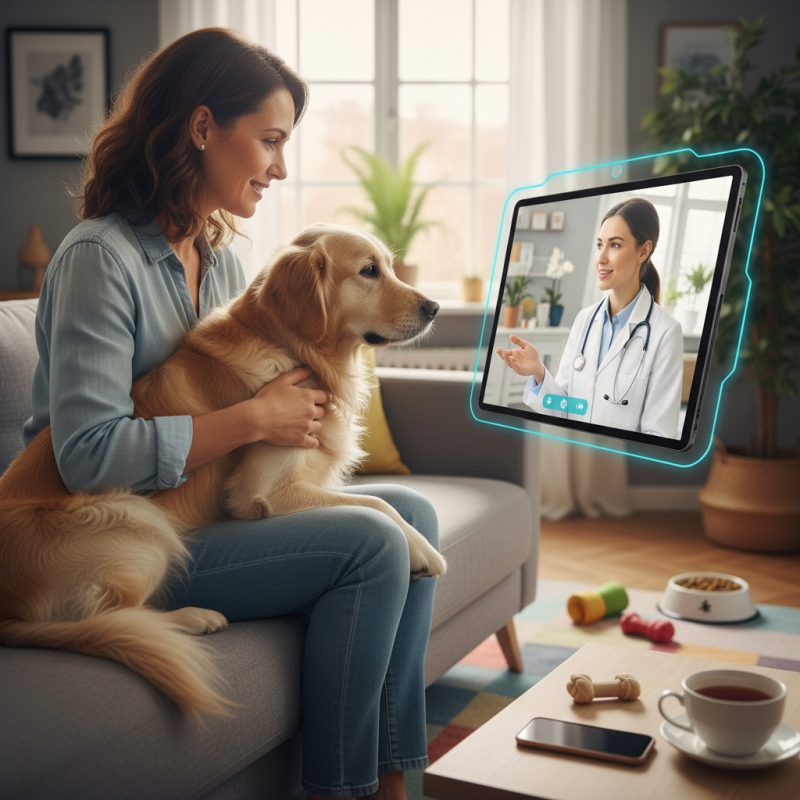
In today's fast-paced world, pet owners seek efficient and accessible ways to care for their furry friends. Enter the "virtual vet." This innovative service allows pet owners to consult with licensed veterinarians from the comfort of their homes. Imagine discussing your pet's health without the stress of a clinic visit. This can be particularly beneficial for busy families or those living in remote areas.

Virtual vets provide a range of services, from routine check-ups to urgent advice. They can diagnose common issues through video consultations and offer guidance on treatments. Access to professional advice is just a click away, which can enhance your pet's well-being. However, the reliance on virtual consultations raises questions. Some pet owners may wonder about the limitations of not seeing a veterinarian in person.

While a virtual vet offers convenience, it may not replace all traditional veterinary care. Certain conditions require physical examinations. Pet owners must weigh the benefits against potential shortcomings. Ultimately, understanding how to use virtual vet services effectively can significantly improve your pet's health care experience.

What is a Virtual Vet and How Can It Benefit Your Pet's Health?

Understanding the Concept of Virtual Veterinary Services

Virtual veterinary services are transforming pet care. These online platforms allow pet owners to consult with veterinarians from the comfort of their homes. This convenient option is especially beneficial for pet owners who live in remote areas. It eliminates travel stress for both pets and their owners. Virtual vets provide advice on minor health issues and can guide you in emergencies.

In these online sessions, vets can evaluate symptoms through video calls. They can advise on medication and diet without requiring an in-person visit. However, this service has its limits. Some conditions need a physical examination, which virtual consultations cannot provide. It's essential for owners to recognize when to seek in-person care.

Establishing a trustworthy relationship with a virtual vet is crucial. Look for experienced professionals with positive reviews. Many platforms offer a variety of vet specialties. Despite the convenience of virtual visits, some pet owners may find it hard to adjust. Pets may not behave the same way during video calls as they do in person. This can complicate diagnostics. Adapting to this new form of care requires patience and understanding.

What is a Virtual Vet and How Can It Benefit Your Pet's Health?

Service Description Benefits Considerations
Telemedicine Consultations Virtual consultations via video call for diagnosis and advice. Convenience, immediate advice, reduced travel time. Not suitable for emergencies or hands-on examinations.
Virtual Follow-Up Appointments Check-ins to monitor pet health post-treatment. Easy tracking of recovery, reduced need for in-person visits. Limited physical assessments.
Online Health Assessments Questionnaires to evaluate health concerns. Quick evaluation, comprehensive data collection. Reliance on owner-reported data.
Prescription Refills Remote approval for medication refills. Timely access to necessary medications. Requires prior vet-client relationship.
Advice for Behavior Issues Consultations to address behavioral concerns. Expert insights can help improve pet behavior. Behavior requires observation; may need in-person follow-up.

Key Features of Virtual Vet Consultations

What is a Virtual Vet and How Can It Benefit Your Pet's Health?

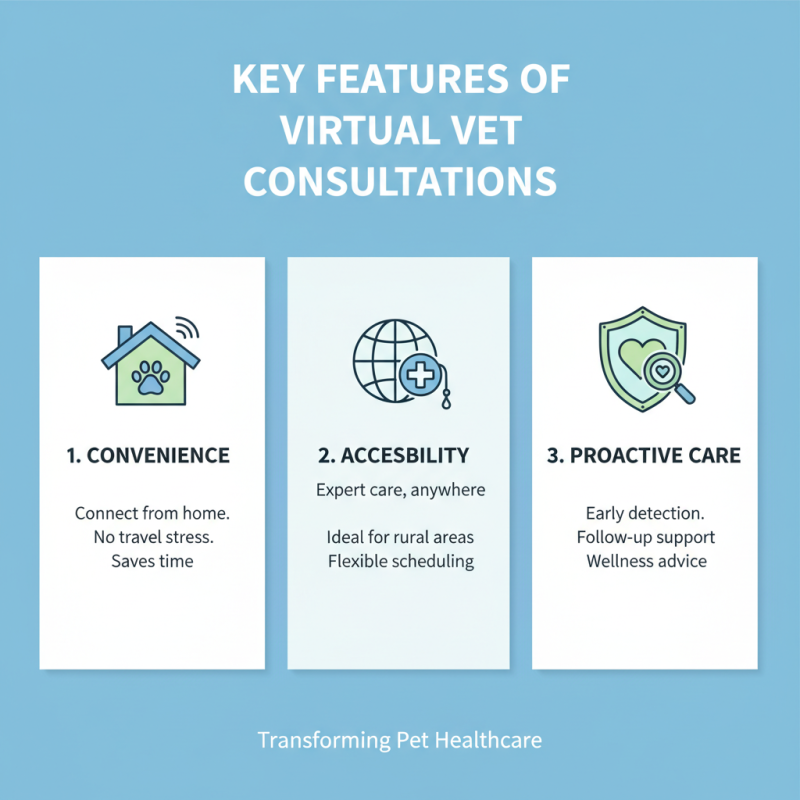
Virtual vet consultations are transforming pet healthcare. They offer unique benefits that traditional in-person visits cannot always provide. One key feature is convenience. Pet owners can connect with veterinarians from the comfort of home. This saves time, especially for those with busy schedules. You can simply log in, and discuss your pet's issues without the stress of travel.

Another important aspect is accessibility. Virtual vets can provide expertise regardless of your location. This is especially helpful for pet owners in rural areas. Access to specialists is often limited in these regions. Moreover, virtual consultations allow for quick follow-ups. Pet owners can address new concerns as they arise, promoting ongoing health management.

However, it’s crucial to note the limitations. Some conditions require physical exams for proper diagnosis. In those cases, virtual consultations may not fully address health issues. Also, the quality of video connections can vary, affecting communication. It’s vital to assess when a virtual visit is appropriate. It’s better to seek a physical appointment if symptoms are severe. Finding the right balance is key to ensuring your pet remains healthy.

Benefits of Using Virtual Vet for Pet Health Management

Virtual veterinary services are gaining traction, offering unique advantages for pet health management. According to a 2022 study by the American Veterinary Medical Association, about 70% of pet owners express a preference for virtual consultations. This trend highlights convenience and accessibility as primary factors shaping pet care today. Busy schedules and transportation issues often hinder timely veterinary visits. Telemedicine allows pet owners to seek advice swiftly, ensuring that minor health concerns are addressed promptly.

One major benefit of using virtual vet services is the ability to access specialized expertise. Many virtual platforms connect pet owners to a diverse pool of veterinarians across the country. This enables tailored care for specific conditions, such as dermatological issues or behavioral problems. A survey from Pethealth Inc. indicated that 65% of pet owners found that virtual visits improved their understanding of their pets' health. This enhanced knowledge empowers owners, fostering better decision-making regarding their pets’ care.

However, there are challenges. Some conditions require physical examinations, which virtual vets cannot provide. Pet owners must remain aware of when an in-person visit is essential. Additionally, the technology might not always be user-friendly, posing barriers for some individuals. The evolving landscape of veterinary telehealth shows promise, but pet owners must weigh the benefits against potential limitations.

Common Reasons Pet Owners Choose Virtual Vet Services

What is a Virtual Vet and How Can It Benefit Your Pet's Health?

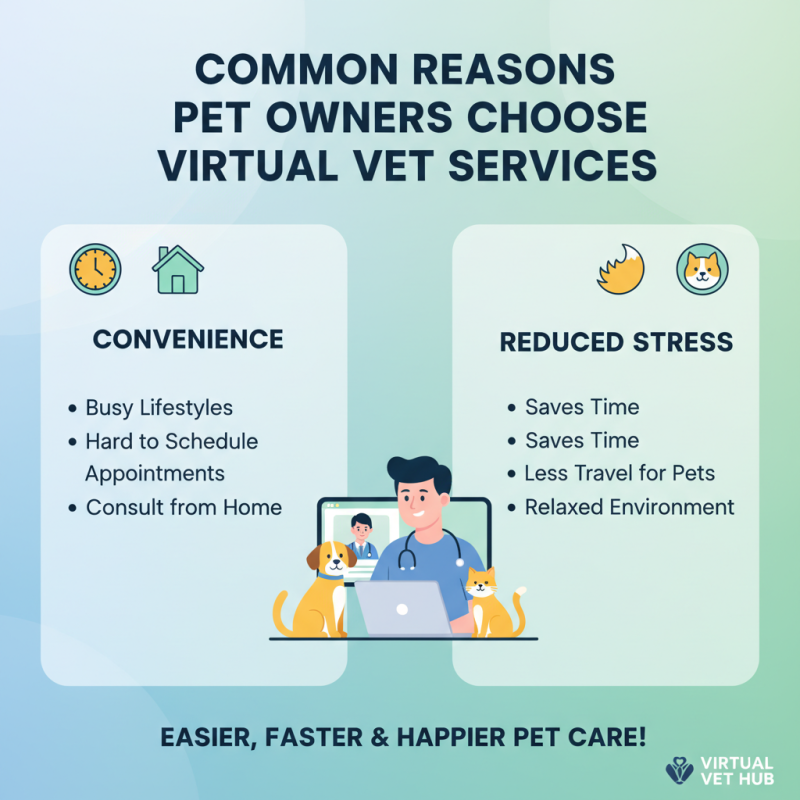
Virtual vet services have become increasingly popular among pet owners. One major reason is convenience. Busy lifestyles make it hard to schedule appointments. With virtual visits, pet owners can consult professionals from home. This saves time and reduces stress for both pets and owners.

Another reason for choosing virtual vet services is access to expertise. Not all areas have specialized veterinarians. Through virtual services, pet owners can connect with experts who may not be nearby. This opens doors to better advice and tailored care for their pets. Moreover, it allows for quick consultations without the hassle of long waits in a clinic.

Pet owners also appreciate the up-to-date resources available through virtual vet platforms. Many offer articles, webinars, and advice right at your fingertips. Yet, not all online resources provide credible information. It’s essential to verify the sources. Pets may not respond the same way to virtual care as they would in person. It's important to monitor their health closely. While virtual vet services can be helpful, they are not a cure-all and should complement regular veterinary visits.

Limitations and Considerations of Virtual Veterinary Care

Virtual veterinary care offers convenience but comes with limitations. One major limitation is the inability to perform physical examinations. Pets need hands-on evaluation for accurate diagnosis. A virtual vet may miss signs of pain or discomfort that only a vet can detect in person.

Technical issues can also arise. Poor internet connection may hinder communication. A pet owner might struggle to explain the pet's condition clearly. This can lead to misunderstandings and ineffective recommendations.

Another concern is the lack of immediate interventions. In urgent cases, virtual consultations cannot replace emergency care. Owners must still know when to seek in-person help. Balancing virtual advice with traditional care requires careful consideration. Each option has its strengths and weaknesses.