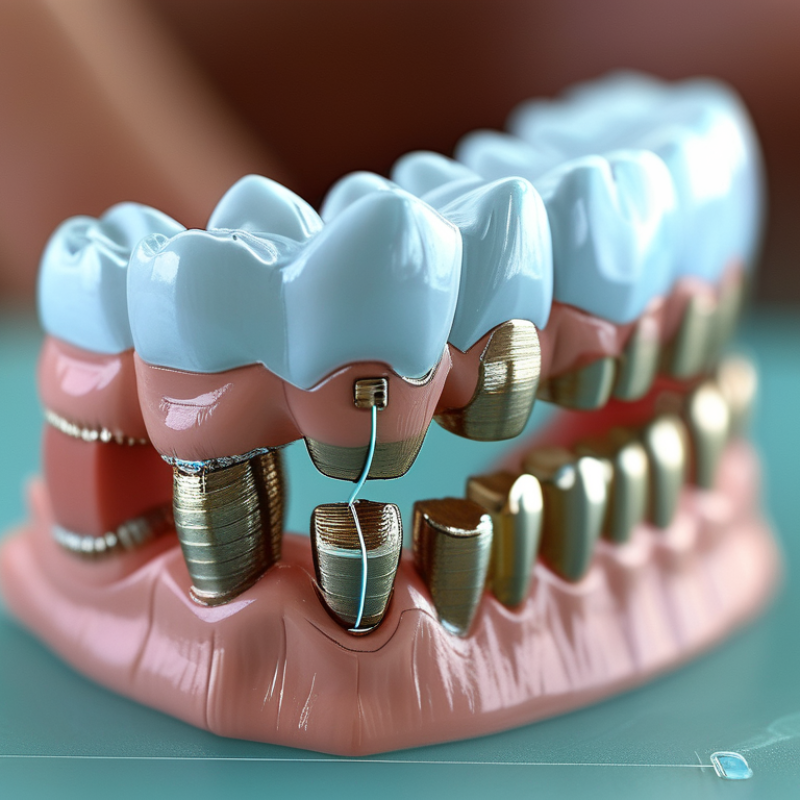
| Definition | Clear self-ligating braces are fixed orthodontic appliances that use tooth-coloured or transparent brackets with built-in clips or doors to hold the archwire. | They do not normally require small elastic ligatures to secure the wire. |
| Appearance | The ceramic or clear bracket material is less noticeable than traditional metal brackets, although the archwire and other components may still be visible. | Clear brackets improve visual discretion but are not completely invisible. |
| How They Move Teeth | Brackets and archwires apply controlled forces to gradually guide teeth into improved positions. | Tooth movement depends on the treatment plan, biology, appliance design, and patient cooperation—not on the bracket colour alone. |
| Self-Ligating Mechanism | The built-in clip or sliding door helps retain the archwire and can make wire changes more straightforward during appointments. | Self-ligating braces are not proven to produce faster overall treatment or consistently less discomfort for every patient. |
| Typical Treatment Length | Treatment commonly lasts approximately 18–30 months, but the actual duration varies substantially between patients. | Complex tooth movements, missed appointments, broken brackets, and poor oral hygiene can extend treatment. |
| Appointment Pattern | Orthodontic reviews are often arranged about every 6–10 weeks, depending on the stage of treatment and the clinician’s protocol. | Regular visits are needed to monitor tooth movement, replace or adjust wires, and check the brackets and gums. |
| Daily Brushing | Brush at least twice daily with fluoride toothpaste, cleaning above, around, and below each bracket. | A small orthodontic or single-tuft brush can help reach areas that a standard toothbrush may miss. |
| Interdental Cleaning | Clean between teeth and under the archwire every day using interdental brushes, floss threaders, or another recommended device. | Daily interdental cleaning helps reduce plaque accumulation, gum inflammation, and decalcified white marks. |
| Dietary Care | Limit hard, crunchy, sticky, and chewy foods that may damage brackets or dislodge the archwire. | Cut firm foods into small pieces and avoid biting directly into hard foods such as ice or hard sweets. |
| Staining Risk | Ceramic brackets are generally resistant to staining, but plaque, food debris, and some associated elastic components may become discoloured. | Good brushing and limiting frequent staining drinks can help maintain a cleaner appearance. |
| Comfort | Pressure, tenderness, or mild irritation is common for a few days after fitting or adjustment. | Soft foods, orthodontic wax, and ordinary pain-relief measures recommended by a healthcare professional may help. |
| Oral Health Risks | Fixed braces can increase plaque-retention areas and the risk of tooth decay, gum inflammation, and permanent white-spot lesions if cleaning is inadequate. | Fluoride use, professional dental care, and careful daily hygiene are essential throughout treatment. |
| Possible Repairs | Clear brackets can chip or fracture, and any bracket or wire may loosen or break during treatment. | Contact the orthodontic practice promptly if a component becomes loose, sharp, or uncomfortable. |
| Suitable Patients | They may be suitable for teenagers and adults who need fixed orthodontic treatment and prefer a less noticeable appearance. | Suitability depends on tooth position, bite relationship, jaw growth, oral health, treatment goals, and the clinician’s assessment. |
| Patients Requiring Caution | Extra assessment may be needed for patients with poor plaque control, active tooth decay, gum disease, severe enamel wear, or a high risk of bracket damage. | Oral disease should generally be controlled before fixed orthodontic treatment begins. |
| After Treatment | Teeth can shift after braces are removed because the tissues and supporting structures need time to adapt. | Retainers are usually required to maintain the result, according to the orthodontist’s instructions. |
| Overall Suitability | Individual assessment required | A dental or orthodontic examination is necessary to confirm whether clear self-ligating braces are appropriate for a specific patient. |