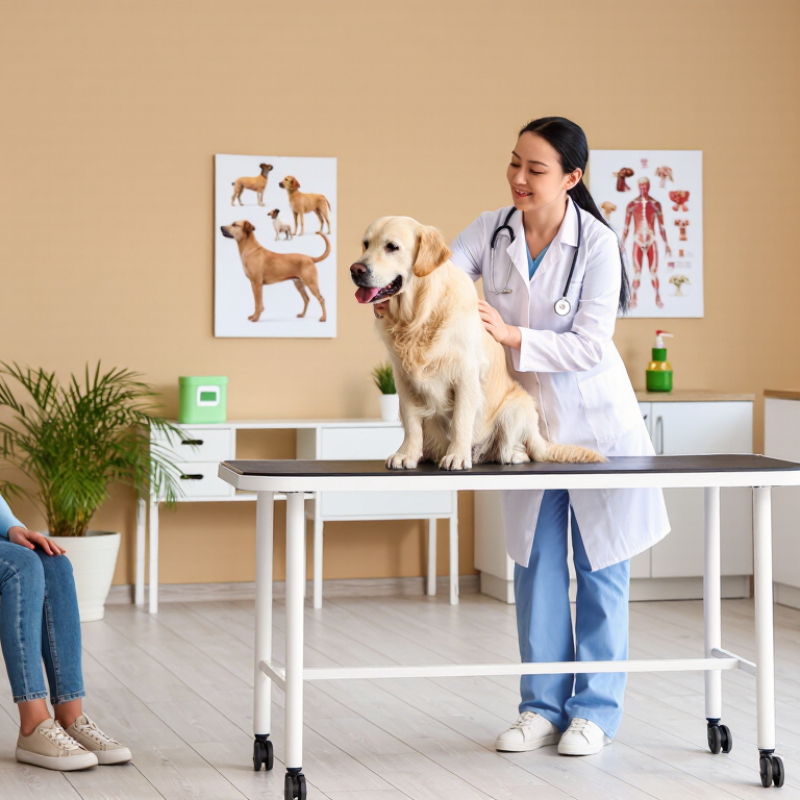
Why Choose a Veterinary Clinic for Pet Health?

Choosing a veterinary clinic is an important decision for every responsible pet owner. It affects more than annual vaccinations. It shapes your pet’s comfort, prevention, diagnosis, and long-term quality of life.

A trusted veterinary clinic combines medical training with careful observation. During an examination, a veterinarian may notice subtle signs, such as cloudy eyes, dental odor, or a changed breathing pattern. These details can reveal problems before they become painful or expensive. Regular visits also create a reliable health record, helping the team understand your pet’s normal behavior and medical history.

Dr. Marty Becker, a widely recognized veterinarian and advocate for the human-animal bond, said, “The human-animal bond is the emotional, physical, and psychological connection between people and animals.” That connection deserves professional support, not guesswork from internet searches. A skilled clinic can provide preventive care, nutritional guidance, diagnostic testing, parasite control, and treatment plans suited to an animal’s age and lifestyle.

Good care is personal. A nervous cat may need a quieter room. An older dog may require gentle handling and pain assessment. These small choices matter.

No clinic is perfect. That is worth admitting. Owners should ask about qualifications, emergency arrangements, communication, and follow-up care. They should also notice whether staff listen without rushing. A dependable veterinary clinic explains options clearly, respects informed decisions, and treats each animal as an individual. In the right setting, routine care becomes a practical investment in health, trust, and many more comfortable years together.

Why Choose a Veterinary Clinic for Pet Health?

Veterinary Clinics as Primary Care: APPA Reports 66% of U.S. Homes Own Pets

Why Choose a Veterinary Clinic for Pet Health?

The American Pet Products Association reports that 66% of U.S. households own pets. That figure reflects more than companionship. It also shows why accessible veterinary care matters to millions of families. A veterinary clinic can provide routine examinations, vaccinations, dental assessments, parasite control, and nutritional guidance in one setting. These services help detect quiet problems before a pet stops eating or becomes visibly weak.

A physical examination may reveal subtle changes, such as cloudy eyes, tartar near the gums, or a slower heart rhythm. Veterinary professionals can compare these findings with previous records. They may also recommend blood tests or imaging when symptoms remain unclear. This process supports decisions based on evidence, not guesswork. Pet owners should ask about treatment benefits, possible risks, and follow-up care. Clear questions improve trust.

Small details matter.

A clinic visit is not always easy. Some pets shake in the waiting room, while others hide beneath a chair. Owners may also postpone care because their pet seems healthy. That choice can be understandable, but it is not always safe. I have noticed that preventive appointments are easier to value after a problem appears. That is an uncomfortable lesson. Regular veterinary care gives pets a documented health history and gives families a clearer plan when unexpected changes occur.

Why Choose a Veterinary Clinic for Pet Health?

U.S. household pet ownership has remained high, reinforcing the importance of accessible veterinary clinics for preventive and ongoing care.

The latest estimate shows that 66% of U.S. households owned at least one pet in 2023–2024. A large pet-owning population creates sustained demand for veterinary clinics that provide vaccinations, wellness examinations, diagnosis, treatment, and preventive guidance.

Preventive Vaccination and Parasite Control: WHO Links Rabies to 59,000 Deaths

A veterinary clinic turns prevention into a practical health plan.

Rabies remains a serious global threat, despite being preventable through vaccination. The World Health Organization estimates that rabies causes about 59,000 human deaths each year, mainly in Africa and Asia.

Dogs transmit approximately 99% of human rabies cases, according to WHO’s rabies fact sheet. A clinic can check vaccination history, assess local exposure risks, and schedule legally required boosters.

Parasite control matters too. Fleas, ticks, heartworms, and intestinal worms can affect pets and sometimes people. The Centers for Disease Control and Prevention identifies several zoonotic parasites that can spread through contaminated soil, feces, or insects. A veterinary examination may include fecal testing, heartworm screening, and a review of the pet’s living environment. These details matter when a dog visits parks or a cat hunts outdoors.

Prevention is not perfect. Missed doses happen. Resistance and changing parasite patterns also deserve attention. A 2023 report from the European Scientific Counsel Companion Animal Parasites emphasized regular risk assessment rather than identical treatment for every animal. That approach feels more realistic. A veterinarian can adjust protection for age, travel, pregnancy, climate, and household exposure. Keep records nearby. Ask clear questions. Early action is often easier than treating a painful, expensive illness.

Clinical Diagnostics and Early Detection: AAHA Notes Dental Disease in 80% of Dogs

Why Choose a Veterinary Clinic for Pet Health?

Dental disease is not a minor cosmetic problem. The American Animal Hospital Association reports that more than 80% of dogs over three years old have periodontal disease. The same guidelines estimate dental disease in over 70% of cats in that age group. These figures deserve attention, but they are not perfect. Definitions and study populations can differ. Still, a dog with red gums, bad breath, or difficulty chewing may already need professional care.

Veterinary clinics can detect problems below the gumline, where home checks cannot reach. A complete dental assessment may include gum probing, blood testing, and dental radiographs under monitored anesthesia. The World Small Animal Veterinary Association identifies periodontal disease as the most common clinical condition in adult dogs and cats. Early findings can also reveal fractured teeth, oral masses, kidney concerns, or other health changes. Small details matter. A swollen gum can hide painful bone loss.

Owners often notice breath first. That is useful, but late. Veterinary teams should explain each finding clearly and discuss prevention, including brushing, diet, and scheduled examinations. Home care helps, yet it cannot replace clinical diagnostics. I sometimes think routine dental checks are underestimated because pets hide pain well. That assumption needs challenging.

Why Choose a Veterinary Clinic for Pet Health? — Clinical Diagnostics and Early Detection: Dental Disease in 80% of Dogs

A veterinary clinic combines physical examinations, preventive screening, laboratory testing, and professional dental assessment to identify health problems before they become advanced.
Health Area Clinical Assessment Early Warning Signs Common Diagnostic Tools Evidence-Based Data or Timing Why Early Detection Matters
Dental and Oral Health Inspection of the teeth, gums, tongue, oral tissues, and jaw during a physical examination. Bad breath, red or bleeding gums, visible tartar, chewing difficulty, dropping food, or reduced appetite. Oral examination, periodontal probing, dental radiographs when indicated, and professional cleaning under anesthesia when treatment is required. About 80% of dogs older than three years are commonly reported in veterinary guidance to have some form of periodontal disease. Untreated periodontal disease can cause pain, tooth loss, and progressive damage to tissues supporting the teeth.
General Wellness Evaluation of body weight, body condition, hydration, skin, coat, eyes, ears, heart, lungs, abdomen, and mobility. Weight change, reduced activity, persistent itching, coughing, vomiting, diarrhea, or changes in drinking and urination. Complete physical examination supported by a detailed history and weight trend. Healthy adult pets generally benefit from at least an annual examination; younger, older, or chronically ill pets may need more frequent visits. Routine examinations can reveal subtle changes before an illness produces severe or obvious symptoms.
Blood Screening Assessment of red and white blood cells, platelets, organ-related enzymes, electrolytes, glucose, and proteins. Fatigue, pale gums, unexplained weight loss, appetite changes, recurrent infections, or increased thirst. Complete blood count and serum biochemistry profile, selected according to age, history, and clinical findings. Screening frequency is individualized; testing is especially useful before anesthesia, during illness, or when monitoring long-term treatment. Blood testing may detect anemia, inflammation, infection, organ dysfunction, or metabolic abnormalities that are not visible externally.
Urinary and Kidney Health Review of urination habits, hydration status, blood pressure when appropriate, and kidney-related clinical signs. Frequent urination, straining, blood in urine, accidents indoors, excessive thirst, or reduced urine output. Urinalysis, urine specific gravity, kidney-related blood markers, and imaging when clinically indicated. Urinalysis can provide information about concentration, blood, protein, glucose, cells, crystals, and signs of infection. Early assessment can help identify urinary disease, dehydration, diabetes-related changes, or reduced kidney concentrating ability.
Parasite Prevention Risk assessment based on age, lifestyle, travel, outdoor exposure, diet, and contact with other animals. Coughing, diarrhea, poor growth, dull coat, itching, visible parasites, or unexplained anemia. Fecal examination, heartworm testing where relevant, skin examination, and parasite-specific tests. Testing and preventive plans should follow local parasite risks and the pet’s exposure profile; young animals often require repeated fecal evaluations. Parasites may cause gastrointestinal disease, anemia, skin problems, or illnesses that can also affect people.
Vaccination and Infection Risk Review of vaccination history, lifestyle, geographic exposure, boarding, grooming, and contact with unfamiliar animals. Fever, nasal or eye discharge, coughing, vomiting, diarrhea, lethargy, or sudden loss of appetite. Medical history, physical examination, targeted laboratory tests, and diagnostic imaging when needed. Vaccination schedules vary by species, age, health status, exposure risk, and local regulations; not every vaccine is needed at the same interval. Individualized preventive care reduces avoidable infection risk while limiting unnecessary interventions.
Senior-Pet Monitoring Comparison with previous weight, mobility, behavior, appetite, cognition, and organ-health measurements. Stiffness, confusion, sleep changes, weight loss, reduced grooming, increased thirst, or difficulty climbing stairs. Physical examination, blood and urine testing, blood pressure measurement, and imaging based on findings. Older pets often benefit from examinations more frequently than once yearly, with timing determined by species, age, and medical history. Regular monitoring helps distinguish normal aging from treatable pain, endocrine disease, kidney disease, or other chronic conditions.
Diagnostic Imaging Selection of imaging based on the body system involved and the clinical question. Persistent pain, lameness, abdominal enlargement, breathing difficulty, repeated vomiting, or unexplained weight loss. Radiography, ultrasound, or other imaging modalities when justified by the examination and history. Imaging is not automatically required for every visit; it is chosen when examination findings suggest an internal structural problem. Imaging can identify fractures, foreign bodies, organ changes, masses, fluid accumulation, or other conditions that cannot be assessed externally.
Clinical note: The “80%” dental figure refers to the commonly cited estimate that most dogs older than three years have some degree of periodontal disease. A veterinarian should confirm the individual pet’s condition through an oral examination and recommend further diagnostics or treatment based on the findings.

Surgery, Pain Management, and Medication Under Licensed Veterinary Oversight

Why Choose a Veterinary Clinic for Pet Health?

Surgery, Pain Management, and Medication Under Licensed Veterinary Oversight

A veterinary clinic provides structured care before, during, and after surgery. Licensed veterinarians examine each pet’s weight, age, medical history, and current symptoms. These details guide anesthesia, surgical planning, and medication choices. A quiet examination room, sterile instruments, and monitored vital signs can reduce preventable risks.

Pain management should never follow a guess. Veterinarians may combine prescribed medication, careful dosing, rest, and gentle movement. They also watch breathing, appetite, temperature, and behavior during recovery. A dog refusing food or a cat hiding more than usual may need reassessment. Small changes matter. Never give human pain medicine without veterinary direction.

Medication plans require equal care. The correct dose depends on species, body weight, organ health, and other treatments. Clinics can explain timing, possible side effects, and safe storage. Follow-up visits help confirm whether healing is progressing or the plan needs adjustment.

Even experienced teams cannot predict every response. That is worth remembering. Owners may also miss subtle discomfort at home, despite their best efforts. Honest observations, accurate records, and prompt communication help the veterinary team make safer decisions.

Emergency and Chronic-Disease Care Through Multidisciplinary Clinic Services

Why Choose a Veterinary Clinic for Pet Health?

Emergency and chronic disease care often overlap. A dog may arrive panting, vomiting, and weak. The same signs can reflect poisoning, heart disease, or kidney failure. A veterinary clinic can provide rapid triage, blood testing, imaging, surgery, and monitored recovery in one setting. These services reduce delays when minutes matter. They also support safer decisions after the crisis ends.

Chronic illness needs coordinated care. Internal medicine staff can track diabetes, arthritis, kidney disease, or recurring seizures. Nurses may record appetite, breathing, pain, and medication changes between examinations. Nutrition and rehabilitation support can then adjust the daily plan.

The American Pet Products Association’s 2023–2024 National Pet Owners Survey estimated that 66% of U.S. households own a pet. That scale makes accessible, continuous care increasingly important.

The American Veterinary Medical Association also emphasizes preventive examinations and individualized treatment plans. In practice, regular visits can reveal subtle weight loss, dental pain, or changes in drinking habits. Small details matter.

Still, no clinic gets every case right. Symptoms can be unclear, records may be incomplete, and owners may delay care because costs feel uncertain. Honest communication helps. Ask how emergencies are handled, which specialists are available, and how follow-up will be managed. A reliable clinic explains risks, options, and warning signs without promising perfect outcomes.