
What is a Dog Orthopedic Surgeon and When Do You Need One?

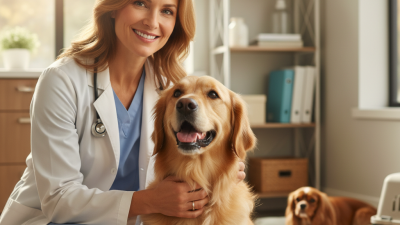
When your beloved dog faces orthopedic issues, a dog orthopedic surgeon may be the answer. These specialists focus on diagnosing and treating conditions affecting your pet’s bones, joints, and soft tissues. Dr. Alice Thompson, a renowned dog orthopedic surgeon, emphasizes, "Timely intervention can make all the difference in recovery." This highlights the importance of recognizing when to seek such expertise.

Dogs can suffer from various orthopedic problems, including arthritis, fractures, and ligament tears. Knowing the right time to consult a dog orthopedic surgeon can be crucial. For example, if your dog limps or struggles to jump, it might be time to seek help. Ignoring these signs could lead to more significant issues later on.

While some may hesitate to consult a specialist, it's essential to trust your instincts. You know your pet best. Delaying care may lead to long-term pain and discomfort for your furry friend. Consider a visit to a dog orthopedic surgeon as a proactive step in ensuring your dog's health and happiness.

What is a Dog Orthopedic Surgeon and When Do You Need One?

What is a Dog Orthopedic Surgeon?

A dog orthopedic surgeon specializes in diagnosing and treating musculoskeletal issues in dogs. These veterinarians have advanced training in surgery, radiology, and rehabilitation. Their expertise is crucial for treating conditions like hip dysplasia, ligament tears, and bone fractures. According to the American Veterinary Medical Association, over 20% of dogs are affected by orthopedic problems at some point in their lives.

When a dog exhibits symptoms like limping, difficulty jumping, or reluctance to play, seeing an orthopedic surgeon is essential. Radiographic imaging assists in identifying underlying issues that may not be visible during a physical examination. It's important to note that not all injuries require surgery. Some cases may benefit from physical therapy or medication. Understanding when to seek help can prevent potential long-term damage to your pet's joints and overall well-being.

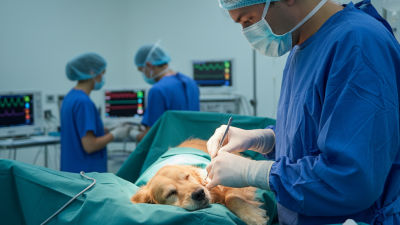
While orthopedic surgery can improve the quality of life for many dogs, it is not without risks. Post-surgical complications can occur, and recovery may be lengthy. Consulting with a qualified orthopedic surgeon can provide clarity on the best course of action for your pet. They can guide you through the pros and cons of surgical intervention, ensuring that you make an informed decision.

Dog Orthopedic Surgeons: Types of Surgeries Performed

The Role and Responsibilities of a Canine Orthopedic Surgeon

Canine orthopedic surgeons specialize in diagnosing and treating musculoskeletal issues in dogs. They focus on bones, joints, ligaments, and tendons. These veterinarians undergo extensive training beyond a typical veterinary degree. Their expertise is crucial when a dog suffers from injuries, arthritis, or congenital defects.

The role of a dog orthopedic surgeon goes beyond surgery. They perform thorough evaluations, using imaging techniques like X-rays or MRIs. They develop tailored treatment plans based on the dog's specific needs. Rehabilitation strategies often accompany surgical procedures. These may include physical therapy and weight management. A successful recovery requires proper follow-up care.

Pet owners may wonder when to seek an orthopedic surgeon’s help. Signs include limping, obvious pain, or difficulty in movement. Early intervention is vital to prevent further damage. While some conditions may require surgery, others can be managed with medication and lifestyle changes. In any case, consultation with a specialist can provide clarity on the best course of action.

What is a Dog Orthopedic Surgeon and When Do You Need One?

Aspect Details
Definition A veterinarian specializing in the diagnosis and treatment of orthopedic conditions in dogs.
Common Conditions Treated Fractures, ligament tears, hip dysplasia, and arthritis.
Signs Your Dog Needs an Orthopedic Surgeon Limping, reluctance to play or exercise, difficulty rising, and visible swelling.
Typical Procedures Surgery for fractures, joint stabilization, arthroscopy, and total joint replacement.
Post-Surgery Care Pain management, restricted activity, and follow-up visits for monitoring recovery.
Referral Process Typically involves a referral from a general veterinarian after initial assessment.

Common Conditions Treated by Dog Orthopedic Surgeons

Dog orthopedic surgeons specialize in diagnosing and treating musculoskeletal issues in dogs. Common conditions seen by these specialists include hip dysplasia, cruciate ligament tears, and fractures. According to a veterinary report, nearly 20% of dogs will experience some form of orthopedic issue in their lifetime.

Hip dysplasia is particularly prevalent among larger breeds. This condition causes joint pain and mobility issues. Surgery often becomes necessary to alleviate discomfort. Cruciate ligament injuries are also frequent, especially in active dogs. The condition can severely impede a dog’s ability to walk or run. Repairing these injuries requires specialized surgical knowledge.

Fractures often result from accidents or falls. Recovery from fractures can be long, requiring both surgery and physical therapy. Many dog owners may not realize the full extent of recovery, sometimes leading to frustration. Regular follow-up and rehabilitation are crucial for successful outcomes. Pain management also plays an essential role in the recovery process. In many cases, the owners’ understanding of these conditions can significantly affect their dog’s recovery journey. Recognizing the signs early can lead to better treatment options.

Signs Your Dog Might Need an Orthopedic Specialist

As a loving dog owner, it's important to recognize when your furry friend may need help from an orthopedic specialist. Certain signs can indicate that your dog is experiencing discomfort or pain related to their bones, joints, or muscles. Look for changes in behavior, such as reluctance to jump or play. Stiffness after resting is another common sign. They may also show signs of limping or favoring one leg. If your dog seems more irritable or sensitive to touch, it’s time to consult a professional.

Pay attention to how your dog moves. Sudden changes in their gait are not normal. A dog that used to sprint may start dragging its feet. These subtle shifts can indicate underlying issues that need expert evaluation. Regular check-ups can be beneficial, especially for older pets. Their joint health can deteriorate over time.

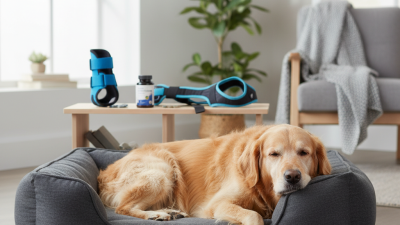
When you suspect an orthopedic problem, try to keep your dog comfortable. A supportive bed can help reduce strain on their joints. Avoid unnecessary exercise until a vet has assessed the situation. Always monitor their weight, as extra pounds can contribute to joint stress. It’s vital to take these symptoms seriously. Prompt action can prevent more severe issues in the future.

What to Expect During an Orthopedic Consultation for Your Dog

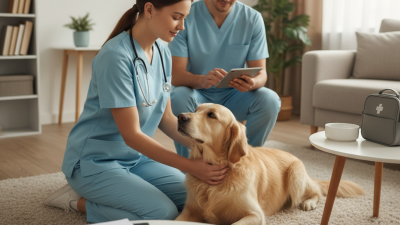
When you take your dog to an orthopedic consultation, expect a thorough examination. The surgeon will assess your dog's physical condition. This includes checking for signs of pain, swelling, or limping. A study indicated that about 30-50% of dogs experience orthopedic issues at some point in their lives. Identifying these symptoms early can be crucial for treatment.

During the consultation, the surgeon may recommend diagnostic imaging. X-rays or MRIs help reveal underlying problems not visible during a physical exam. More than 60% of orthopedic cases require imaging to make accurate diagnoses. It's essential to be prepared for questions about your dog's activity level and behavior. Your responses provide valuable information for the surgeon.

The discussion will cover potential treatment options. Some conditions may benefit from physical therapy, while others might need surgical intervention. Depending on the dog's age and weight, different approaches may be recommended. It's important to remember that not all treatments yield the same results. Open conversations about risks and expected outcomes are vital to making informed decisions for your dog's health.