How to Find the Best Orthopedic Veterinarian in China?

Choosing an orthopedic veterinarian in China begins with a practical question: who can assess your animal’s pain, explain the options, and support recovery? The need is growing alongside pet care. The 2024 China Pet Industry White Paper estimated urban spending on dogs and cats at RMB 300.2 billion for 2024, following RMB 279.3 billion in 2023. These figures describe a large market, not the number of qualified orthopedic specialists. That distinction matters.

Orthopedic problems may involve fractures, ligament injuries, joint disease, or mobility changes. A careful assessment can include a physical examination, imaging, and a clear discussion of treatment choices. Look for relevant clinical experience, access to suitable diagnostic equipment, and transparent explanations of risks, costs, and follow-up care. Ask who will perform surgery, if needed, and how rehabilitation will be monitored. Small details count: a clinic should explain how your pet will be kept comfortable while waiting, and what signs require urgent review.

Credentials are only part of the picture. So is reputation. China’s veterinary services vary by city and clinic, and online reviews cannot prove surgical competence. Request records of relevant experience and seek a second opinion when recommendations remain unclear. I would not treat a polished website as proof; that is an easy mistake. The best choice is one whose advice is specific to your animal, whose limits are stated honestly, and whose team stays involved after the first appointment.

How to Find the Best Orthopedic Veterinarian in China?

Understand the Role of an Orthopedic Veterinarian

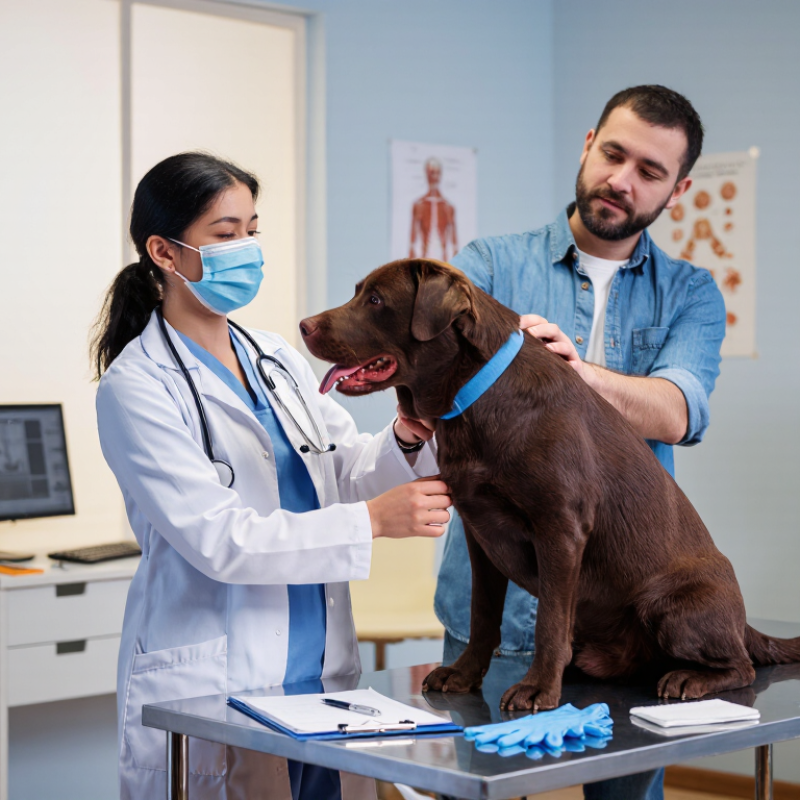
An orthopedic veterinarian treats bone, joint, ligament, and muscle problems in animals. Their work goes beyond repairing fractures. They assess pain, movement, age, weight, and daily habits before choosing treatment. A dog limping after a fall may need radiographs, joint tests, or advanced imaging. A cat hiding under furniture may show pain less clearly.

When looking for an orthopedic veterinarian in China, check professional qualifications and clinical experience. Ask how often the veterinarian handles fractures, cruciate ligament injuries, hip disease, and spinal conditions. A reliable clinic should explain imaging findings in plain language. It should also discuss anesthesia risks, expected recovery, costs, and possible complications.

Surgery is only one part.

A skilled veterinarian also plans rehabilitation. This may include controlled walking, wound checks, weight management, and gradual muscle training. Clear follow-up instructions matter, especially when the animal lives far from the clinic. Observe whether staff listen carefully and provide written guidance.

No clinician gets every case right. That deserves honesty. An experienced veterinarian should acknowledge uncertainty and suggest a second opinion when needed. I would also question promises of quick recovery, because healing varies between animals. A quiet examination room, clean equipment, careful pain assessment, and respectful communication can reveal more than impressive advertising.

Identify Your Pet’s Orthopedic Needs

Before looking for an orthopedic veterinarian, note what your pet can no longer do comfortably. Does your dog hesitate before jumping into the car, or does your cat avoid the sofa? Watch for limping, stiffness after rest, shortened strides, or reluctance on stairs. Small clues matter. Record when symptoms appear, which leg seems affected, and whether rest changes them. Short phone videos can help a veterinarian assess movement. These signs do not identify a specific injury. Not proof, though. Avoid repeatedly bending a sore limb to “test” it; that can cause distress and obscure useful observations.

Body condition is another part of the picture. The Association for Pet Obesity Prevention’s 2022 survey found that 59% of U.S. dogs were overweight or obese, based on veterinary assessments. This is not a China-specific estimate, but excess weight can add mechanical stress to joints. Ask your regular veterinarian whether your pet’s weight, age, breed, or past injury warrants an orthopedic assessment. Bring vaccination and treatment records, plus your symptom notes. A limp alone is not a diagnosis; sometimes the right next step is simply a careful examination and a clearer history.

How to Find the Best Orthopedic Veterinarian in China? — Identify Your Pet’s Orthopedic Needs

Start by noting your pet’s symptoms and how quickly they appeared. This practical triage guide can help you decide how soon to seek veterinary care; it is not a diagnosis or a validated scoring system.

Urgency levels: 1 = arrange a routine appointment; 2 = contact a veterinarian promptly; 3 = seek emergency veterinary care. Sudden inability to bear weight, visible limb deformity, or an open wound near a bone or joint warrants urgent assessment.

Verify Veterinary Credentials and Clinical Experience

How to Find the Best Orthopedic Veterinarian in China?

Verify Veterinary Credentials and Clinical Experience

Begin by checking the veterinarian’s current practicing certificate and the clinic’s animal diagnosis license. Local agricultural or veterinary authorities may provide verification channels. Do not rely only on certificates displayed on a wall. Ask where the veterinarian studied, how often they attend continuing education, and whether orthopedic treatment is a regular part of their work.

Experience should match your animal’s problem. Ask how many fracture repairs, cruciate ligament procedures, or joint examinations they perform each year. Request clear explanations of imaging findings, surgical options, anesthesia risks, and expected recovery. A reliable veterinarian should discuss complications without making perfect promises. Ask to see anonymized case images or treatment records, when privacy rules allow. Details matter.

Visit the consultation room if possible. Notice whether staff explain the estimate, pain control plan, and follow-up schedule. Ask who will monitor your pet during anesthesia and who handles overnight concerns.

A thoughtful clinician may recommend referral for complex cases. That is not weakness. It shows professional judgment. Still, online reviews can mislead, and one successful case proves little. Compare answers from two qualified veterinarians when the decision is difficult. Your questions may expose gaps in communication, but your own expectations may also need revision.

Assess Hospital Facilities and Treatment Options

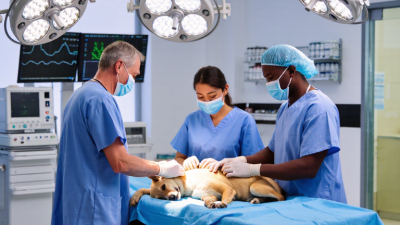
When comparing orthopedic veterinary hospitals in China, look beyond the waiting room. Ask whether imaging, surgery, and recovery care are available on site or arranged elsewhere. For a fracture, staff should explain how X-rays guide the plan and when advanced imaging may help. During a visit, notice whether surgical areas look clean and whether the team can describe anesthesia monitoring and pain control in plain language. A polished lobby proves little.

Ask which options fit your pet’s diagnosis, age, and daily activity. Treatment may involve rest, medication, surgery, or rehabilitation; each has different risks, costs, and follow-up needs. Request a written estimate and a clear recovery schedule, including wound checks, exercise limits, and signs that need urgent attention. Ask who will manage complications after discharge.

I would not judge a hospital by one impressive scan; equipment matters only when clinicians explain its purpose and limits. No facility can promise a perfect outcome. A careful discussion should leave you understanding the choices, not pressured to decide before your questions are answered.

Compare Communication, Costs, and Follow-Up Care

When comparing orthopedic veterinarians in China, look beyond a clinic’s equipment. Ask who will explain the diagnosis, whether you can see the imaging, and how the treatment plan may change if healing is slow. Clear answers matter. A 2024 China Pet Industry White Paper estimated the 2023 urban dog-and-cat consumer market at RMB 279.3 billion. That figure reflects a large, varied sector, not the quality of any individual clinic. Use it as context, not proof. Ask for an itemized estimate covering consultation, imaging, surgery, medication, and rehabilitation. Ask what could increase the cost, too.

Good communication should continue after surgery. Before agreeing, find out who answers questions outside appointments and how quickly the clinic usually responds. Ask how often follow-up checks are planned, what signs mean you should call, and whether exercises will be demonstrated in person. Specifics help. A written plan should name activity limits, wound-care steps, medication timing, and the next review date. If the explanation feels rushed, request a simpler version or a second opinion. I would also ask whether the proposed schedule fits your home and transport situation; owners sometimes miss visits for practical reasons, not lack of concern. Recovery rarely follows a perfect timetable. A clinic that acknowledges uncertainty and adjusts advice after examining your pet may be more useful than one promising a fixed result.

How to Find the Best Orthopedic Veterinarian in China? - Compare Communication, Costs, and Follow-Up Care

Facility Type Typical Orthopedic Services Communication Before Treatment Typical Initial Assessment Cost Typical Surgery Cost Follow-Up Care Best Fit
General Veterinary Hospital Basic fracture care, joint examinations, wound management, radiographs, and referrals for complex procedures. Usually handled in Mandarin; English support may depend on the individual veterinarian or hospital. Approximately RMB 200–800, excluding advanced imaging and laboratory tests. Approximately RMB 3,000–10,000 for less complex procedures. Routine rechecks may be available, but complex rehabilitation is often referred elsewhere. Minor injuries, routine evaluations, and budget-conscious owners.
Specialty Referral Hospital Orthopedic surgery, fracture fixation, cruciate ligament procedures, patellar luxation repair, CT, and advanced anesthesia monitoring. More structured consultations; bilingual communication may be available by appointment, but should be confirmed in advance. Approximately RMB 500–2,000, depending on imaging and diagnostic testing. Approximately RMB 8,000–30,000 or more, depending on procedure complexity, implants, and hospitalization. Scheduled orthopedic reviews, wound checks, rehabilitation planning, and progress imaging are commonly offered. Complex orthopedic conditions and owners seeking specialist-led treatment.
University-Affiliated Veterinary Hospital Specialist consultations, diagnostic imaging, orthopedic surgery, teaching-hospital case review, and multidisciplinary care. Medical explanations can be detailed; English availability varies by department and appointment schedule. Approximately RMB 300–1,500, excluding advanced diagnostic procedures. Approximately RMB 6,000–25,000, depending on surgery type and inpatient requirements. Follow-up may include scheduled consultations, but appointment availability and continuity can vary. Cases requiring specialist assessment, complex diagnostics, or a second opinion.
24-Hour Emergency Animal Hospital Emergency stabilization, pain control, trauma assessment, radiographs, urgent fracture management, and surgical referral. Fast initial communication is usually available; specialist consultation may occur later or during daytime hours. Approximately RMB 300–1,500, with emergency fees potentially increasing the total. Approximately RMB 8,000–35,000 for urgent or complex trauma surgery. Often provides inpatient monitoring and discharge instructions; confirm whether the same orthopedic team handles rechecks. Sudden fractures, dislocations, severe pain, or accidents requiring immediate care.
Local Clinic with Specialist Referral Initial examination, conservative treatment, medication management, basic imaging, and referral coordination. Communication is often more accessible because the local veterinarian remains the main contact person. Approximately RMB 150–700 for the local consultation, excluding referral-hospital charges. Referral surgery commonly ranges from RMB 6,000–30,000, depending on the receiving facility. Convenient local wound checks and medication reviews; advanced follow-up may require travel. Owners who need nearby support before and after specialist treatment.
Important cost note: The figures are indicative ranges in mainland China and may vary by city, animal size, implant type, anesthesia, imaging, hospitalization, medication, rehabilitation, and emergency status. Request a written estimate that separates consultation, diagnostics, surgery, implants, hospitalization, medication, and follow-up fees.