China Best Veterinary Orthopedic Surgeon How to Choose?
Choosing the best veterinary orthopedic surgeon in China requires more than reading online rankings. The word “best” depends on your animal’s injury, age, breed, and recovery needs. A trusted veterinary orthopedic surgeon should explain the diagnosis clearly, not simply recommend surgery. Ask about education, specialist training, hospital accreditation, and experience with procedures such as fracture repair, cruciate ligament surgery, or hip treatment.
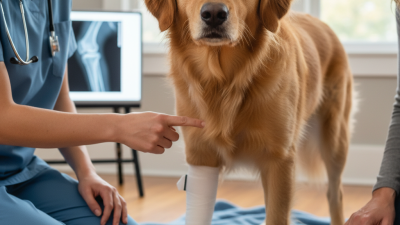
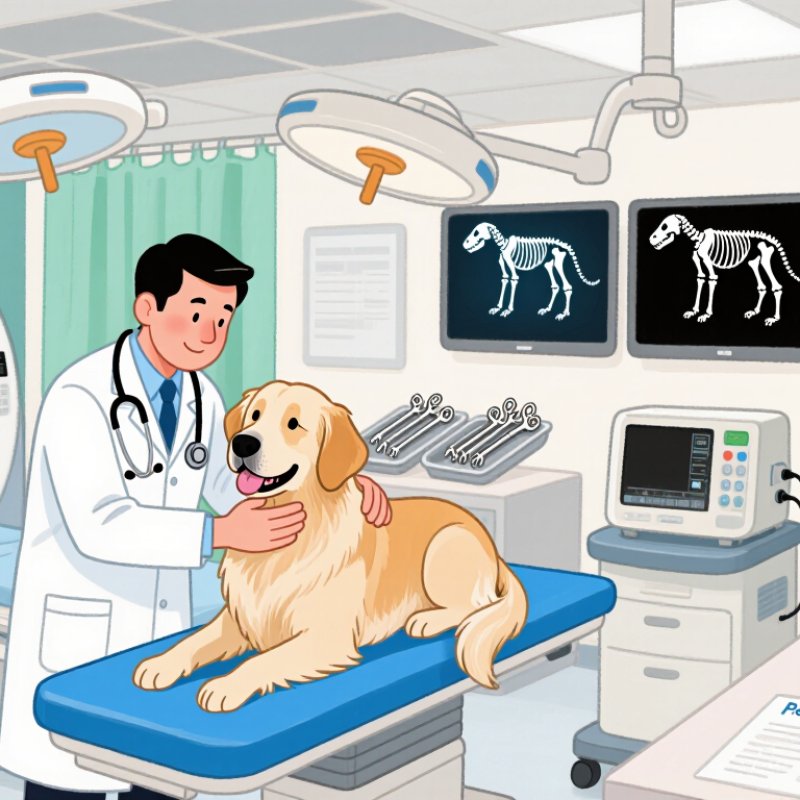
Look for practical evidence. Can the clinic provide digital radiography, CT imaging, sterile operating rooms, and reliable anesthesia monitoring? During a consultation, notice whether the surgeon examines your pet carefully. They should discuss surgical risks, expected costs, pain control, and rehabilitation in understandable language. A good surgeon may show imaging on a screen and explain why a metal plate, screw, or conservative treatment is appropriate. Small details matter.
Do not rely on polished testimonials alone. Ask how complications are handled and who provides emergency support after surgery. Contacting previous clients can offer useful insight, although personal experiences are not complete evidence. The surgeon should also coordinate with your regular veterinarian and provide written aftercare instructions.
Experience matters greatly.
However, no clinician has perfect outcomes. Even skilled teams face infection, delayed healing, or unexpected movement problems. A reliable specialist acknowledges these possibilities and discusses them honestly. Compare several qualified hospitals, verify current credentials, and choose a team that combines technical skill with careful communication. The right decision should feel informed, realistic, and focused on your animal’s long-term comfort.
What Does a Veterinary Orthopedic Surgeon Do?
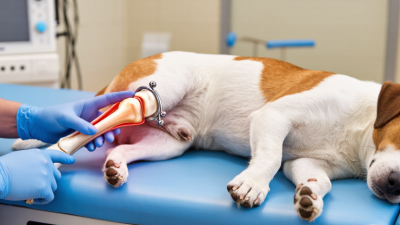
A veterinary orthopedic surgeon diagnoses and treats bone, joint, ligament, and muscle problems in animals. Common cases include fractures, hip dysplasia, patellar luxation, and cranial cruciate ligament injuries. The surgeon reviews gait changes, pain, medical history, and radiographs before recommending treatment. Advanced cases may require CT imaging, joint surgery, or fracture fixation.
Training matters. The American College of Veterinary Surgeons requires a veterinary degree, a clinical internship, and a structured surgical residency before board certification. This pathway usually takes several additional years. The American Pet Products Association reported that 66% of U.S. households owned a pet in its 2023–2024 survey. More animals now receive complex care. However, surgery is never risk-free. Recovery depends on age, weight, tissue damage, and owner support. A perfect result cannot be promised.
Tips:
Ask about orthopedic case numbers, imaging access, anesthesia monitoring, and rehabilitation plans. Request a clear estimate and written aftercare instructions. Check whether the surgeon holds recognized specialist credentials or works under specialist supervision. Ask how complications are handled. Small details matter. A quiet clinic is not automatically a safe clinic. Personal communication can also reveal gaps that certificates do not show.
Which Qualifications Should a Veterinary Orthopedic Surgeon Have?
Choosing the best veterinary orthopedic surgeon in China requires more than reading online reviews. A qualified surgeon should hold a veterinary degree and advanced training in orthopedic procedures. Residency experience or recognized specialist certification can show deeper preparation. Ask how often the surgeon performs procedures such as fracture repair, cruciate ligament surgery, or joint reconstruction.
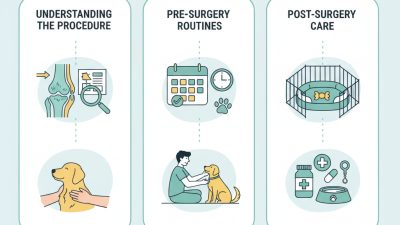
Practical experience matters. The surgeon should examine gait, joint stability, muscle condition, and pain before recommending surgery. They should understand radiographs and, when necessary, CT or other imaging. A careful consultation should explain surgical risks, anesthesia monitoring, expected recovery, and alternative treatments. The clinic should also provide clean surgical facilities and a clear pain-control plan. Small details matter, such as checking the pet again after standing and walking.
Good communication is another important qualification. The surgeon should answer questions patiently and provide written home-care instructions. Ask about rehabilitation, activity limits, wound checks, and possible complications. A confident surgeon should still admit that every case can change during surgery. That honesty builds trust. Experience is valuable, but experience alone is not enough. Even skilled clinicians can make poor decisions without updated knowledge or careful teamwork. Look for continuing education, cooperation with diagnostic staff, and transparent case discussions. Fancy equipment helps, but sound judgment helps more.
China Best Veterinary Orthopedic Surgeon: Which Qualifications Should You Look For?
A qualified veterinary orthopedic surgeon typically completes a veterinary degree, a rotating internship, and an advanced surgical residency before pursuing board certification. In the North American pathway, this represents approximately eight years of structured education and clinical training. Requirements may vary by country and professional regulatory body, so verify credentials, residency training, orthopedic case experience, and continuing education.
Reference basis: typical U.S. veterinary education structure and the American College of Veterinary Surgeons residency pathway. Durations are approximate and may vary by jurisdiction.
How to Evaluate Surgical Experience and Specialization
When choosing a veterinary orthopedic surgeon, examine surgical experience rather than attractive promises. Ask how many procedures the surgeon performs each year. Request experience with your animal’s exact condition, such as cranial cruciate ligament tears, fractures, or hip dysplasia. General practice exposure is useful, but complex cases often require deeper specialization.
The American College of Veterinary Surgeons states that board-certified surgeons complete a minimum three-year surgical residency, detailed case training, and rigorous examinations. Confirm the surgeon’s credentials through an official professional directory. Also ask who performs anesthesia, imaging, and postoperative monitoring. These details reveal the real clinical team.
Published evidence also deserves attention. A systematic review in Veterinary Surgery reported TPLO complication rates ranging from about 10% to 34% across studies. The variation reflects patient size, technique, follow-up, and reporting standards. No surgeon is complication-free. Be cautious with anyone claiming perfect results. Ask for audited outcome data, infection rates, revision rates, and typical recovery timelines. A surgeon who explains uncertainty may be more trustworthy than one offering effortless answers. I would also request a written rehabilitation plan, because successful surgery can still fail without controlled exercise and follow-up care.
What Questions Should You Ask Before Choosing a Surgeon?
Choosing the best veterinary orthopedic surgeon in China starts with direct, practical questions. Ask, “What specialist training and current registration do you hold?” Request details about experience with your pet’s specific injury, not general surgery. How many similar procedures have you performed during the past year? A surgeon should explain the diagnosis using clear images, such as X-rays or a CT scan. Vague answers deserve careful consideration.
Ask which treatment options are available, including non-surgical care. Why is surgery recommended for this animal? What are the likely benefits, risks, and possible complications? Ask about infection rates, anesthesia monitoring, pain control, and expected recovery time. You should also ask whether another qualified surgeon will review the case. A second opinion is reasonable.
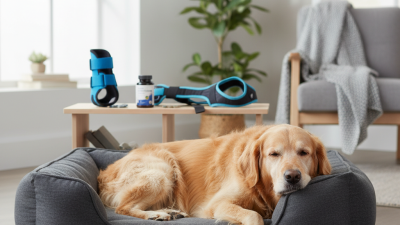
Discuss aftercare in concrete terms. Who will check the incision? When can your dog climb stairs or walk outside? What happens if the implant shifts or healing slows? Ask for written instructions and an emergency contact. Clear fees should include examinations, imaging, anesthesia, surgery, medication, and follow-up visits. A polished website can mislead me; verified training and honest communication matter more. No surgeon can promise a perfect result. Good professionals admit uncertainty and explain how they will respond when recovery does not follow the expected plan.
How to Compare Veterinary Hospitals and Make the Final Decision
Choosing the best veterinary orthopedic surgeon requires comparing the entire hospital, not only one doctor’s credentials. The AVMA 2024 U.S. Pet Ownership and Demographics Sourcebook reports about 59.8 million dog-owning households in the United States. Demand is significant. Therefore, ask how often the hospital performs your pet’s specific procedure, such as cruciate ligament repair or fracture stabilization. Request the surgeon’s board-certification status, relevant training, and recent case experience. A confident answer should include clear numbers, not vague promises.
Compare anesthesia monitoring, digital imaging, sterile-surgery protocols, pain control, and rehabilitation support. AAHA accreditation standards emphasize documented medical procedures, trained teams, equipment maintenance, and client communication. These details matter when comparing hospitals. Ask whether a dedicated technician monitors anesthesia continuously. Ask who manages overnight observation. Confirm how complications are handled and whether follow-up examinations are included. A written estimate should separate surgery, imaging, hospitalization, medication, and possible additional treatment.
Look beyond online ratings. They may reflect reception service rather than surgical quality. The ACVS public directory can help verify specialist credentials, but certification alone cannot predict every outcome. No hospital has zero complications. That is an uncomfortable truth. A trustworthy team explains infection risk, implant failure, recovery time, and warning signs without pressure. I would also ask to see a sample discharge plan and rehabilitation schedule. If answers remain rushed or inconsistent, pause before booking. My own comparison would favor transparent communication and structured aftercare over an impressive facility or the lowest quoted fee.