| Veterinary Medicine Degree |
Animal anatomy and physiology, pathology, pharmacology, diagnostics, surgery, medicine, animal welfare, and clinical practice. |
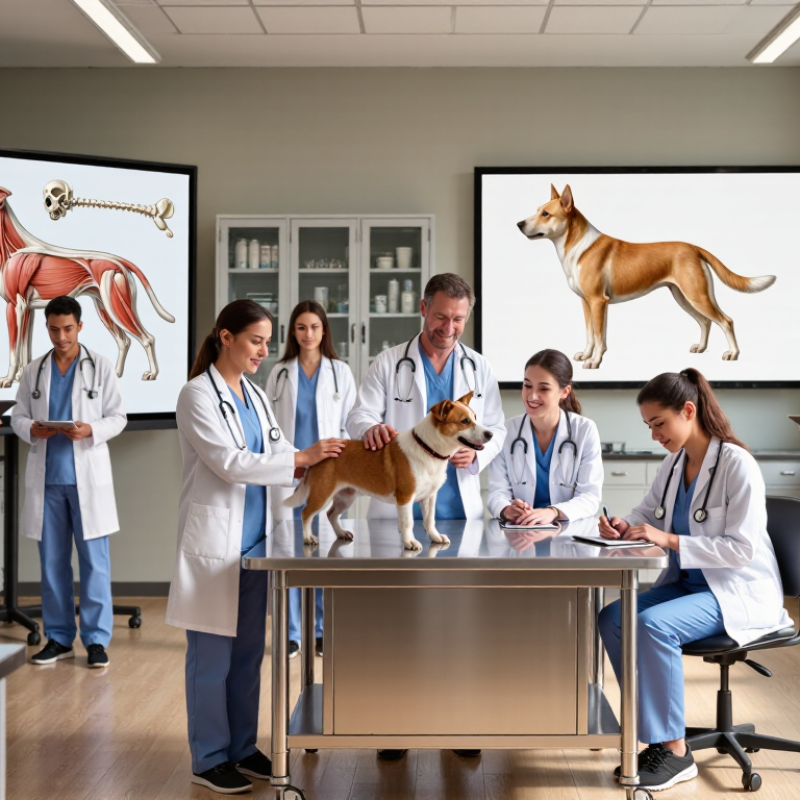
Campus-based lectures, laboratories, case-based learning, and clinical teaching; some programs include online learning components. |
Laboratory work and supervised clinical rotations with a range of animal species and veterinary services. |
Usually about 5–6 years, depending on the country and prior education. |
Students aiming to qualify as veterinarians. |
Check that the program meets the education and accreditation requirements for veterinary registration where you intend to practise. |
| Veterinary Nursing or Veterinary Technology Program |
Patient care, animal nursing, clinical procedures, laboratory skills, imaging, anaesthesia support, pharmacology, and practice operations. |
Classroom or online theory combined with laboratory sessions and supervised workplace or clinical learning. |
Hands-on skills practice and supervised clinical placements are commonly included; requirements vary by qualification. |
Often around 2–3 years, depending on the award and local education system. |
Students seeking a clinical support role in veterinary practice. |
Professional titles, scope of practice, and registration requirements differ by jurisdiction; confirm local recognition before enrolling. |
| Veterinary Continuing Education Course |
A focused topic such as dentistry, diagnostic imaging, behaviour, emergency care, or practice management. |
Online modules, live webinars, workshops, conferences, or blended learning. |
May include demonstrations, case reviews, simulations, or supervised workshops; some courses are theory-only. |
From a few hours to several weeks, depending on the topic and format. |
Veterinary professionals looking to update or expand knowledge in a specific area. |
Check prerequisites, learning outcomes, assessment, and whether the course counts toward continuing education requirements locally. |
| Animal First Aid Course |
Basic emergency recognition, safe handling, initial response, and when to seek veterinary care. |
Short in-person workshops, online lessons, or a combination of both. |
Some in-person courses offer practice with first-aid techniques or training models; practical content varies. |
Typically a few hours to a few days. |
Pet owners, animal carers, and people seeking introductory emergency-response knowledge. |
It does not qualify participants to diagnose or treat animals, and it is not a substitute for veterinary care. |