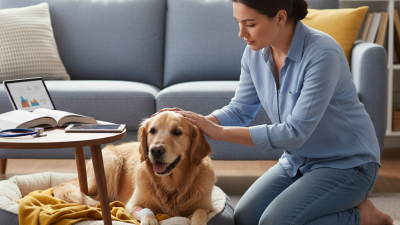
Top Orthopedic Veterinarians for Your Pet
A limp can begin as a small hesitation on the kitchen floor. Then stairs become difficult, walks shorten, and your pet may shift weight away from one leg. These changes deserve attention. An orthopedic veterinarian assesses bones, joints, muscles, and movement to identify possible causes and discuss suitable care. Sometimes the signs are subtle. A dog may still wag its tail while avoiding a jump.
A respected voice in veterinary orthopedics is Dr. James L. Cook, a surgeon and researcher at the University of Missouri. Rather than presenting an unverified quotation as his exact words, this guide paraphrases a key principle reflected in patient-centered orthopedic care: “The right plan must fit the individual animal.” That means considering the pet’s age, diagnosis, comfort, activity, and the family’s ability to support recovery. A careful examination matters. So do clear explanations and realistic expectations.
This introduction opens a practical guide to choosing an orthopedic veterinarian for your pet. It will explore credentials, diagnostic tools, treatment options, and questions to ask during a consultation. Look for details such as how the clinic explains imaging, pain management, rehabilitation, and follow-up visits. Ask who will monitor progress after treatment. Compare recommendations thoughtfully, and seek clarification when something feels unclear. No checklist can promise an easy recovery. But informed questions can help you make a steadier decision for an animal who cannot describe where it hurts.
Common Conditions Treated by Veterinary Orthopedic Specialists
Common Conditions Treated by Veterinary Orthopedic Specialists
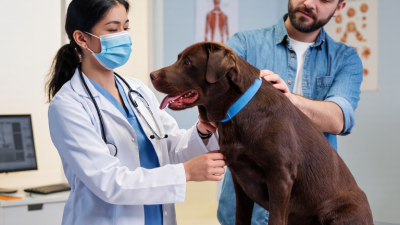
A pet that suddenly limps, avoids stairs, or struggles to rise may have an orthopedic problem. Some causes are easy to miss. Veterinary orthopedic specialists assess bones, joints, ligaments, and tendons, often using physical exams and imaging to guide diagnosis. They commonly treat fractures, cruciate ligament injuries, hip or elbow dysplasia, and kneecap dislocation. Older pets may also develop osteoarthritis, which can cause stiffness after rest and shorter walks.
Treatment depends on the injury, the pet’s age, activity, and overall health. Options may include controlled exercise, pain management, rehabilitation, or surgery. A torn knee ligament, for example, can make a dog place only light weight on one hind leg. But limping alone does not confirm the cause. Similar signs can come from paw injuries or neurological problems, so an examination matters. Recovery can take patience; progress is not always steady.
Tips: Note when symptoms began, which leg seems affected, and what makes them worse. Take a short video of your pet walking, if safe. Keep activity gentle until a veterinarian advises otherwise. Don’t give human pain medicine unless your veterinarian specifically directs you.
Signs Your Pet May Need Orthopedic Care
Watch how your pet moves through an ordinary day. A repeated limp, stiffness after resting, or hesitation at the stairs can signal joint or limb pain. So can trouble rising, slipping on smooth floors, or avoiding a familiar jump. Some pets hide discomfort. Look for quieter changes, such as shorter walks, licking one joint, or less muscle in one leg. Small clues matter.
A 2018 VetCompass study from the Royal Veterinary College reviewed records for 455,557 UK dogs and found recorded osteoarthritis in 2.5%. This reflects documented diagnoses, not every affected dog; subtle signs can be missed. It is easy to call a skipped jump “just age,” but that assumption deserves a second look. Note when symptoms occur, film your pet walking, and share both with a veterinarian. A persistent limp merits an examination; sudden inability to bear weight, major swelling, or severe pain needs prompt veterinary attention. A veterinarian can assess movement and decide whether imaging or an orthopedic referral is appropriate. Don’t give human pain medicine unless your veterinarian specifically directs you.
What to Expect at an Orthopedic Consultation
An orthopedic consultation often starts with your pet’s story, not an X-ray.
The veterinarian may ask when the limp began, whether it changes after rest, and how your pet manages stairs or slippery floors. Bring a list of medications and any earlier test results. A short video helps. A few steps across your kitchen can show a problem that disappears in the clinic.
Next, the veterinarian will watch your pet walk and may gently examine the legs, joints, and spine. They may compare muscle size, check joint movement, and look for areas of tenderness. Some pets tense up in unfamiliar rooms, so one exam may not reveal everything. Owners sometimes forget details under stress; that is normal. Notes can help.
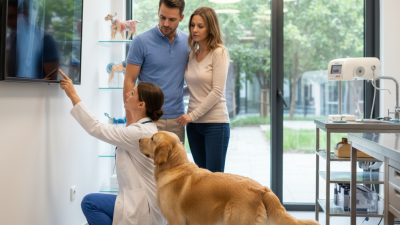
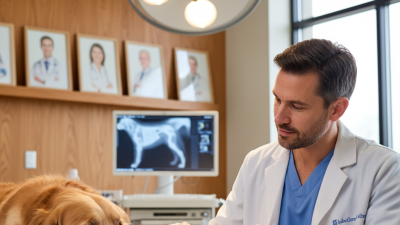
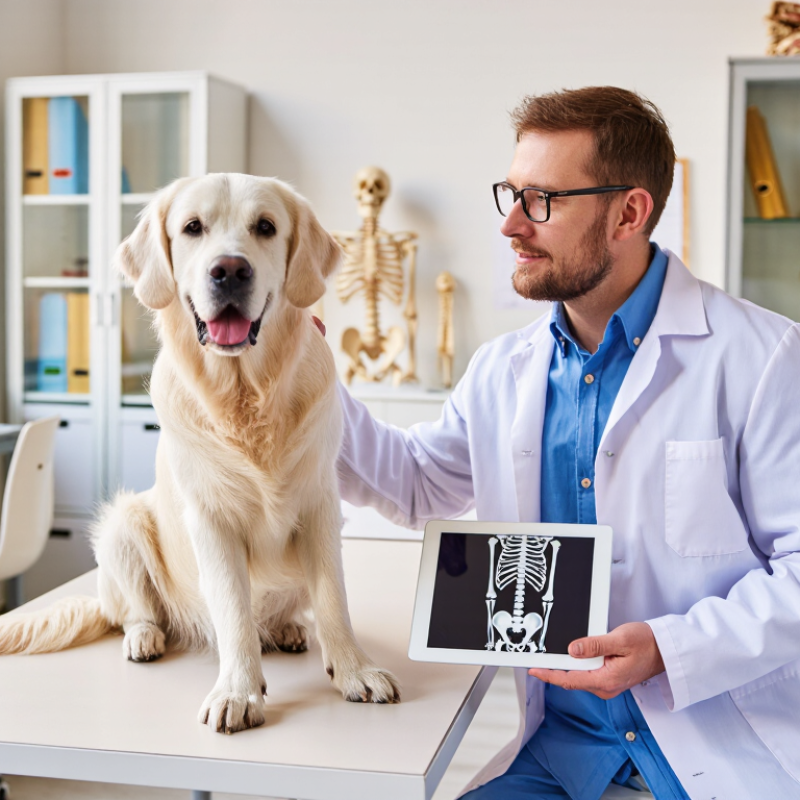
Imaging, such as X-rays, may be recommended, though not every condition is clear from one image. The veterinarian should explain what the findings suggest, what remains uncertain, and whether further tests are needed. Ask about pain control, treatment choices, expected recovery, and limits on activity at home. If the plan feels rushed, ask them to pause and explain it again. You do not need to decide every detail on the spot.
Comparing Treatment Options and Planning Follow-Up Care
Top Orthopedic Veterinarians for Your Pet
Comparing Treatment Options and Planning Follow-Up Care
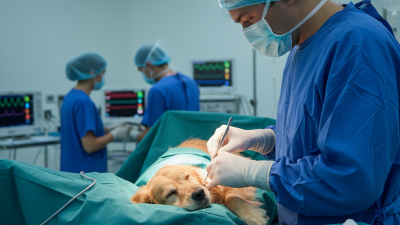
When a pet limps or avoids stairs, an orthopedic veterinarian can explain what may be causing the problem. Treatment depends on the injury, your pet’s age, comfort, and activity level. Some cases may improve with rest, medication, and controlled exercise. Others, such as certain fractures or ligament injuries, may need surgery. Ask what each option aims to achieve, how long recovery may take, and what risks or limits apply. A second opinion can help when choices feel unclear. There is rarely a perfect answer.
Follow-up care is part of treatment, not an afterthought. Your veterinarian may schedule checks to assess pain, healing, and movement. After surgery, they may recommend keeping your pet in a small, quiet area and using a short leash for bathroom trips. A gradual return to activity can protect healing tissues. Recovery can be uneven. A pet may seem better one day, then stiff the next; report changes rather than adjusting medication or exercise on your own. X-rays or other checks may be advised, depending on the injury and progress.
Tips: Write down medication times, appetite, and changes in walking. Keep floors nonslip and block stairs. Bring your questions to each visit, even small ones. Recovery takes patience.