| Dogs |
Routine wellness care |
Excellent fit |
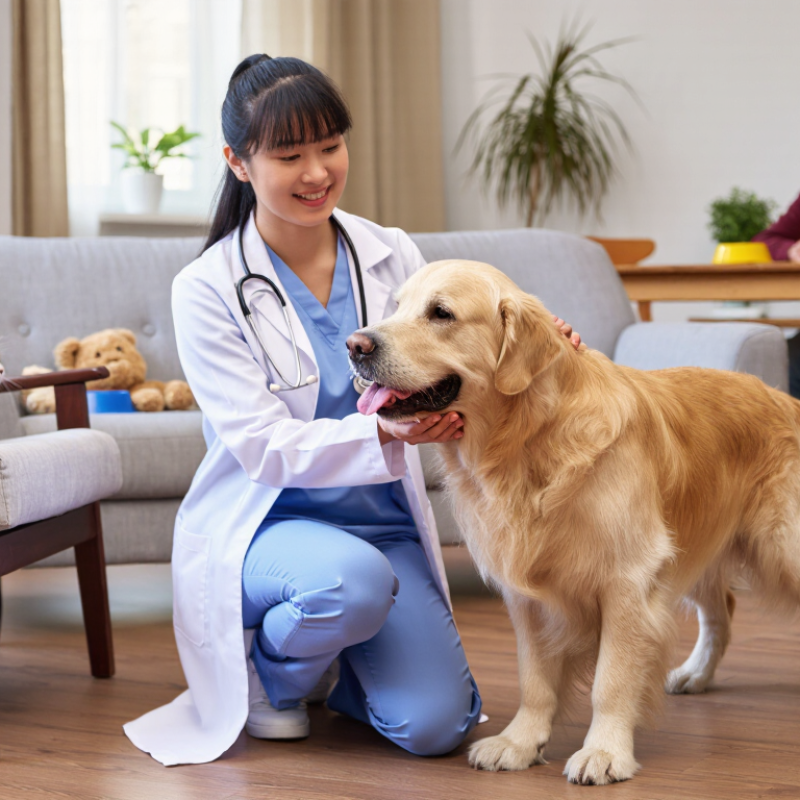
Physical examinations, preventive-care discussions, weight checks, lifestyle advice, and many routine vaccinations where permitted. |
The dog can be assessed in its normal environment, which may make behavior and mobility easier to evaluate. |
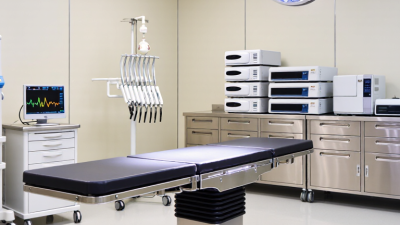
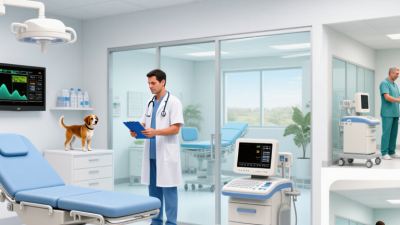
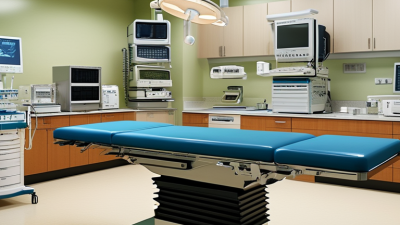
Advanced imaging, surgery, hospitalization, or procedures requiring specialized equipment may require a veterinary facility. |
| Cats |
Routine examinations and preventive care |
Excellent fit |
Wellness examinations, vaccination appointments, parasite-prevention planning, nutrition advice, and senior-care assessments. |
A home visit avoids travel and may reduce stress associated with carriers, car rides, and unfamiliar surroundings. |
Severe breathing difficulty, urinary obstruction, major trauma, or conditions needing intensive monitoring require immediate facility-based care. |
| Dogs and cats |
Senior-pet care and chronic disease monitoring |
Excellent fit |
Mobility assessments, medication reviews, comfort evaluations, body-condition checks, and monitoring plans for stable conditions. |
The veterinarian can observe movement, sleeping areas, stairs, feeding routines, and other factors that may affect daily comfort. |
Unstable diabetes, severe pain, sudden neurological changes, or rapidly worsening symptoms need prompt in-clinic assessment. |
| Dogs and cats |
Mild or stable illness |
Often suitable |
Initial examinations for selected skin, ear, digestive, or minor respiratory concerns, along with treatment advice and follow-up care. |
Home observation can provide useful context about appetite, toileting, activity, and possible environmental triggers. |
Persistent vomiting, bloody diarrhea, dehydration, high fever, collapse, or worsening symptoms may require diagnostic testing at a clinic. |
| Dogs and cats |
Fear, anxiety, or difficult travel behavior |
Excellent fit |
Behavioral observation, low-stress examinations, handling guidance, and discussion of environmental or behavioral support. |
The pet remains in a familiar setting, allowing the veterinarian to observe behavior without the added stress of transportation. |
Severe aggression that cannot be safely managed, emergencies, or procedures requiring sedation and monitoring may need a clinic. |
| Dogs and cats |
Palliative care and end-of-life support |
Excellent fit |
Comfort assessments, quality-of-life discussions, pain-management planning, hospice guidance, and—in some practices—euthanasia. |
The pet can remain in a familiar, private environment surrounded by the people and other animals it knows. |
Severe uncontrolled distress or a need for emergency stabilization may require immediate veterinary-facility care. |
| Rabbits and small mammals |
Routine health checks and husbandry review |
Often suitable |
General examinations, diet and housing reviews, nail care where appropriate, and advice about preventive health. |
The veterinarian can assess the enclosure, bedding, temperature, diet, and other environmental factors directly. |
Breathing problems, severe gastrointestinal slowdown, major wounds, or conditions needing imaging or surgery require urgent facility care. |
| Birds and reptiles |
Environmental and husbandry assessment |
Provider dependent |
Habitat review, temperature and humidity guidance, feeding advice, and selected physical examinations by an experienced veterinarian. |
Home assessment can reveal enclosure, lighting, ventilation, and diet issues that may be missed during a brief clinic visit. |
These pets often need specialized equipment, diagnostic imaging, laboratory testing, or urgent stabilization at an exotics-capable clinic. |
| Multiple-pet households |
Coordinated preventive-care planning |
Often suitable |
Household-wide health reviews, vaccination planning, parasite-control discussions, and identification of shared environmental risks. |
Several pets can be assessed during one visit, and the veterinarian can evaluate shared spaces and routines. |
Any pet showing emergency signs should be transported or referred immediately rather than waiting for a routine home appointment. |
| Any species |
Suspected emergency or rapidly worsening condition |
Usually not suitable |
Some home services may provide triage by telephone or an urgent assessment, depending on availability and local regulations. |
A veterinarian may help determine the safest next step when transportation is difficult, but time-sensitive care remains the priority. |
Collapse, severe breathing difficulty, uncontrolled bleeding, poisoning, seizures, major trauma, inability to urinate, or unresponsiveness requires emergency veterinary care. |