Why Should You Choose a Virtual Vet?
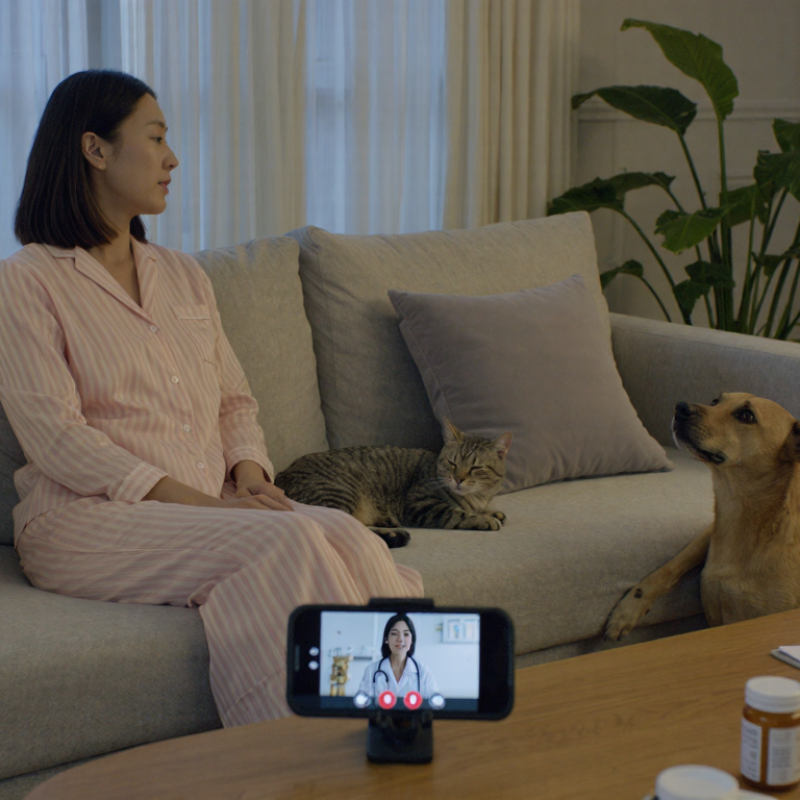
A virtual vet can make professional guidance easier to reach when a pet’s symptoms cause concern after clinic hours. Picture your dog scratching beside the sofa, or your cat refusing dinner while you search for an open appointment. A video consultation may help you describe what you see, share clear photos, and discuss practical next steps with a veterinarian. Dr. Lori Teller, a veterinarian and former president of the American Veterinary Medical Association, has emphasized that telehealth can support veterinary care but cannot replace hands-on examinations when those are needed. That distinction matters. A virtual vet offers access, not a guaranteed diagnosis from a screen.
For straightforward questions, follow-up discussions, or help deciding how urgently to seek care, remote visits can save travel time and reduce stress for some pets. You can speak from home, with your pet nearby and familiar details in view: a medication label, a feeding schedule, or a change in behavior. Still, a camera cannot take a temperature or perform every physical test. Some problems need an in-person examination, and urgent signs call for prompt local veterinary attention. Not every case fits. Choosing a virtual vet works best when the service explains its limits, uses qualified veterinarians, and gives you a clear plan for follow-up. Convenience is useful; it is not the whole story. Owners should also ask how records are handled and what happens if remote care is not enough. That extra question is easy to miss. It may be the most important one.
What a Virtual Vet Is and How Online Consultations Work
A virtual vet is a veterinarian who speaks with pet owners through a video call, phone call, or secure online messaging. The consultation often begins with a short health history: your pet’s age, symptoms, medications, and when the problem started. You may be asked to share photos or clips before the appointment. This gives the veterinarian useful context, but it does not replace every hands-on examination.
During a video visit, keep your pet in a quiet, well-lit room. The veterinarian may ask you to show your pet walking, breathing, or reacting to gentle touch. They may also ask about appetite, drinking, bathroom habits, and recent changes at home. Have medication labels and previous records nearby. A blurry clip can leave important details out, so be ready to describe what the camera misses.
Online consultations can help with follow-up questions, mild skin concerns, behavior changes, or deciding what care may be appropriate. The veterinarian will explain whether an in-person examination or testing is needed. Some problems cannot be assessed reliably through a screen; a camera cannot feel a swelling or listen to the heart directly. If your pet is struggling to breathe, has collapsed, or is severely injured, seek urgent in-person veterinary care. The limits can feel inconvenient, but they are part of an honest assessment.
Why Should You Choose a Virtual Vet? — What a Virtual Vet Is and How Online Consultations Work
A practical overview of online veterinary consultations, what to expect, and when an in-person visit may be needed.
| Topic |
What It Means |
How It Works in Practice |
Important Limitations |
| What a virtual vet is |
A veterinary professional who provides advice or assessment remotely, commonly by video, phone, or secure messaging. |
You share your pet’s history and concerns, and the veterinary professional discusses the information and recommends next steps. |
The service may provide advice, a veterinary-client-patient relationship, or both, depending on local rules and the service offered. |
| Booking and preparation |
An appointment is arranged for a particular concern or follow-up. |
Prepare your pet’s age, species, weight if known, current medicines, relevant history, and a clear description of symptoms. Have photos or short videos ready if helpful. |
A video or photograph cannot replace every part of a physical examination, and poor lighting or movement can make observations harder. |
| The online consultation |
A remote conversation to gather information, assess visible signs, and discuss possible next steps. |
The vet may ask when the issue began, whether it has changed, and about appetite, drinking, behavior, and other relevant signs. |
Some diagnoses require hands-on examination, laboratory testing, imaging, or other procedures that cannot be performed remotely. |
| Possible outcome |
The consultation may result in advice, monitoring instructions, a recommendation for an in-person appointment, or a follow-up plan. |
The vet can explain what changes to watch for and how soon to seek further care. Prescriptions may be possible only when legal and clinically appropriate. |
Prescription and remote-care rules vary by location. A virtual consultation does not guarantee a diagnosis or prescription. |
| When it may be convenient |
Remote access can be useful when travel is difficult or when an initial discussion or follow-up is appropriate. |
It can help you discuss a non-emergency concern, clarify care instructions, or ask whether your pet needs to be seen in person. |
Convenience does not make remote care suitable for every condition. The vet may advise an in-person examination if the information is insufficient. |
| When to seek urgent in-person care |
Some symptoms need prompt assessment at an emergency veterinary facility. |
Examples include difficulty breathing, collapse, severe bleeding, seizures, suspected poisoning, or serious injury. |
Do not delay emergency care to book an online appointment. Contact an emergency veterinary service or local emergency clinic promptly. |
Benefits of Choosing Virtual Veterinary Care
Virtual veterinary care can make professional guidance easier to reach when a pet develops a mild concern or needs a follow-up. A short video call may help a veterinarian review a skin change, discuss appetite, or decide whether an in-person exam is needed. It can also spare a nervous cat the carrier and car ride. Useful, but not a substitute for every examination.
The American Pet Products Association’s 2023–2024 National Pet Owners Survey estimated that 86.9 million U.S. households own a pet. Its 2024 industry report put U.S. pet spending at $147 billion in 2023. These figures show the scale of pet care needs, not proof that virtual visits improve health outcomes. The American Veterinary Medical Association’s telehealth guidance also stresses that remote care has limits, especially when a physical examination is necessary.
A good virtual visit should include clear questions, a review of the pet’s history, and practical next steps. Keep the animal nearby, with bright light on the area of concern. Have medication labels ready. Some details are easy to miss on screen. Breathing trouble, collapse, severe pain, or repeated vomiting calls for prompt in-person veterinary attention. A call can help clarify urgency, but it cannot palpate an abdomen or run a diagnostic test.
Limitations and Situations Requiring an In-Person Visit
Virtual veterinary care can help with follow-up questions, mild skin concerns, or reviewing a pet’s behavior at home. But a camera cannot feel a swollen abdomen, listen for a heart murmur, or check an ear canal closely. Those details may change the diagnosis. It is easy to overvalue a sharp image; that is a bias worth checking. The American Pet Products Association’s 2023–2024 National Pet Owners Survey estimated that 86.9 million U.S. households had a pet. That large population makes accessible care valuable, but the figure does not mean every concern can be handled remotely.
Some signs need prompt, hands-on assessment: labored breathing, collapse, uncontrolled bleeding, repeated vomiting, or a seizure. A cat straining to urinate also needs urgent veterinary attention. Not every case can wait. Even when a pet seems stable, a veterinarian may need palpation, bloodwork, imaging, or a direct eye and ear examination. The American Animal Hospital Association and American Veterinary Medical Association telehealth guidance treats remote care as one part of veterinary practice, not a substitute for every examination. If the video is unclear, symptoms are worsening, or the pet cannot be safely handled at home, an in-person visit is the more reliable next step. A virtual appointment can help decide what happens next, but it cannot provide every answer.
How to Choose a Virtual Vet for Your Pet
Choosing a virtual vet starts with your pet’s needs, not the convenience of a video call. The American Pet Products Association’s 2023–2024 National Pet Owners Survey estimated that 86.9 million U.S. households own a pet. That scale makes accessible care worth considering, but it does not mean every concern can be handled remotely. A virtual visit may help with follow-up questions, behavior concerns, or reviewing a care plan. Sudden breathing problems or serious injuries need prompt in-person attention.
Check that the veterinarian is licensed where you and your pet are located, and ask what happens if an examination is needed. A good service explains whether it offers a diagnosis, general guidance, or triage; these are not interchangeable. Ask how records are shared with your regular clinic, what the visit costs, and whether the vet has experience with your pet’s species.
Convenience matters. But fit matters more. I might be tempted to choose the fastest appointment, yet clear limits and a referral plan are easier to overlook—and important.
Tips: Test your camera and microphone before the visit. Keep medication names, recent symptoms, and your pet’s weight nearby. Ask how to reach the clinic after the call.