What Is a Veterinary Doctor and What Do They Do?
A veterinary doctor is a medical professional who protects the health and welfare of animals. Their patients may include household cats, farm cattle, birds, reptiles, or wildlife under specialist care. Unlike human physicians, they often cannot ask where pain begins. They read quieter clues: a dog avoiding stairs, a horse shifting weight, or a rabbit eating less hay.
Their work combines clinical science with careful observation. A veterinary doctor may examine teeth, listen to the heart, analyze blood, interpret X-rays, provide vaccinations, or perform surgery. They also advise owners about nutrition, parasite prevention, exercise, and safe recovery at home. In farms and public health settings, veterinarians help monitor diseases affecting herds, food systems, and sometimes people. Their decisions should rely on current evidence, professional training, and honest communication about benefits, risks, and costs.
The role is not always neat. A nervous animal can hide important symptoms. A treatment plan may need adjustment after follow-up. Good veterinary care includes recognizing uncertainty, seeking specialist advice, and admitting when more information is needed. That humility matters. It builds trust. This guide explores what veterinary doctors do, where they work, and how they support animals throughout life. It also considers the emotional judgment their work requires, from calming a trembling puppy to explaining difficult choices with compassion.
Definition and Scope of Veterinary Medicine
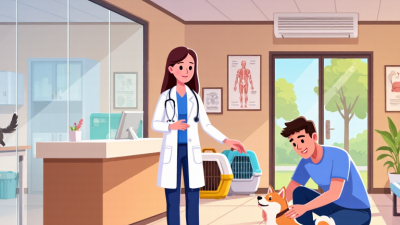
Veterinary medicine is the branch of health care focused on animal health, disease prevention, diagnosis, and treatment. A veterinary doctor may examine a limping dog, interpret blood tests, vaccinate a kitten, or advise a farm about herd health. The work is practical. It also requires careful judgment, because animals cannot describe pain or explain when symptoms began.
The scope reaches beyond the examination room. Veterinarians work in food safety, public health, wildlife care, research, and disease surveillance. The U.S. Centers for Disease Control and Prevention reports that six in ten known infectious diseases in people can spread from animals, while three in four new or emerging infectious diseases originate in animals. That matters. A veterinarian who spots a pattern of illness in livestock or pets may help public-health teams identify risks earlier. (CDC, “About Zoonotic Diseases”)
Veterinary care also involves prevention: checking weight, discussing parasite control, and helping owners notice changes in appetite or behavior. Some roles focus on one species; others span several, each with different needs. The boundaries are not always tidy. A treatment that suits one animal may not suit another, and access to care can vary widely. That tension deserves more attention in how veterinary services are planned.
What Is a Veterinary Doctor and What Do They Do?
A typical U.S. veterinary training pathway, shown in years. Specialty residency is optional.
Veterinary doctors examine, diagnose, treat, and help prevent illness in animals. Their work may include companion animals, livestock, wildlife, and public health. Training paths vary; internships and specialty residencies are not required for every veterinarian.
Education, Licensing, and Core Skills of Veterinary Doctors
What Is a Veterinary Doctor and What Do They Do?
A veterinary doctor, often called a veterinarian, protects animal health through examinations, diagnosis, treatment, and preventive care. The path usually begins with strong science coursework, followed by veterinary school and supervised clinical training. Programs combine anatomy and pharmacology with hands-on work, such as checking a dog’s ears or monitoring a cat’s breathing. It is demanding. Graduates must meet licensing requirements in the jurisdiction where they plan to practise; these may include examinations and proof of education. Requirements differ, so candidates should verify them with the relevant licensing authority.
Technical knowledge matters, but it is only part of the job. Veterinarians need careful observation, clear communication, sound judgment, and steady hands. A small change in appetite or posture can help guide an assessment. They also explain options, risks, and follow-up care to animal owners, sometimes during stressful visits. That conversation can be harder than expected. Veterinary doctors work in clinics, hospitals, shelters, research, and public health, with duties shaped by their training and setting.
Tips: Before an appointment, note your animal’s symptoms, medicines, and recent behavior. Bring specific questions. Clear details can help the veterinarian make better-informed decisions.
Animals and Medical Settings They Serve
A veterinary doctor treats animals, but the work extends far beyond prescribing medicine. Patients may include household pets, horses, cattle, birds, reptiles, or injured wildlife. Each species shows illness differently. A dog may stop eating, while a rabbit may hide pain until its condition becomes serious. Careful observation matters.
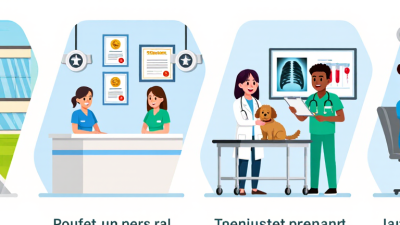
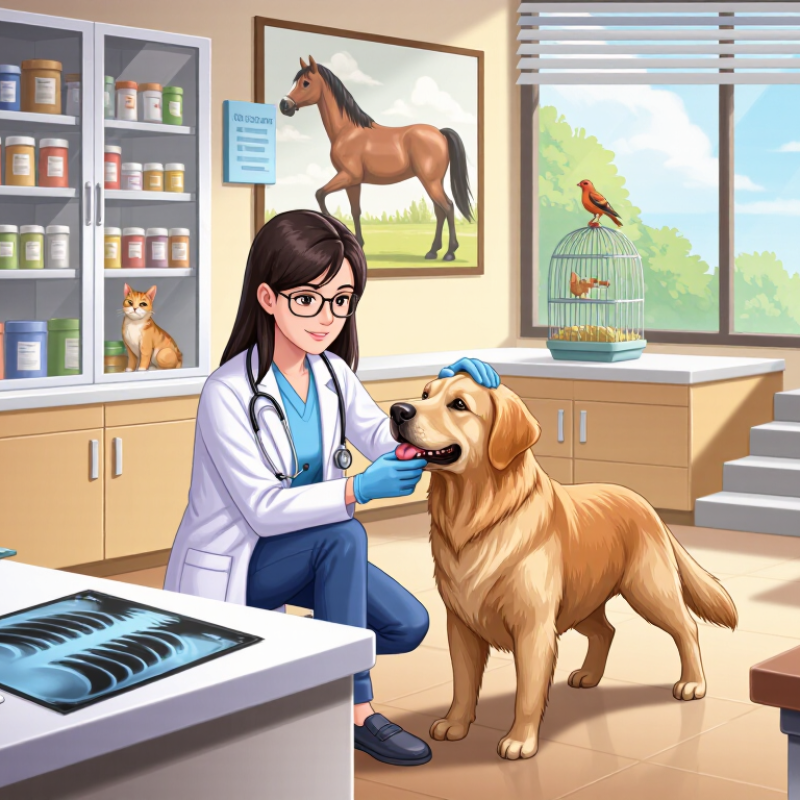
Veterinary doctors work in small clinics, emergency hospitals, farms, shelters, laboratories, and wildlife rehabilitation centers. In a clinic, a doctor may check a cat’s breathing, examine a horse’s swollen leg, or use ultrasound to view an animal’s organs. Farm veterinarians monitor groups of animals, prevent disease, and advise owners about nutrition and safe housing. Wildlife doctors often treat fractures, dehydration, and injuries caused by traffic or habitat changes.
The medical setting changes the doctor’s priorities. An emergency hospital needs rapid decisions, while a shelter may focus on disease control among many animals. A calm room can help a frightened patient. A crowded kennel can complicate diagnosis. No examination is perfect. Animals cannot describe their pain, and owners may miss early signs. A rushed assumption can mislead the entire treatment plan. Good veterinarians ask detailed questions, explain uncertainty clearly, and adjust care when new evidence appears. Their work also includes protecting public health, since some animal diseases can affect people.
Diagnostic, Treatment, and Preventive Care Responsibilities
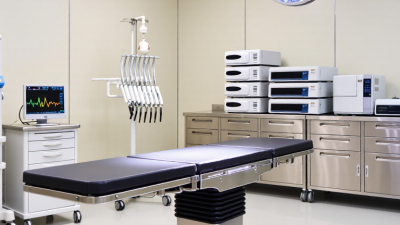
A veterinary doctor is a licensed medical professional who cares for animals through diagnosis, treatment, and prevention. Their patients may include household pets, farm animals, or wildlife. Each case begins with careful observation, because animals cannot explain pain, nausea, or sudden weakness. The veterinarian reviews the animal’s history, checks vital signs, and performs a physical examination. Blood tests, imaging, urine analysis, or other procedures may help confirm the cause.
Treatment depends on the diagnosis and the animal’s condition. A veterinarian may clean a wound, prescribe medicine, manage pain, repair an injury, or provide surgery. They also explain possible risks, expected recovery, and home-care instructions. Clear communication matters. A worried owner may remember only part of a long explanation, especially during an emergency. Written instructions can reduce mistakes, although they do not replace professional follow-up.
Prevention is equally important. Vaccinations, parasite control, dental examinations, nutrition guidance, and regular wellness checks can identify problems earlier. Veterinarians also monitor weight, behavior, mobility, and age-related changes. Small details matter. A quiet cat, a stiff dog, or a bird eating less may signal illness. No examination is perfect, and some symptoms remain unclear at first. Good veterinary care requires evidence, experience, honest uncertainty, and a willingness to reassess the plan when the animal does not improve.
Specialties, Public Health Roles, and Career Paths
A veterinary doctor treats more than illness in household animals. Their work can involve surgery, internal medicine, dermatology, emergency care, pathology, or animal behavior. A typical clinic day may include examining a coughing dog, reviewing blood results, and explaining difficult options to an anxious owner. Some veterinarians work with livestock, laboratory animals, wildlife, or horses. Others become epidemiologists who track infections across animals and people.
Public health is a less visible career path. Veterinary doctors inspect food production systems, monitor zoonotic diseases, and support outbreak investigations. They may collect samples, study vaccination patterns, or advise communities after unusual animal deaths. The World Health Organization identifies zoonotic diseases as a major global health concern, with more than 60% of known infectious diseases originating in animals. This makes veterinary training important beyond the examination room. The work can feel administrative. It still protects thousands of people.
In the United States, the Bureau of Labor Statistics projects 19% employment growth for veterinarians from 2023 to 2033, much faster than average. Its May 2023 data lists median annual pay at about $119,100. Career routes usually begin with a veterinary degree, supervised clinical training, and regional licensing. A new graduate may enter general practice, complete an internship, or pursue residency-based specialty training. Public health roles may require added study in epidemiology or food safety. The path is demanding, and not every specialty choice remains permanent. That uncertainty deserves honest planning.