What Is a Veterinary Doctor and What Do They Do?
A veterinary doctor is a licensed medical professional who cares for animals, prevents disease, and supports public health. Their patients may include household pets, farm animals, wildlife, or animals in research settings. Each species has different anatomy, behavior, and treatment needs. This makes veterinary medicine both scientific and deeply practical.
A typical day may begin with a quiet physical examination. The veterinarian checks an animal’s breathing, skin, eyes, teeth, temperature, and movement. They may listen to a dog’s heart, examine a cat’s injured paw, or review blood test results for a horse. They also explain diagnoses and treatment plans clearly to owners. Vaccinations, nutrition advice, surgery, dental care, and pain management are common responsibilities. Careful records matter. So does patient trust.
The profession requires university training, supervised clinical experience, licensing, and ongoing education. Veterinary doctors use evidence-based methods, but no examination is perfect. Animals cannot describe their symptoms, and owners may notice only small changes, such as reduced appetite or unusual hiding. A thoughtful veterinarian combines medical knowledge with observation, communication, and ethical judgment. Sometimes, uncertainty remains. That can be difficult.
This article explores what veterinary doctors do, where they work, and how they protect animal welfare. It also considers the emotional demands of the role, including difficult decisions and long working hours. Understanding this profession reveals more than a love for animals. It shows a commitment to careful science, responsible care, and lifelong learning.
Definition and Role of a Veterinary Doctor
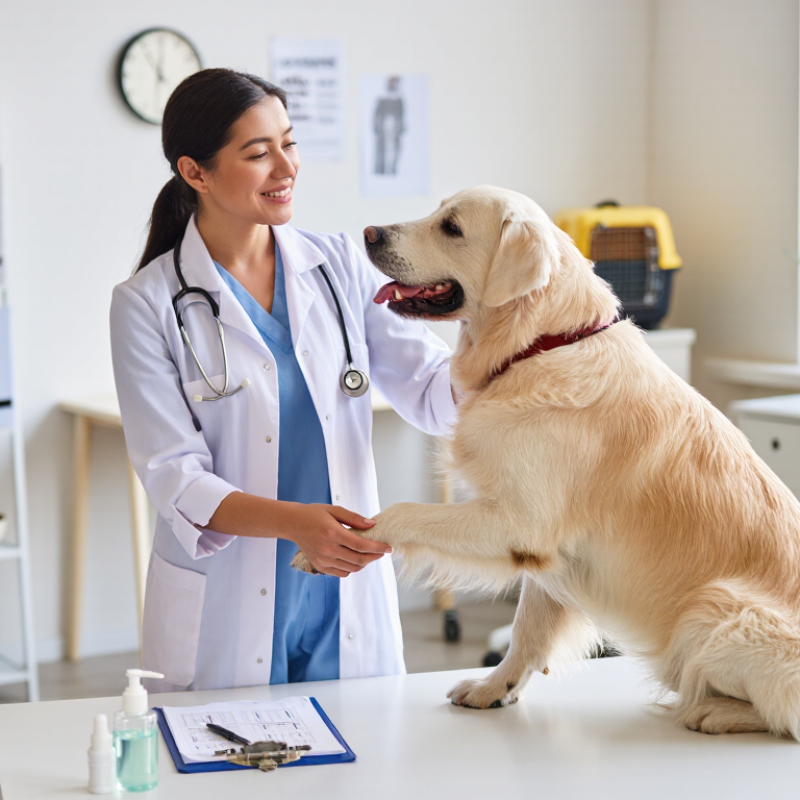
A veterinary doctor, commonly called a veterinarian, is a licensed medical professional for animals. Their role includes preventing illness, identifying disease, treating injuries, and protecting animal welfare. They may examine a nervous puppy, listen to a horse’s lungs, or review blood results from a farm animal. It is hands-on work. Not just treatment.
Veterinarians also support public health. The Centers for Disease Control and Prevention reports that six in ten known infectious diseases can spread between animals and people. It also states that three out of four new or emerging infectious diseases originate in animals. This makes vaccination, sanitation, food safety, and disease surveillance important parts of veterinary practice. A veterinarian may work in a clinic, laboratory, farm, shelter, research setting, or government service.
The profession requires medical knowledge, careful observation, and clear communication with animal owners. The U.S. Bureau of Labor Statistics projects 20% employment growth for veterinarians from 2022 to 2032. Its May 2023 data lists a median annual wage of $119,100 in the United States. These figures show strong demand, but they do not describe the whole role. Clinical decisions are rarely perfect. A symptom can mislead. Veterinarians often combine physical examinations, imaging, laboratory tests, and professional judgment before choosing treatment. Their work can also involve difficult conversations, financial limits, and uncertain outcomes. That human pressure deserves more attention.
Animals and Health Conditions Veterinarians Treat
A veterinary doctor, commonly called a veterinarian, protects the health of animals through examination, diagnosis, treatment, and prevention. Their patients may include dogs, cats, rabbits, birds, horses, farm animals, and wildlife. Each species has different anatomy, behavior, and medical needs. A careful veterinarian watches more than symptoms. They also notice appetite, movement, breathing, posture, and changes in behavior.
Veterinarians treat many everyday conditions, including skin infections, ear problems, dental disease, allergies, stomach disorders, and parasites. They may examine a dog that suddenly refuses food or a rabbit with wet fur around its mouth. A limping horse may need imaging, while a calf with diarrhea may require fluids and nutritional support. Vaccinations, parasite control, nutrition advice, and reproductive care also help prevent serious illness.
Some cases involve cancer, diabetes, kidney disease, heart problems, broken bones, or difficult infections. Veterinarians may perform surgery, analyze blood samples, or coordinate specialist care. Emergencies demand fast decisions, such as treating poisoning, severe bleeding, heat injury, or breathing trouble. Yet diagnosis is not always immediate. Animals cannot describe pain, and early signs can be subtle. A responsible veterinarian explains uncertainty, checks evidence carefully, and adjusts treatment when new information appears. Mistakes can happen, so honest communication and follow-up examinations matter.
What Is a Veterinary Doctor and What Do They Do?
Veterinary doctors diagnose, prevent, and treat diseases and injuries in animals. The chart shows estimated prevalence rates for two common health conditions frequently addressed in companion-animal veterinary care.
Dental disease estimates: approximately 80% of dogs and 70% of cats older than three years. Obesity estimates: approximately 55.8% of dogs and 59.3% of cats in the surveyed U.S. pet population. Rates vary by study, age, breed, and method of diagnosis.
Common Duties and Veterinary Medical Procedures
Veterinary doctors diagnose, treat, and prevent illness in animals. Their work often begins with careful questions about appetite, behavior, exercise, and recent changes at home. During an examination, they check the eyes, ears, teeth, skin, heart, lungs, abdomen, and movement. A veterinarian may collect blood, urine, or stool samples for laboratory testing. X-rays and ultrasound can reveal problems hidden beneath the surface.
Common procedures
include vaccinations, parasite control, wound treatment, dental cleaning, and minor surgery. For a larger operation, the veterinary team may provide anesthesia, monitor breathing and heart rate, and manage pain during recovery. They also explain treatment choices, possible risks, medication schedules, and warning signs. Clear communication matters because animals cannot describe their discomfort. Sometimes, even an experienced doctor must reconsider an early impression when test results disagree.
Tips:
Bring a written list of symptoms, medications, and feeding changes. Note when the problem started. Keep your pet safely restrained during travel. Ask what recovery should look like at home. Do not alter prescribed medicine without professional advice. A calm voice helps. Be observant. Small details, such as a changed sleeping position or an unfinished meal, can guide the examination. Personally, I think owners sometimes expect instant certainty, but veterinary diagnosis can require several steps and patience.