What Is a Veterinary Doctor and What Do They Do?
A veterinary doctor protects animal health while supporting the people who care for animals. This work reaches far beyond treating illness. It includes examination, diagnosis, surgery, vaccination, nutrition advice, pain management, and preventive care. Some professionals treat household pets. Others work with farm animals, wildlife, laboratory species, or public health programs.
The profession also demands patience and careful observation. A dog may hide pain behind a wagging tail. A horse may shift its weight before showing a visible injury. In a consultation room, the veterinary doctor may study breathing, gum color, posture, appetite, and behavior. Small details can change a diagnosis. The work is practical, scientific, and sometimes emotionally heavy.
James Herriot, the pen name of veterinary doctor Alf Wight, captured this commitment simply: “I could do no other job.” His words reflect a deep connection with animal care, but they do not describe every reality. Veterinary medicine can involve long shifts, difficult decisions, financial conversations, and uncertain outcomes. Good professionals must combine compassion with evidence-based judgment. They also explain risks clearly, respect informed choices, and recognize when another specialist is needed.
This article explores what a veterinary doctor does, where these professionals work, and how their training shapes daily decisions. It also considers the human side of the role. The image of a doctor comforting a frightened cat is real. So is the careful record, the sterile instrument, and the quiet second opinion. The profession is rewarding, but never simple.
Definition and Scope of Veterinary Medicine
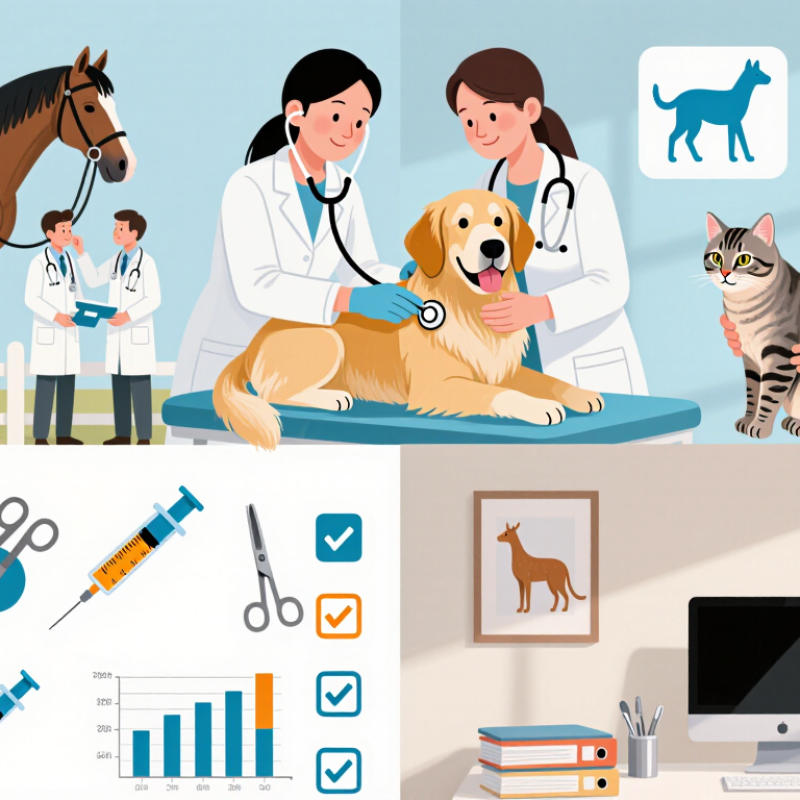
A veterinary doctor is a medical professional who protects the health of animals. Veterinary medicine covers far more than treating sick pets. It includes prevention, diagnosis, surgery, rehabilitation, and animal welfare. A veterinarian may examine a limping dog, monitor a horse’s recovery, or assess a bird’s breathing. Each case requires careful observation, physical examination, and evidence-based decisions.
The scope also reaches public health. Veterinarians help control diseases that can spread between animals and people. They support safe food production, inspect animal populations, and advise farmers on hygiene and disease prevention. Some work with wildlife, laboratory animals, or aquatic species. Their tools may include blood tests, imaging, vaccination plans, and detailed medical records. Good communication matters too. Owners need clear explanations about risks, treatment choices, costs, and daily care.
Veterinary work is not always predictable. A familiar symptom can have several causes, and a test may not provide a complete answer. A responsible veterinarian explains uncertainty instead of promising an easy result. Treatment plans can also change when an animal reacts poorly or fails to improve. This field demands scientific knowledge, practical skill, ethical judgment, and patience. It also requires respect for the animal’s comfort, the owner’s concerns, and the limits of available evidence. Mistakes can happen. Careful review and honest reflection help improve future decisions.
Education, Training, and Licensing Requirements
What Is a Veterinary Doctor and What Do They Do?
A veterinary doctor, or veterinarian, diagnoses and treats animals. Their patients may include household pets, farm animals, wildlife, or laboratory species. Education usually begins with strong preparation in biology, chemistry, physics, and mathematics. Admission can be competitive, so practical animal experience is valuable. Volunteering at a clinic can reveal the work’s emotional and physical demands.
Veterinary programs commonly combine classroom study with laboratory work and supervised clinical rotations. Students learn anatomy, pharmacology, surgery, infectious diseases, nutrition, and animal welfare. Clinical training may involve examining a nervous dog, supporting a difficult birth, or reading diagnostic images. After graduation, candidates usually must pass a professional licensing examination. Exact requirements differ by country, state, or province. Some regions also require a local law examination, supervised practice, or registration with an official veterinary authority. Requirements can change, so applicants should verify current rules directly with that authority. The path is demanding. No curriculum feels perfect.
Tips: Keep detailed records of education, placements, and examination results. Ask licensed veterinarians about daily responsibilities, not only memorable cases. Build communication skills because owners need clear explanations during stressful decisions. Continuing education is often required after licensing. Regulations may also vary between clinical fields. A careful applicant checks every deadline twice. That small habit matters.
Animals and Health Conditions Veterinarians Treat
What Is a Veterinary Doctor and What Do They Do?
Veterinarians protect animal health across homes, farms, laboratories, and wildlife settings. The U.S. Bureau of Labor Statistics reports that veterinarians diagnose and treat injuries, diseases, and disorders in animals. Their patients may include dogs, cats, horses, cattle, birds, reptiles, and small mammals. Each species presents different risks. A rabbit’s dental disease can become life-threatening quickly, while a dog may need treatment for allergies, arthritis, diabetes, or heart disease.
Common veterinary cases include infections, intestinal parasites, skin conditions, dental problems, broken bones, reproductive disorders, and cancer. Veterinarians use physical examinations, blood tests, imaging, and laboratory analysis to identify these conditions. The American Veterinary Medical Association’s U.S. Pet Ownership and Demographics Sourcebook shows that tens of millions of American households care for dogs and cats. That scale creates a large need for preventive visits, vaccinations, nutrition guidance, and early screening. Prevention matters.
Farm and public-health veterinarians treat livestock, monitor disease outbreaks, and support food safety. The World Organisation for Animal Health emphasizes that animal health connects closely with human and environmental health. Zoonotic diseases can cross between animals and people, so careful diagnosis and reporting remain essential. Still, not every case has a neat answer. Symptoms can overlap, test results can be unclear, and treatment choices may require patience, reassessment, and honest communication with the animal’s caregiver.
What Veterinarians Treat: Common Companion-Animal Health Conditions
Veterinarians diagnose, prevent, and treat diseases, injuries, nutritional problems, and age-related conditions in animals.
The figures show reported estimates for selected conditions in companion animals. Periodontal disease affects about 80% of dogs over three years old, while overweight or obesity has been estimated in approximately 59.3% of dogs and 61% of cats in the United States. Actual prevalence varies by age, breed, diet, lifestyle, and access to veterinary care.
Diagnostic, Preventive, and Treatment Services
What Is a Veterinary Doctor and What Do They Do?
A veterinary doctor cares for animals through diagnostic, preventive, and treatment services. Their work may begin with a quiet observation: a dog drinking more water or a cat hiding under furniture. During an examination, the veterinarian checks the eyes, ears, skin, teeth, heart, breathing, movement, and body condition. They also ask about appetite, behavior, housing, diet, and recent changes. Blood tests, urine analysis, imaging, or laboratory samples may reveal hidden problems. No single test tells the whole story.
Treatment depends on the animal’s condition, age, and daily needs. It may include medication, wound care, surgery, dental treatment, or supportive care. Preventive services include vaccinations, parasite control, nutrition guidance, weight monitoring, and regular wellness visits. A responsible veterinarian explains possible benefits, risks, follow-up needs, and costs in clear language. Care should fit the animal, not a fixed formula. Small details can change a diagnosis.
Tips: Record changes in eating, drinking, sleep, stool, and behavior. Bring previous medical records when possible. Seek professional advice before giving any human medicine. Even careful owners may miss early warning signs. A short video of unusual movement or breathing can help during an appointment. Ask questions, even if they seem obvious. Clear questions matter.